Work light led rechargeable options solve a simple problem: you need reliable, bright light where outlets are scarce, cords get in the way, and a phone flashlight stops being funny after minute two.
If you shop these lights casually, it’s easy to overpay for “more lumens” you can’t actually use, or pick a battery setup that dies mid-task. The good news is you can narrow the field fast once you match the light to your real use case: quick inspections, long jobsite shifts, camping and roadside emergencies, or detailed bench work.
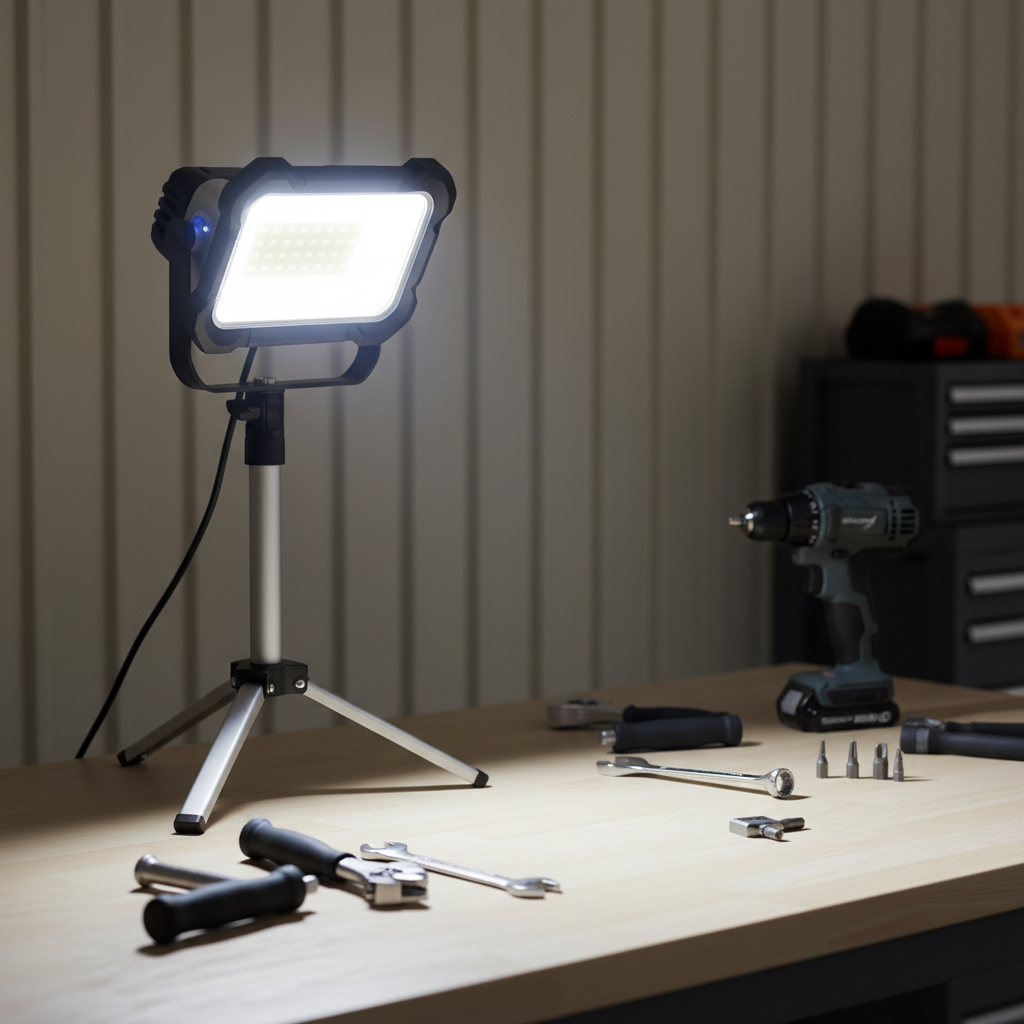
Below is a practical buying guide, the kind you’d want before a last-minute hardware run, plus a quick checklist to confirm you’re not missing a dealbreaker like charging speed or beam control.
What usually makes rechargeable LED work lights “worth it”
Most people aren’t chasing the absolute brightest light, they want consistent output, decent run time, and a housing that survives real work. That’s the baseline.
- Convenience without cords: fewer trip hazards, easier positioning under a car, in an attic, or on a ladder.
- Instant light, less heat: LEDs run cooler than many older work-light styles, which can matter in tight spaces.
- Versatility: many models switch between flood (area light) and spot (distance), or add a low mode for longer run time.
- Lower ongoing cost: you’re not constantly buying disposables, though batteries do age.
According to OSHA... not every lighting decision is “just a preference.” Cords, visibility, and clutter can contribute to trips and missed hazards, so lighting that stays put and stays on can reduce avoidable mistakes. You still need to use proper task lighting for the job, of course.
Key specs that actually matter (and the ones that confuse people)
Spec sheets can look impressive while hiding the information you really need. Here’s the short list I’d prioritize when comparing a work light led rechargeable model.
Lumens vs. usable light
Lumens measure total light output, but beam shape decides whether that output helps you. A tight spot beam can look “bright” in the center and still leave your work area dark.
- Flood beam: better for rooms, garages, crawl spaces, jobsite areas.
- Spot beam: better for inspections, distance viewing, outdoor use.
- Adjustable head / pivot: often more valuable than adding 500 lumens.
Run time claims (read them like marketing)
Run time is usually quoted on low mode. If you need high output for detail work, assume you’ll get less time than the box suggests. Look for lights that publish run times by mode, not one vague number.
Battery type and replacement reality
Most rechargeable work lights use lithium-ion packs or integrated cells. Integrated batteries keep things compact, but replacement can be painful if the cell degrades. Tool-brand battery compatibility can be a big advantage if you already own that platform.
Charging port and charging speed
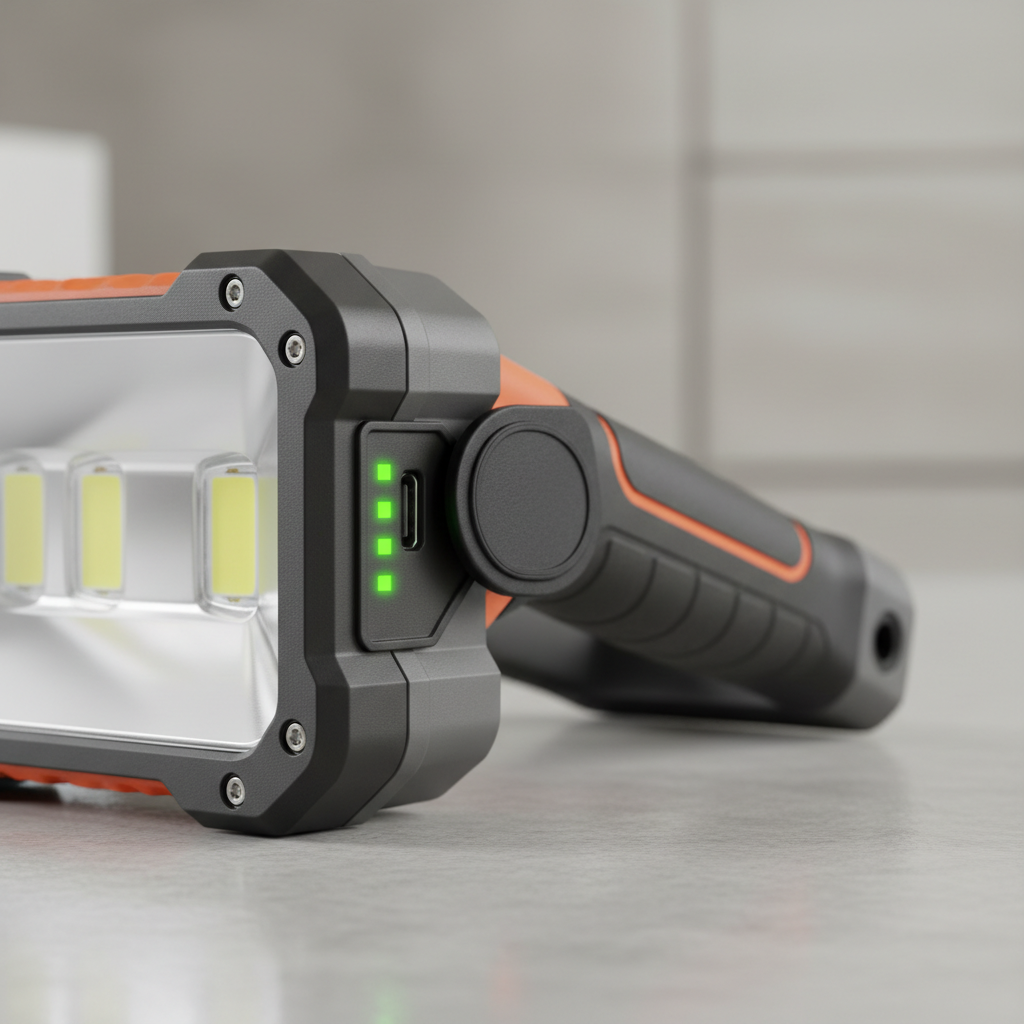
USB-C generally makes life easier, especially if you already carry USB-C for phones and tools. Also check whether the light can run while charging, that feature matters during long tasks.
Durability and weather resistance
IP ratings can help you compare water and dust resistance, but not every brand lists them consistently. Practically speaking, prioritize solid seals, a stable base, and protected ports.
Quick self-check: which type of rechargeable work light fits you?
This is the fastest way to avoid buying the wrong format. Pick the row that matches your main use most days.
| Use case | Light style that usually works | What to prioritize | Common mistake |
|---|---|---|---|
| Auto repair, under-hood, undercar | Magnetic/pivoting bar light or compact flood | Strong magnet, slim head, glare control | Buying a big flood that can’t fit |
| Jobsite room lighting | Area flood with stand or tripod mount | Wide beam, stable base, long run time | Chasing maximum lumens only |
| Home DIY and garage | Adjustable flood + hook/stand | Easy aiming, medium brightness, quick charge | Ignoring mounting options |
| Camping / emergency kit | Lantern-style or compact multi-mode | Low mode runtime, SOS/flash optional, USB-C | Choosing a heavy pro light |
| Inspection / distance spotting | Spot beam handheld | Throw distance, grip, battery swap | Buying flood-only lighting |
How to choose in 10 minutes (a practical shopping process)
If you’re standing in an aisle or scrolling listings, this sequence keeps you from getting pulled into spec noise.
- Decide flood vs. spot first, or pick a dual-mode light if you truly do both.
- Set a run-time minimum on your real mode: if you need high output for two hours, don’t buy a light that only hits that on low.
- Check mounting: magnet, hook, clamp, stand, tripod thread. This decides whether the light becomes “hands-free.”
- Confirm charging fit: USB-C vs. proprietary dock, and whether a wall adapter is included.
- Look for battery indicator clarity: a simple 4-LED gauge beats a mystery blink pattern.
- Scan for heat management: high-output LEDs can throttle down if the housing can’t shed heat.
Key takeaway: a “good” rechargeable work light is the one you can position quickly and trust for your full task, not the one with the loudest brightness number.
Setup tips that make the light feel twice as useful
Even a solid work light led rechargeable model can feel disappointing if placement creates glare or shadows. A couple small habits fix most complaints.
Use cross-lighting to reduce shadows
If you’re doing hands-on repair, one light straight on often casts harsh shadows behind your hands. Two smaller lights from different angles can beat one huge flood.
Aim the beam, not the housing
Pivot heads and rotating handles exist for a reason. Aim for indirect illumination when possible, especially on glossy surfaces where glare hides detail.
Plan charging like a tool routine
Rechargeables “fail” mainly because they weren’t topped up. Set a simple cadence: charge after use, keep a cable in the truck, and don’t store the light dead for weeks.
Safety, durability, and common mistakes to avoid
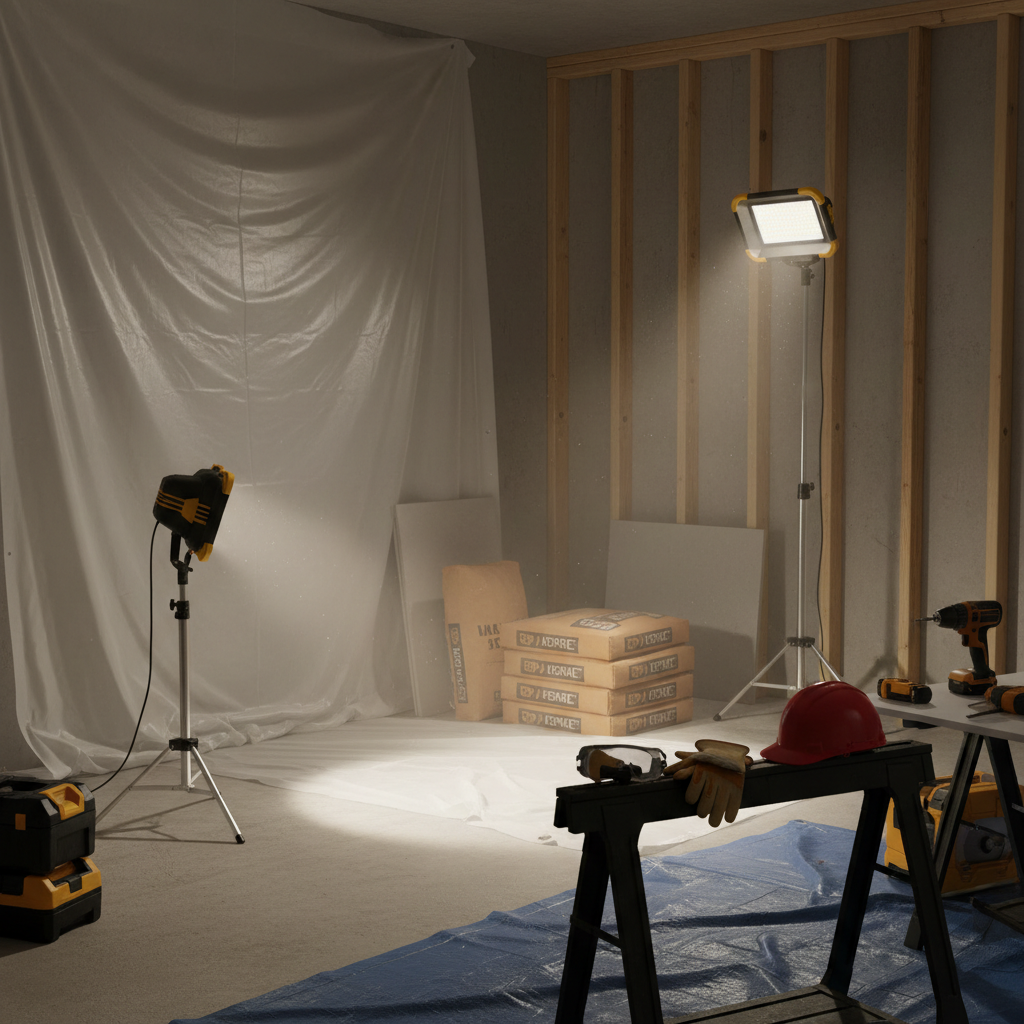
Work lights look simple, but the environment is what makes them tricky: dust, moisture, impacts, and sometimes flammables. If your situation involves unusual hazards, it’s smart to ask a safety lead or qualified professional.
- Don’t ignore stability: top-heavy lights tip, then lenses crack, then you stop trusting them.
- Keep ports sealed: open charging covers in dusty areas shorten lifespan fast.
- Avoid aiming directly at eye level: high-lumen LEDs can cause discomfort and temporary glare, especially in enclosed rooms.
- Be careful around flammables: most consumer work lights aren’t designed for hazardous locations; if you work around fuel vapors or explosive dust, consult site rules and appropriate-rated equipment.
- Don’t assume “water resistant” means “hose it off”: IP ratings, when provided, have limits and vary by exposure type.
According to NFPA... electrical safety practices and using equipment appropriate to the environment matter, especially where heat, damage, or improper charging could create risk. If you’re unsure about a jobsite requirement, checking the relevant code guidance is a better move than guessing.
When it makes sense to step up to pro-grade (or get expert input)
Plenty of homeowners and weekend DIY users do fine with mid-range lights. The step-up is worth considering when downtime costs money or conditions are rough.
- You need all-shift run time and can’t pause to recharge.
- Your work involves heavy dust, rain, or frequent drops, and cheap housings keep failing.
- You must match a jobsite battery platform so packs stay interchangeable.
- You’re working in an environment with special safety requirements; in that case, consult a qualified safety professional and follow site standards.
Most buying regret comes from underestimating mounting and run time. If you’re torn between two lights, I’d usually pick the one that mounts better and publishes clearer run-time info, even if max lumens are lower.
Conclusion: a simple way to buy the right light
A work light led rechargeable purchase goes smoothly when you decide the beam type and mounting first, then pick the battery and charging setup that fits your routine. If you do that, specs start to make sense, and the “too bright but still annoying” problem mostly disappears.
If you want a clean next step, list your top two tasks, set a minimum run time for the mode you’ll actually use, then only compare lights that meet those needs. You’ll end up with fewer options, and a better pick.
FAQ
- How many lumens do I need for a rechargeable LED work light?
For close-up tasks, moderate lumens with a wide flood often feels brighter than a higher-lumen spot. For lighting a whole room or jobsite area, you’ll typically want higher output and a true flood pattern. - Is USB-C better than a proprietary charger?
Usually yes for convenience, especially if you share chargers across devices. Proprietary docks can be fine if they charge faster or fit a tool ecosystem you already use. - Can I use a work light while it’s charging?
Some models support pass-through power, others reduce brightness or won’t run at all. If you need uninterrupted light, confirm this feature before buying. - Why does my light get dimmer even though the battery isn’t empty?
Many lights step down output to manage heat or extend run time. It’s not always a defect, but it can be frustrating if the brand doesn’t state how brightness is regulated. - What’s better: integrated battery or removable battery packs?
Integrated batteries keep size and cost down. Removable packs are easier to swap during long work and can be more practical if you already own compatible tool batteries. - Are rechargeable work lights safe to use in the rain?
Some handle splashes, some don’t. If an IP rating is provided, use it as guidance, and keep charging ports sealed. For sustained wet exposure, consider a model designed for harsher conditions. - How do I store a rechargeable work light to make the battery last longer?
Avoid storing it fully dead for long periods, and keep it in moderate temperatures. If the manufacturer provides storage guidance, follow that over generic advice.
If you’re trying to choose between a few similar models, it can help to write down where you’ll mount it, how long you need it to stay bright, and how you’ll charge it in real life, that quick reality check usually makes the right option obvious.