Headlamp with red light mode is one of those features you don’t miss until you’re trying to read a map at midnight, avoid waking your tent mate, or keep bugs from swarming your face. The problem is that a lot of “red modes” are an afterthought, too dim to be useful or awkward to access when you actually need it.
This guide focuses on what matters in real use, how red light behaves compared to white, and how to pick a headlamp that won’t frustrate you in the field. I’ll also call out a few common buying traps, because specs on a product page rarely tell the whole story.
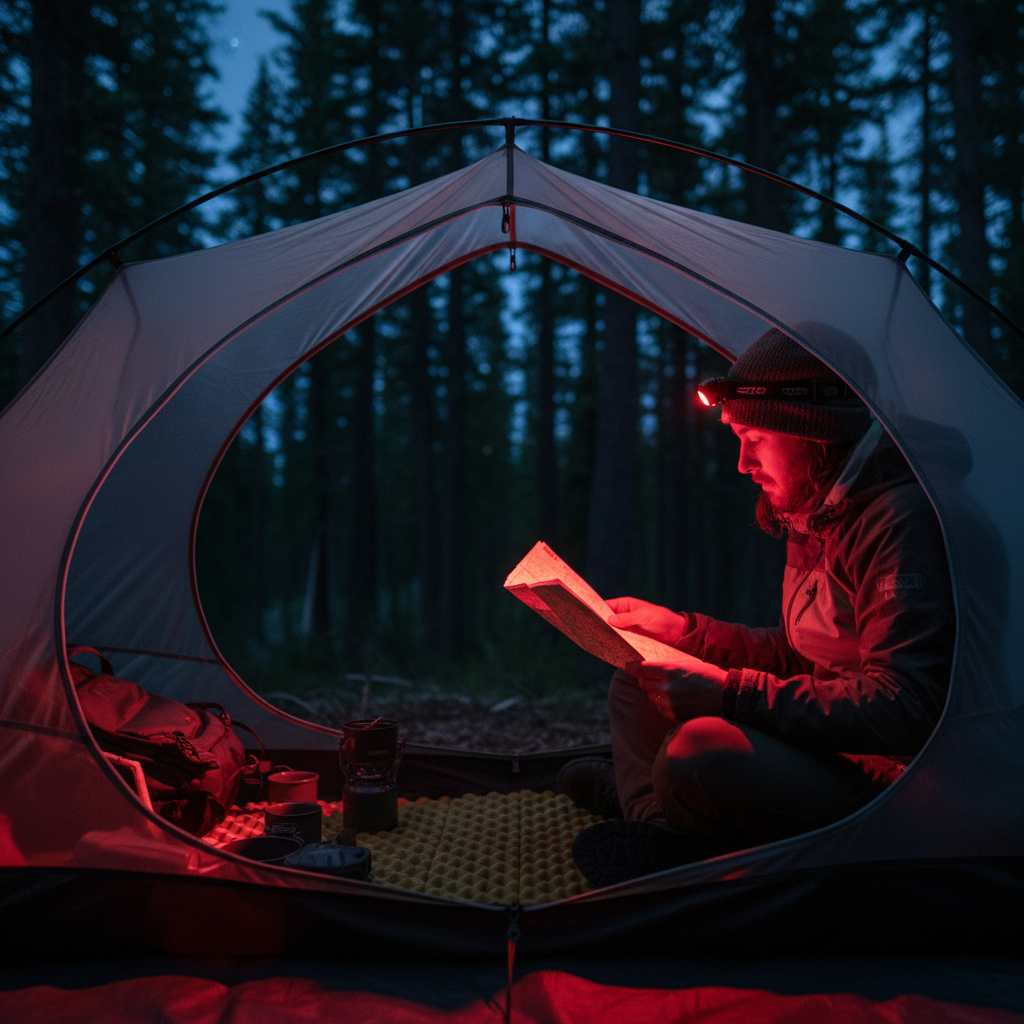
If you’re here because you want better night vision, fewer accidental “laser beam to the eyes” moments, or a more comfortable camp routine, you’re in the right place. You’ll get a quick self-check, a comparison table, and a practical setup checklist.
Why red light mode matters (and when it doesn’t)
Red light isn’t magic, it’s just a different tradeoff. In many situations it feels gentler, less disruptive, and less likely to ruin the mood of a dark environment.
- Night-adapted comfort: Red often feels less harsh when your eyes adjusted to darkness, so quick tasks can feel easier.
- Lower disturbance: It’s commonly used for reading, tent chores, stargazing meetups, and shared cabins.
- Discretion: Red is less noticeable at a distance in a lot of outdoor settings, though it’s not “invisible.”
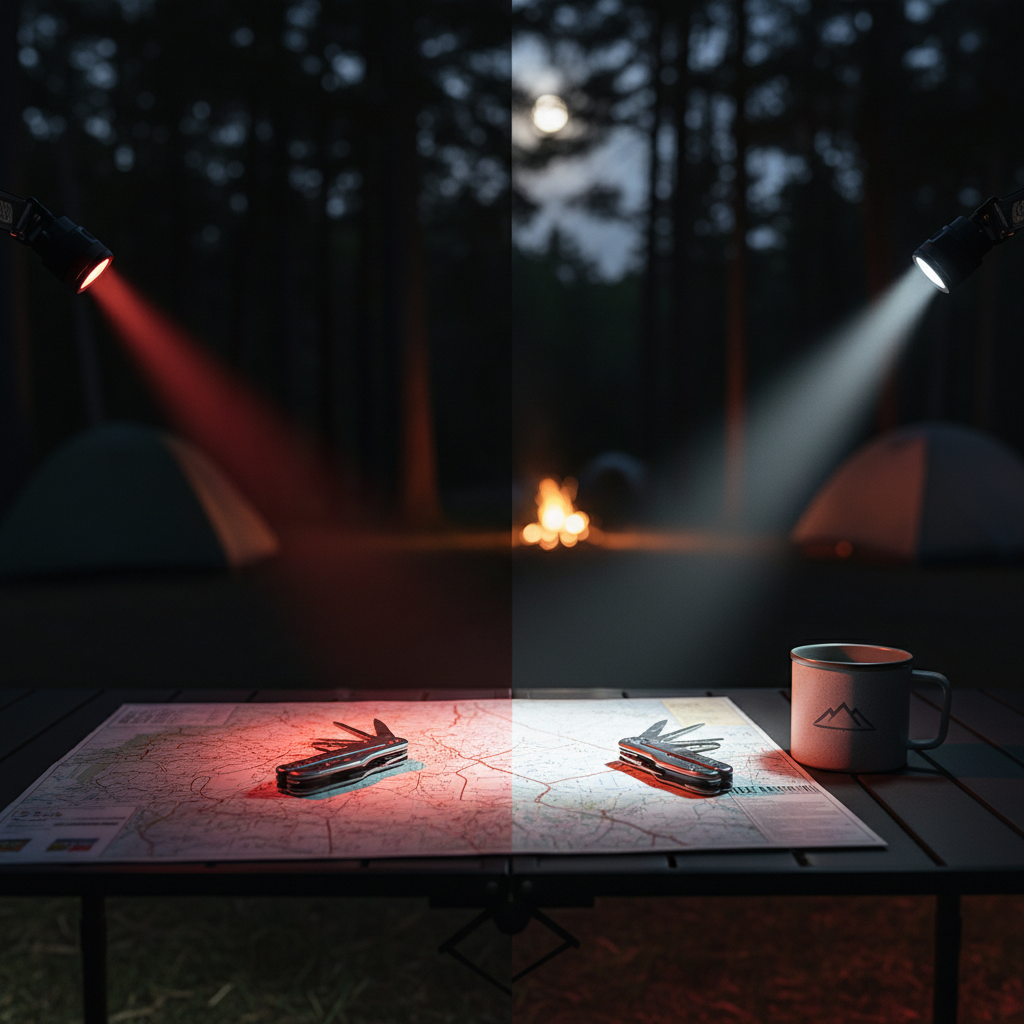
But there are times red light is simply the wrong tool. Many people discover this the hard way: red can make it tougher to see terrain detail, judge distances, or spot trail hazards. For hiking on uneven ground, most users still prefer a controlled white beam.
According to International Dark-Sky Association, minimizing bright, blue-rich light at night helps reduce glare and preserves dark adaptation, which is why softer, warmer options are often recommended for night use.
Red mode vs. white mode: quick comparison
If you’re deciding whether a headlamp with red light mode fits your activities, this table is a fast way to separate “nice to have” from “I’ll actually use it every trip.”
| Use case | Red light | White light | What to prioritize |
|---|---|---|---|
| Inside tent / cabin | Great for low-disturbance tasks | Often too bright up close | Low mode, easy access, wide flood |
| Map reading | Okay if bright enough | Best for clarity | Stable beam, no flicker, medium-low output |
| Night hiking | Usually not enough detail | Preferred for safety | Good optics, hotspot + spill balance |
| Stargazing | Often preferred | Can wreck dark adaptation fast | True low red, lockout, no surprise turbo |
| Running | Limited value for path visibility | Primary mode | Secure fit, bounce control, quick dimming |
| Work/repairs | Only for temporary low light | Primary mode | Color accuracy, runtime, durability |
How to tell if your “red mode” is actually usable
Some red modes are so dim they’re basically a novelty, others are bright enough to read and pack comfortably. Before you buy, look for these practical signals in the description, photos, or reviews.
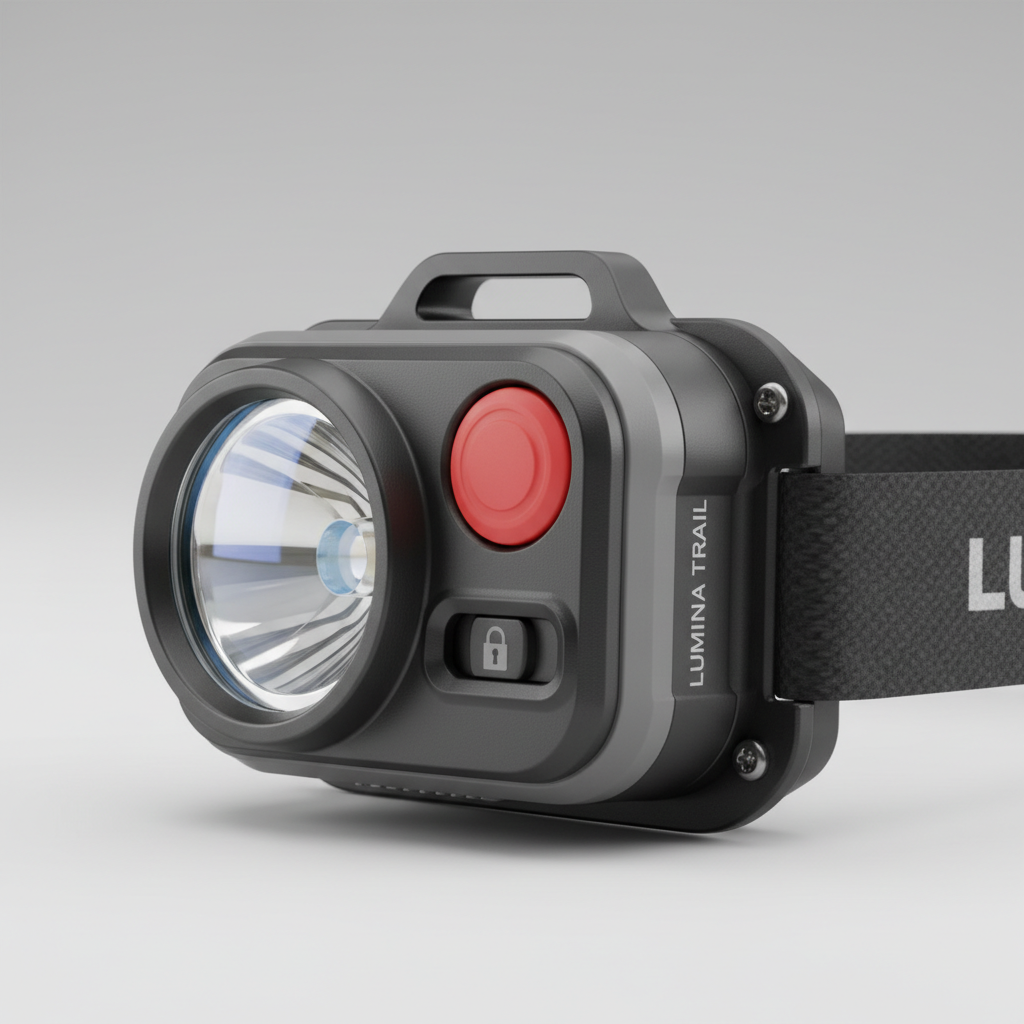
- Direct access: A dedicated red button, or a shortcut that doesn’t force you through 5 white brightness steps.
- True low red: A very low setting that won’t blast your eyes in a dark tent.
- Red brightness range: At least two red levels is more useful than a single “red on/off.”
- Mode memory behavior: If it always turns on in high white, you’ll eventually annoy someone (maybe yourself).
- Lockout: Prevents accidental activation in a pack, which is surprisingly common.
If you can’t find any mention of how to enter red mode quickly, assume it’s buried. That’s fine for occasional use, but it’s frustrating if red is your main reason for buying.
Self-check: which type of buyer are you?
Answer quickly, no overthinking. Your “yes” pattern points to the features you should pay for, and the ones you can skip.
- Mostly camping: You often cook, organize gear, or read in/around a tent after dark.
- Shared spaces: You camp with family or groups and want less glare and fewer wake-ups.
- Night sky hobby: You attend meteor showers, use a telescope, or do night photography setups.
- Trail first: You hike or run in the dark and need dependable white light, red is secondary.
- Work/utility: You need ruggedness, stable output, and battery flexibility more than “camp comfort.”
If you’re in the first three buckets, a headlamp with red light mode moves from “nice” to “worth filtering for.” If you’re trail-first or work-first, it’s still helpful, but don’t sacrifice beam quality or runtime just to get red.
What to look for when choosing a headlamp with red light mode
Specs can be useful, but they’re easy to misread. Here are the features that usually show up in real satisfaction, not just marketing bullets.
Beam pattern and optics
For close tasks, you want a smooth flood. For moving on trail, you want a defined hotspot plus usable spill. If you can only choose one, many people do better with an adjustable angle head and a beam that isn’t overly narrow.
- Flood (wide): Better in tents, campsites, and chores.
- Spot (narrow): Better for distance, but can cause tunnel vision up close.
Controls that won’t betray you
This is the unsexy part that makes or breaks the product. Look for glove-friendly buttons, predictable clicks, and a way to avoid accidental max output.
- Red shortcut or dedicated switch
- Instant low / moonlight (white or red)
- Lock mode for pack carry
Battery and charging choices
Rechargeable is convenient, replaceable batteries are reassuring. In the U.S., many outdoor users like having both options, especially for longer trips or winter.
- Built-in rechargeable: easy, fewer consumables, but you’re tied to charging access.
- Replaceable AAA/AA: easy to swap, good for emergencies, but ongoing cost and waste.
- Hybrid designs: can be a sweet spot for car camping or preparedness kits.
Comfort, stability, and weather resistance
Fit matters more than people expect. A bouncy headlamp makes you crank brightness higher just to compensate, which undercuts the whole point of having a gentle red option.
- Wide, soft strap and decent tilt friction
- Balanced weight, especially for running
- Water resistance suitable for your use (rain happens)
Practical setup: how to use red mode without compromising safety
Headlamp with red light mode works best when you treat it as part of a routine, not a gimmick you remember at 1 a.m. Here’s a setup that tends to stick.
Before your trip
- Learn the button sequence in daylight, then test it once in a dark room.
- Enable lockout if your model supports it, pack carry can drain batteries fast.
- Set a “default” habit: red for camp tasks, white for walking, and switch back before you stop.
At camp
- Use the lowest red setting for organizing gear, then bump up only when needed.
- Aim the lamp downward, it reduces glare for you and everyone nearby.
- If you need color accuracy (food prep, first aid items), switch briefly to low white.
On the move
- Don’t rely on red light for uneven terrain, especially around roots, rocks, or water crossings.
- Keep white light ready on a low-medium setting, and save turbo for true navigation moments.
According to National Park Service, bringing a reliable light source is a basic safety practice for after-dark recreation, and it’s wise to carry a backup or spare power option depending on trip length.
Common mistakes (that waste money fast)
- Buying for max lumens: For most users, a stable low mode and comfortable strap matter more.
- Ignoring UI: A complicated interface makes red mode unused, even if it’s technically included.
- Assuming red is always “better”: It’s gentler, but not automatically safer for movement.
- Skipping a test run: Many returns come from “I can’t figure out the buttons,” not defects.
If you’re buying online, prioritize listings that show a clear control diagram, runtime chart, and mode access description. Those details usually signal a more serious product.
When to ask for expert help or use extra caution
If you’re choosing a headlamp for search-and-rescue training, technical climbing, or any jobsite compliance requirement, it’s worth consulting your team lead, safety officer, or a qualified professional. The right choice can depend on policies, minimum illumination requirements, and environment-specific hazards.
Also, if you have vision concerns or you’re using a headlamp for medical caregiving tasks at night, red light may not provide enough clarity. In those cases, a low white mode with careful aiming often works better, and you can ask a healthcare professional for guidance if safety is a concern.
Conclusion: what to buy, and what to ignore
A headlamp with red light mode is most valuable when red is easy to access, truly low when you want it, and backed by solid white-light performance for walking and safety. If you remember only two things, make it these: prioritize controls you can operate half-asleep, and don’t trade away beam quality just to get a red LED.
If you’re shopping today, skim the product UI description, confirm lockout or a safe default, then match battery style to your trip type. That small homework step usually prevents buyer’s remorse.
FAQ
Is a headlamp with red light mode better for night vision?
In many situations it can feel easier on your eyes in the dark, especially for short, close tasks. But for moving on rough ground, white light usually gives better detail and contrast.
How bright should red mode be for camping?
Ideally you get a very low red for tent use and at least one higher red for reading or packing. If the listing never mentions red brightness levels, it may be too limited for daily camp chores.
Does red light attract fewer bugs than white light?
Often it helps, but it’s not a guarantee. Insect behavior varies by region and season, and brightness still matters, a bright red light can still draw attention.
Should I use red light while hiking at night?
For most people, not as a primary beam. Red can reduce your ability to spot texture and hazards, so it’s better as a camp or “don’t disturb others” mode, not your main navigation light.
What matters more: lumens or runtime?
Runtime at usable brightness tends to matter more. A headlamp that holds a steady medium output can be more practical than a model that hits a huge peak but drops quickly.
How do I avoid turning on turbo and blinding everyone?
Look for a model with a dedicated red button, a moonlight shortcut, or a setting that starts low. Lockout also helps, because accidental activation in a pack can mess with modes and battery.
Are rechargeable headlamps okay for cold weather?
They can be, but batteries often perform worse in low temperatures. For winter trips, many people prefer options that allow swapping cells or carrying a backup power source.
If you’re trying to narrow down choices and want a more “no surprises” pick, start by listing your top two scenarios, like tent use plus stargazing, or running plus emergency kit, then choose a headlamp that makes red mode easy and keeps white light reliable.