
Electrical junction box plastic enclosures solve a common headache: you need a clean, safe place to join conductors, but you don’t want corrosion, sharp edges, or a heavy metal box in a damp or outdoor spot. The catch is that not all plastic boxes behave the same once heat, sunlight, and real-world handling show up.
If you’re selecting one for a home project, a piece of equipment, or a light commercial install in the US, the “right” box usually comes down to three things: the environment (water, dust, UV, chemicals), the wiring method (conduit vs cable), and the listing or rating your inspector expects to see. Get those wrong and you risk cracked covers, loose fittings, or a failed inspection.
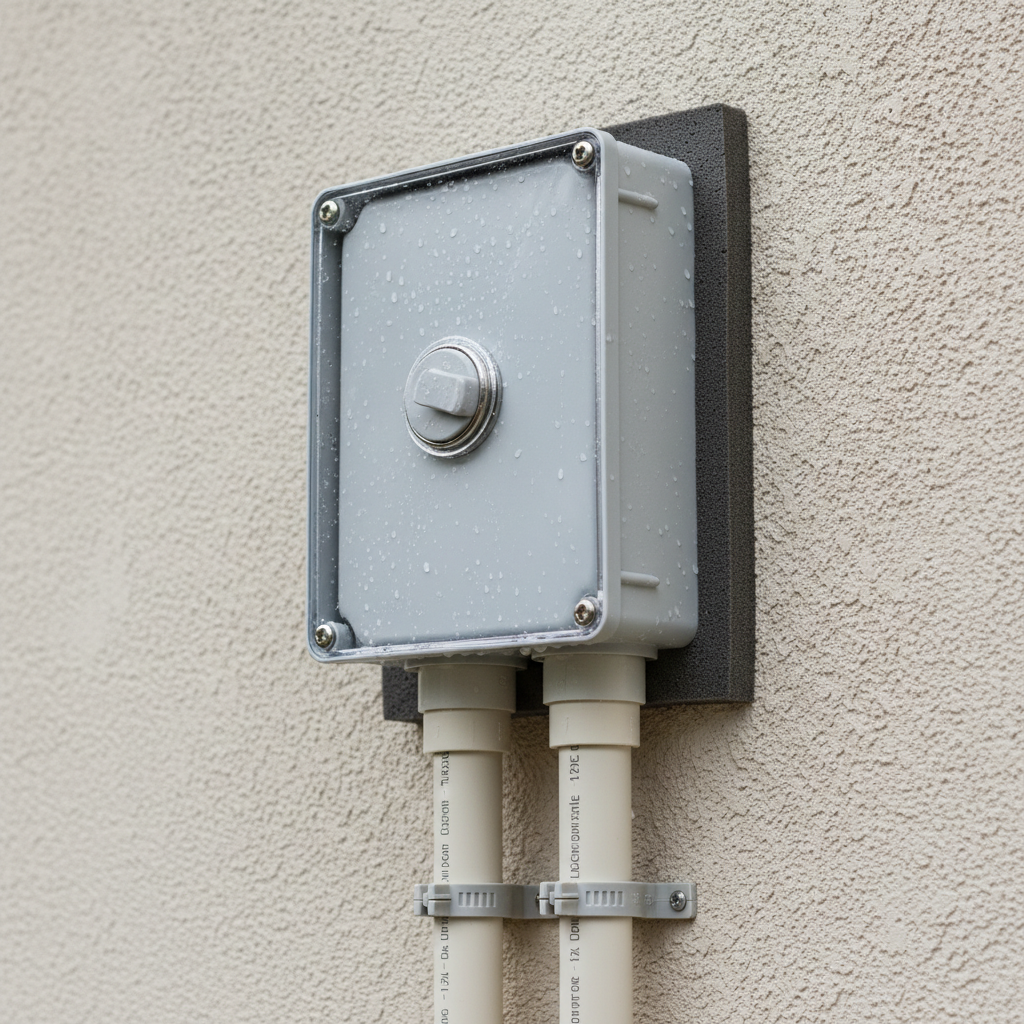
This guide keeps it practical: how to choose a box that matches the space, what “NEMA” really signals, how to avoid the common install mistakes that make plastic boxes leak or deform, and when you should hand it off to a licensed electrician.
Why plastic junction boxes are popular (and when they’re not)
Plastic boxes win in plenty of everyday jobs, especially where moisture or corrosion is the main concern. They also tend to be easier to cut in, drill, or modify for low-voltage add-ons, though modification can affect listing and sealing.
- Corrosion resistance: In coastal air, fertilizer dust, or wet basements, plastic often holds up better than untreated metal.
- Electrical insulation: A non-conductive enclosure can reduce shock risk in certain fault scenarios, but it doesn’t replace proper grounding where required.
- Weight and handling: Easier overhead installs, easier retrofits.
- Outdoor sealing options: Many plastic enclosures pair naturally with gasketed covers and molded hubs.
Where plastic can be a bad fit is heat and impact. Near high-wattage drivers, tightly packed splices, or direct sun in hot climates, some plastics can warp, chalk, or turn brittle. If the job site is rough, a metal box may tolerate abuse better.
Material matters: PVC vs polycarbonate vs fiberglass (quick reality check)
People often say “plastic” like it’s one thing. In practice, the enclosure material changes how it survives UV, cold snaps, chemicals, and knocks.
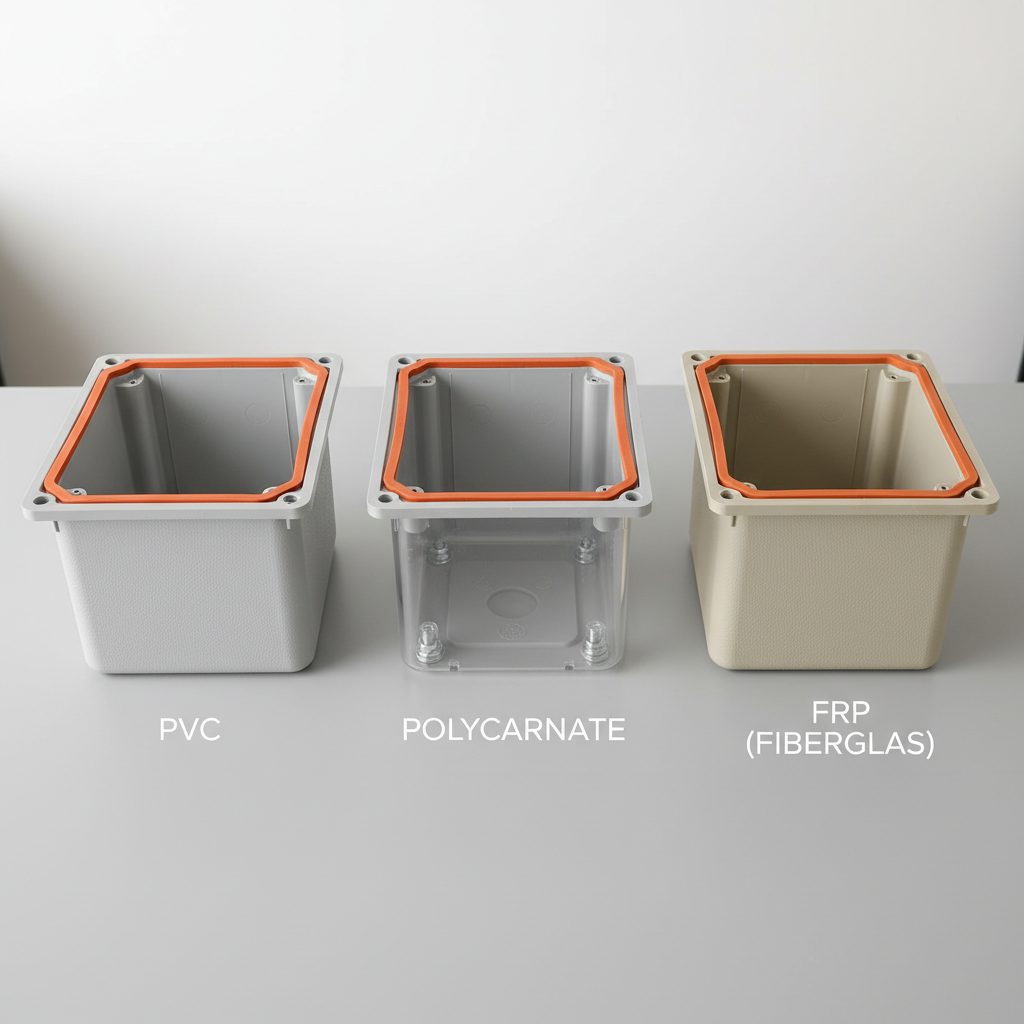
PVC: Common for outdoor conduit bodies and simpler junction boxes. Usually good for moisture and many household chemicals, but UV resistance depends on formulation and color. If it’s in full sun, look for UV-stabilized or a rated outdoor enclosure.
Polycarbonate: Often chosen when you want impact resistance and a cleaner look. Many clear-cover options are polycarbonate. Some versions handle cold impact better than basic PVC, but chemical compatibility varies.
Fiberglass (FRP): Tough in industrial environments, frequently used where corrosion and durability are both high priority. Typically pricier, but it’s the “stop replacing boxes every season” option in many harsh settings.
Key point: Don’t pick by material name alone. Look for a UL listing or equivalent marking on the specific product and match it to the environment you actually have.
Ratings and listings: what to look for in the US
If you want fewer surprises at inspection time, start with markings rather than marketing text.
- UL Listed / UL Classified: Indicates the enclosure was evaluated to a standard for its intended use. The exact marking and category matter, so read the label on the box or the manufacturer spec sheet.
- NEMA type: A shorthand for environmental protection (rain, dust, corrosion, hose-down). According to NEMA, enclosure “Types” indicate the environmental conditions the enclosure is designed to withstand when properly installed.
- Wet location suitability: Outdoor and damp areas often need boxes and fittings identified for wet locations, plus proper sealing.
For everyday projects, you’ll commonly see NEMA 1 (basic indoor), NEMA 3R (rainproof, typical outdoor vertical surfaces), and NEMA 4/4X (water tightness and corrosion resistance, common in wash-down or harsh outdoor jobs). Your local AHJ inspector may be stricter depending on the space.
Reminder: Your local code adoption and amendments can differ. According to NFPA, the National Electrical Code is widely adopted in the US, but local jurisdictions can modify requirements, so it’s smart to confirm what your inspector expects for that location and wiring method.
Choosing the right size: box fill, bends, and “future you”
Picking a small box feels neat until you try to close the cover without pinching insulation. The usual failure mode is overcrowding: too many conductors, too many wirenuts, or splices stuffed behind a device.
Use this as a fast sizing approach before you get deep into box-fill math:
- If you have more than a couple splices, consider stepping up one size.
- If you’re transitioning wiring methods (for example, conduit to cable), leave extra space for fittings and strain relief.
- If you might add a photocell, smart relay, or low-voltage lead later, give yourself room now.
According to NFPA, NEC box-fill rules limit the number of conductors and devices allowed in a box based on volume. If you’re unsure how to calculate it for your conductor gauge and device count, a licensed electrician can confirm quickly and document the choice if needed.
Selection checklist (a quick self-test before you buy)
This is the “stand in the aisle and decide” checklist. If you answer “yes” to any item, it usually narrows the right enclosure fast.
- Outdoor exposure? Look for a gasketed cover and an outdoor-rated enclosure, commonly NEMA 3R or better.
- Direct sun most of the day? Prioritize UV-resistant material and a darker, UV-stabilized housing, or plan a shade/cover.
- Hose-down or heavy splash? Aim for NEMA 4/4X style protection and matching watertight fittings.
- Chemicals, salt air, fertilizers? Consider fiberglass or a corrosion-focused enclosure.
- Conduit entries needed? Choose molded hubs or boxes designed for threaded fittings, not a generic “project box.”
- Need a ground bond point? Plastic boxes don’t provide a conductive path, so grounding depends on your wiring method and devices.
Installation tips that prevent leaks, cracks, and call-backs
A plastic junction box can work great for years, but the install details matter more than people expect.
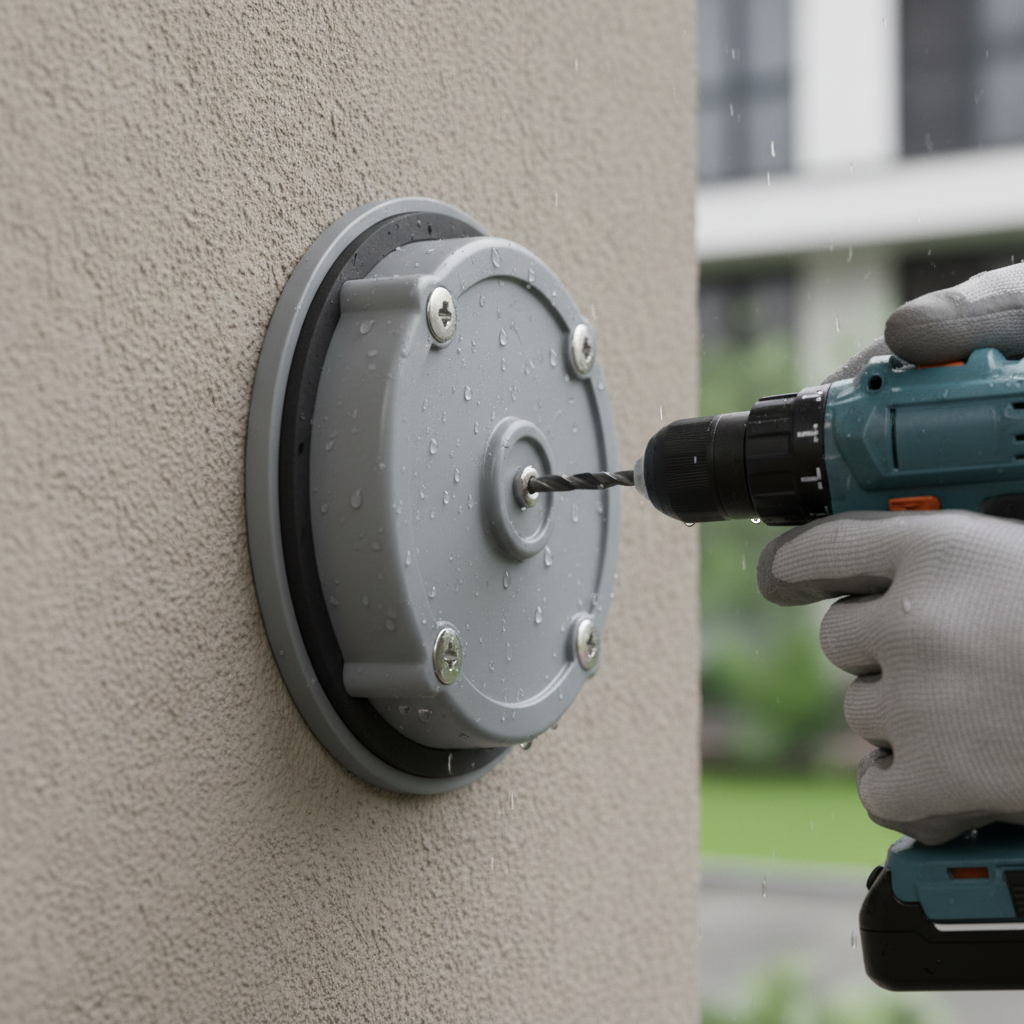
- Use matching fittings: Wet locations need wet-location rated connectors, hubs, or glands. Mixing indoor fittings with an outdoor box is a classic leak path.
- Don’t over-torque: Plastic threads and covers can crack or deform. Tighten evenly, then stop when the gasket compresses as intended.
- Support conduit correctly: Letting conduit “hang” off the box stresses the wall and can cause hairline cracks over time.
- Seal only where appropriate: Some outdoor installs benefit from sealing around entries, but sealing the wrong spots can trap moisture. If you’re unsure, follow manufacturer instructions and local practice.
- Respect temperature: In cold weather, plastic is often less forgiving. Pre-drill carefully, avoid impacts, and don’t force fittings.
Practical note: If your enclosure needs to stay weatherproof, keep the gasket clean. Paint overspray, grit, and warped covers are small issues that turn into water intrusion later.
Common mistakes (and what to do instead)
Most failures aren’t dramatic, they’re small “almost fine” choices that stack up.
- Using a generic project box for line voltage: Use an enclosure intended and listed for electrical splices and the environment.
- Drilling oversized holes: If you must add an entry, use the right hole saw size and a fitting that seals, otherwise water and dust find a way in.
- Ignoring UV exposure: A box that looks great in spring can chalk and crack after long sun exposure if not UV-rated.
- Overstuffing splices: If the cover bulges or you have to “push hard” to close it, step up the box size.
- Assuming plastic means “no grounding needed”: Grounding requirements depend on the circuit and wiring method, not the enclosure material.
Quick comparison table: which plastic box for which scenario?
Use this as a starting point, then confirm the exact product markings and local requirements.
| Scenario | Typical enclosure choice | Why it fits | Watch-outs |
|---|---|---|---|
| Indoor dry wall/utility space | PVC or polycarbonate, basic rating | Easy install, low corrosion concern | Box fill, strain relief for cables |
| Outdoor under eave | Outdoor-rated gasketed box (often NEMA 3R) | Handles rain exposure when mounted correctly | Use wet-rated fittings, avoid top entries |
| Outdoor full weather, splash | Watertight style (often NEMA 4/4X) | Better sealing and corrosion protection | Don’t damage gasket, even screw torque |
| Coastal/chemical exposure | Fiberglass (FRP) enclosure | Durability + corrosion resistance | Cost, verify chemical compatibility |
| High-traffic/impact risk | Impact-resistant polycarbonate or metal | Better survivability from bumps | Check temperature and UV rating |
When to call a professional (it’s not just “big projects”)
If your project touches service equipment, unknown circuits, or anything in a truly wet environment, it’s reasonable to pause. A licensed electrician can confirm box-fill compliance, grounding and bonding, and the correct fittings for your wiring method.
- You see aluminum conductors, damaged insulation, or overheated splices
- The box will be in a wet location with critical loads (pumps, HVAC controls)
- You’re transitioning between conduit and cable and aren’t sure about connectors
- You need to meet a specific NEMA type for an inspector or facility requirement
For safety, if you’re not fully confident identifying circuits, de-energizing properly, and confirming absence of voltage, it’s better to consult a qualified professional.
Key takeaways and next steps
If you remember only a few things: match the enclosure to the environment, buy based on markings (listing and NEMA type), and don’t fight box size. A well-chosen electrical junction box plastic setup can be clean, durable, and inspection-friendly, but only when fittings, sealing, and fill are handled with care.
Next step: write down where the box sits (indoor, damp, outdoor sun, splash), how many conductors enter, and whether you use conduit or cable, then pick an enclosure that clearly states it’s suitable for that situation.
FAQ
Is a plastic junction box allowed outdoors in the US?
Often yes, as long as the specific enclosure is listed for the location and installed with wet-location rated fittings and a suitable cover. Local requirements vary, so check markings and your AHJ guidance.
What NEMA rating should I look for on an outdoor plastic junction box?
Many homeowners land on NEMA 3R for basic rain exposure, while splash or wash-down environments may push you toward NEMA 4/4X. The right choice depends on how much water contact and dust you expect.
Does an electrical junction box plastic enclosure need to be grounded?
The enclosure itself is non-conductive, but grounding and bonding rules still apply to the circuit, devices, and wiring method. If you’re not sure what must be bonded, a licensed electrician can confirm quickly.
Why does my plastic box cover keep warping or not sealing?
Common causes include over-tightening screws, heat buildup from crowded splices, or UV exposure on a non-UV-stabilized box. Up-sizing the box, using a better-rated cover, and tightening evenly usually helps.
Can I drill extra holes in a plastic junction box?
Sometimes, but it can compromise watertight performance and may affect the listing if you go beyond permitted modifications. If it must stay weatherproof, use proper glands or hubs sized to the hole.
PVC vs polycarbonate: which is better for cold weather?
Many polycarbonate enclosures are chosen for impact resistance, including in cooler conditions, but it depends on the specific product. Check the manufacturer specifications and avoid impacts during very cold installs.
How do I know if the box is too small?
If closing the cover requires force, splices feel compressed, or conductors bend sharply right at the entry, it’s usually too tight. Moving up one size often saves time and reduces heat and stress on connections.
If you’re trying to standardize enclosures across a site, or you’re stuck between two ratings and don’t want an inspection surprise, it can help to share your location type, mounting surface, and wiring method with a supplier or electrician who works with these boxes daily, they can steer you toward a listed option that fits without overbuying.