Best keyhole saw for small holes usually means one thing in real life, you want a clean opening in drywall, thin wood, or plastic without the tool skating, tearing paper, or cracking the edge. The tricky part is that “keyhole saw” gets used for a few different tools, so people buy something that feels right in-hand, then hate the cut.
This guide narrows it down by material and hole size, then gives you a quick checklist for choosing a saw that starts easily, turns tight radiuses, and stays controllable when you hit a stud, lath, or old paint layers. You will also get a simple decision table, plus practical technique notes that matter more than most spec sheets.
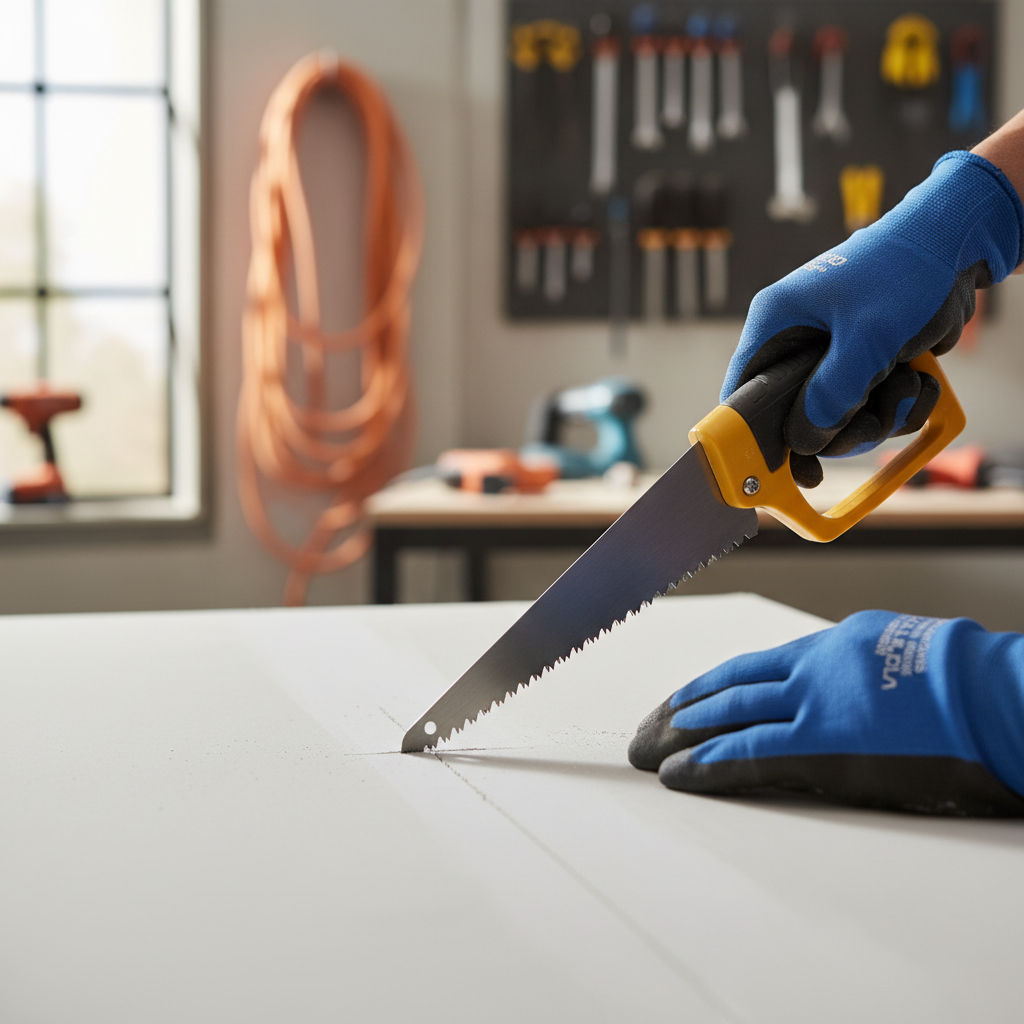
If you are here because you already tried a jab saw and the hole looks furry or chipped, that is common, and it is usually not “bad technique” alone. Blade geometry, tooth pattern, and stiffness make a bigger difference on small openings than on long straight cuts, and that is what we focus on.
What counts as a “keyhole saw” for small holes (and why it matters)
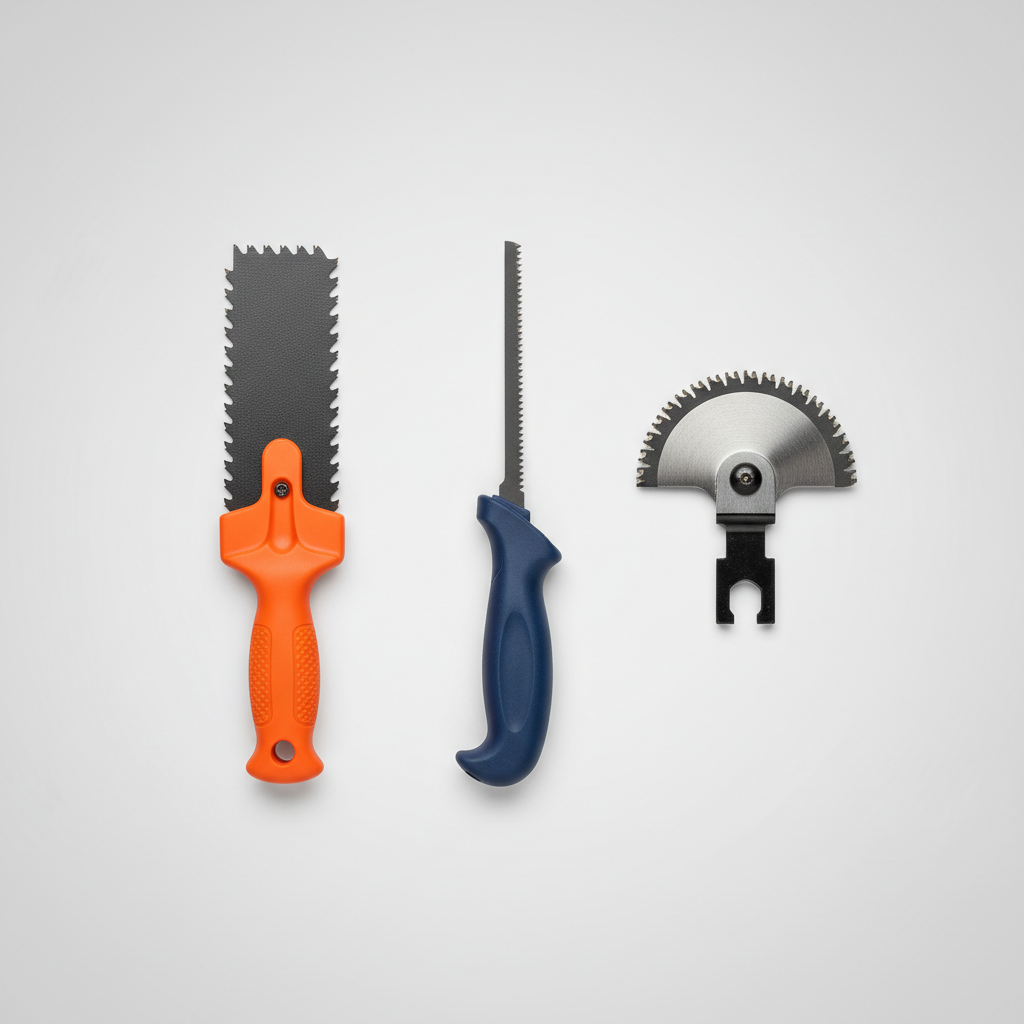
In U.S. tool aisles, “keyhole saw” often refers to a manual jab saw with a pointed tip, but some brands also label narrow compass/keyhole saws for wood, and people mix in oscillating multi-tool plunge blades because they solve a similar problem.
- Jab saw (drywall saw): aggressive teeth, easy to plunge, great for drywall, risky on thin veneers.
- Keyhole/compass saw (fine-tooth): thinner, finer teeth, better for small wood holes and tight curves, slower start.
- Oscillating multi-tool blade: not a hand saw, but often the cleanest small cut in brittle materials, with less tear-out when used carefully.
So when you search for the best keyhole saw for small holes, you are really choosing between “fast plunge” and “clean edge.” The right pick depends on what you are cutting, not the label on the rack.
Quick comparison table: choose by material and hole size
Use this table to get close fast, then fine-tune in the next sections.
| Material | Typical small-hole tasks | What works best | Why |
|---|---|---|---|
| Drywall (1/2 in.) | Outlet cutouts, access holes | Jab saw with medium-coarse teeth | Plunges easily, turns corners without a drill start |
| Plaster/lath | Old-home access openings | Oscillating blade or carbide grit | Less shock, fewer cracks, controlled plunge |
| Thin wood (1/4–3/4 in.) | Keyholes, cable pass-through | Fine-tooth keyhole/compass saw | Cleaner edge, less splintering on small radiuses |
| Plywood/veneered panels | Speaker cutouts, small openings | Fine-tooth + tape + drill starter hole | Reduces tear-out where it shows |
| Plastic (PVC, ABS) | Electrical boxes, trim notches | Fine-tooth (or multi-tool) | Coarse teeth can chip and grab |
One more reality check, even the best tool will struggle if the hole is truly tiny. For anything under about 1/2 inch, a step bit, hole saw, or spade bit often gives a cleaner result than any hand saw.
What actually makes the best keyhole saw for small holes
Small holes punish sloppy design. You need a blade that starts predictably and does not wander when you try to turn. Here is what tends to matter most.
Blade thickness and stiffness
A very thin blade turns tighter, but it also flexes, and flexing is what creates “mystery wobble” and oversized openings. For drywall, moderate stiffness is your friend. For tight curves in thin wood, a thinner profile can be worth it.
Tooth pattern and tooth count (TPI)
- Coarser teeth cut fast in drywall, but they can tear paper and leave a ragged edge if you rush.
- Finer teeth cut cleaner in wood and plastic, and they track better on short strokes.
If the product lists TPI, higher TPI usually means smoother but slower. Many drywall jab saws do not emphasize TPI, they just go aggressive.
Tip design for starting the cut
A sharp, narrow tip helps you plunge without a drill. But on brittle surfaces, that same tip can start a crack. If you are working on plaster, tile backer, or anything fragile, starting with a small drilled pilot hole often pays off.
Handle comfort and control
For small holes, control beats power. Look for a handle that lets you choke up near the blade. A grippy handle is nice, but what you really want is a shape that does not twist under load when the cut gets tight.
A quick self-check: which situation are you in?
Before you buy anything, answer these fast. Your results will point to the right “style” of keyhole saw.
- Is the edge visible? If yes, prioritize fine teeth, tape, and a starter hole.
- Will you cut near wiring or plumbing? If yes, shallow strokes and controlled plunge matter more than speed.
- Is the material brittle? Plaster, aged paneling, some plastics, lean away from aggressive jab saw teeth.
- Are you making curves? If yes, narrower blades turn easier, but do not pick something so thin it buckles.
- Do you need repeated, consistent cutouts? Templates and an oscillating tool may beat hand sawing for repeatability.
According to OSHA, hand and power tools should be used with appropriate personal protective equipment, and eye protection is a common recommendation for cutting tasks where debris may fly. If your cut is overhead or dusty, consider a mask as well, and if you are unsure about hidden utilities, a qualified professional can help you confirm what is behind the surface.
How to cut cleaner small holes (technique beats hype)
This is where most people save their project. The tool matters, but a few habits cut the mess dramatically.
For drywall: clean openings without overcutting
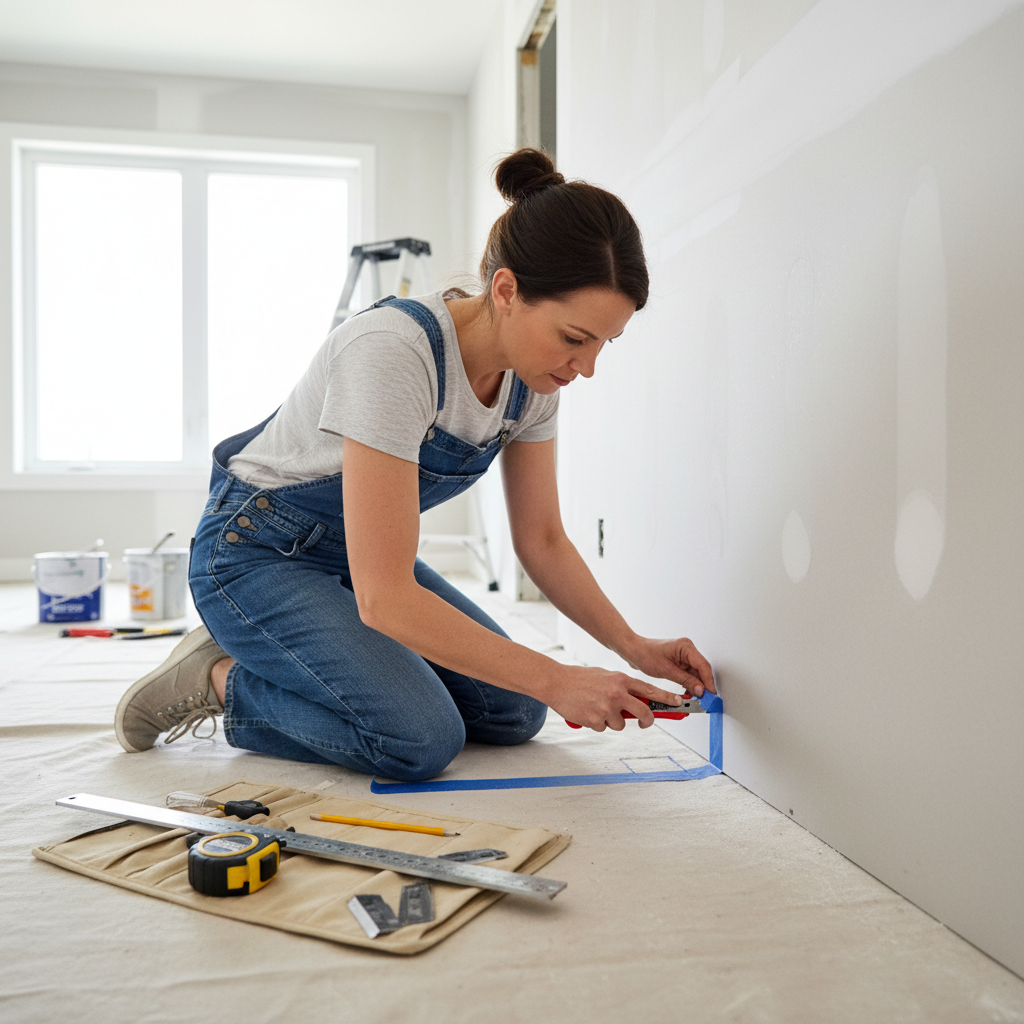
- Score first: lightly score your outline with a utility knife, it reduces paper tear.
- Plunge gently: start the jab saw tip at a slight angle, then level out.
- Short strokes: small holes need short strokes so the blade does not jump past the line.
- Square corners: cut to the corner, stop, reset direction, do not “sweep” the corner.
If you need a super crisp edge for a cover plate, a fine rasp or sanding block cleans fuzz quickly without enlarging the cut much.
For wood or veneered panels: prevent splintering
- Use tape over the cut line, then mark on the tape.
- Drill a starter hole sized for the blade, this avoids forcing the tip through the veneer.
- Cut on the waste side of the line, then sneak up with light strokes.
If the face needs to look perfect, consider cutting from the “good” side with a fine-tooth blade, then finish from the back only if needed. Some plywood behaves the opposite way, so testing on a scrap is not a cop-out, it is the smart five minutes.
Common mistakes that make small holes look worse
- Buying a drywall jab saw for finished wood: it works, but the edge can look chewed.
- Forcing the plunge: aggressive push creates blowout on the back side or cracks in brittle material.
- Long, fast strokes: the blade exits the line before you feel it, then you chase the mistake.
- Skipping layout: small holes magnify layout errors, especially for electrical boxes and pass-through plates.
- Ignoring what is behind the surface: if there is any chance of wiring, plumbing, or ducting, stop and verify.
Also, do not assume “sharper is always better.” A very sharp, very aggressive tooth pattern can be harder to control on tiny cutouts, especially when you need a gentle turn.
When a keyhole saw is not the right tool
If your main goal is a round hole, a saw is often the hard way. In many cases, these tools beat the best keyhole saw for small holes:
- Hole saw: clean circles for pipe pass-throughs, use the right arbor and go slow.
- Step bit: great for thin metal and plastic, and for gradually sizing a small hole.
- Oscillating multi-tool: controlled plunge cuts in drywall, plaster, and trim, especially near edges.
According to CPSC, safe tool use includes reading instructions and using safety gear appropriate for the task. If you are working in older homes where materials may be uncertain, or you suspect asbestos in older wall systems, it is worth pausing and consulting a qualified professional before cutting.
Key takeaways and a practical buying short list
If you want one simple rule, match tooth aggressiveness to the fragility of the surface, then prioritize control for small openings.
- Drywall cutouts: pick a jab saw that feels stable, use short strokes, and score first.
- Small wood/plastic openings: choose a fine-tooth keyhole/compass saw and drill a starter hole.
- Old plaster or delicate finishes: consider an oscillating solution for fewer surprises.
Your next step can be basic, decide what you cut most often, then buy for that job instead of trying to cover every scenario with one blade. If you are doing a mix, having two low-cost saws, one coarse for drywall and one fine for wood, often feels easier than fighting a compromise.
FAQ
- What is the best keyhole saw for small holes in drywall?
Usually a drywall jab saw with a sharp tip and medium-coarse teeth, because it plunges cleanly and clears dust fast. If you need the cleanest edge, scoring the line matters as much as the saw. - Can I use a keyhole saw on plaster walls?
You can, but plaster tends to crack if you force a plunge. Many people get better control with a drilled starter hole or an oscillating blade, especially on older walls. - How do I keep a small hole from getting oversized?
Use short strokes, keep your wrist steady, and stop at corners instead of sweeping through them. Cutting on the waste side and creeping up to the line also helps. - What tooth count is best for small holes in wood?
Finer teeth are usually easier to control and leave a cleaner edge in wood and plastic. The tradeoff is speed, but on small openings that tradeoff is often worth it. - Do I need a starter hole for a keyhole saw?
For drywall, often no. For wood, veneer, and brittle materials, a starter hole reduces tear-out and makes the first inch of cutting less chaotic. - Is an oscillating multi-tool better than a keyhole saw for small cutouts?
Sometimes, yes, especially for clean plunge cuts and repeatable openings. The downside is cost and setup, and it is easier to nick something hidden if you plunge too deep. - How do I cut an outlet opening neatly with a hand saw?
Mark carefully, score with a knife, then plunge inside the outline and cut to the lines with short strokes. If you are unsure about wiring position, shut off power and verify, or ask an electrician.
If you are trying to choose the best keyhole saw for small holes and you can tell your projects vary between drywall fixes and clean-looking wood cutouts, it may be easier to build a small two-saw setup plus a simple template, rather than expecting one blade style to do everything without tradeoffs.