Best hand saw for quick wood cuts usually comes down to one thing: matching the saw’s tooth geometry to the kind of wood and cut you actually make, not what looks “all-purpose” on the shelf.
If you’ve ever fought a board that seems to take forever, it’s rarely because you’re “bad at sawing.” More often the teeth are too fine, the plate is too flexible, or you’re using the wrong cut direction. Quick cuts come from the right TPI, a stiff spine or plate, and a handle that lets you drive the stroke without wrist pain.
This guide keeps it practical, we’ll break down which hand saw styles cut fastest, what specs matter in real projects, and how to pick based on your common jobs, trimming 2x lumber, breaking down plywood, or quick crosscuts for DIY.
What “quick wood cuts” really means (and what it doesn’t)
Speed with a hand saw is a mix of aggressive teeth, smooth tracking, and technique. But “fast” is different if you’re rough-cutting studs versus finishing trim.
- Fast rough cuts: prioritize fewer teeth per inch (TPI), deeper gullets, and a stiffer plate, the cut is quicker but usually rougher.
- Fast + clean enough: moderate TPI with good set (tooth spread) gives speed while keeping tear-out manageable.
- Not what you want for speed: very fine-tooth saws meant for joinery can feel like they stall in construction lumber.
According to OSHA, using the right tool for the task is a core part of safe work practice, and in hand tools that often translates to choosing a saw designed for the cut direction and material, rather than forcing a “universal” option.
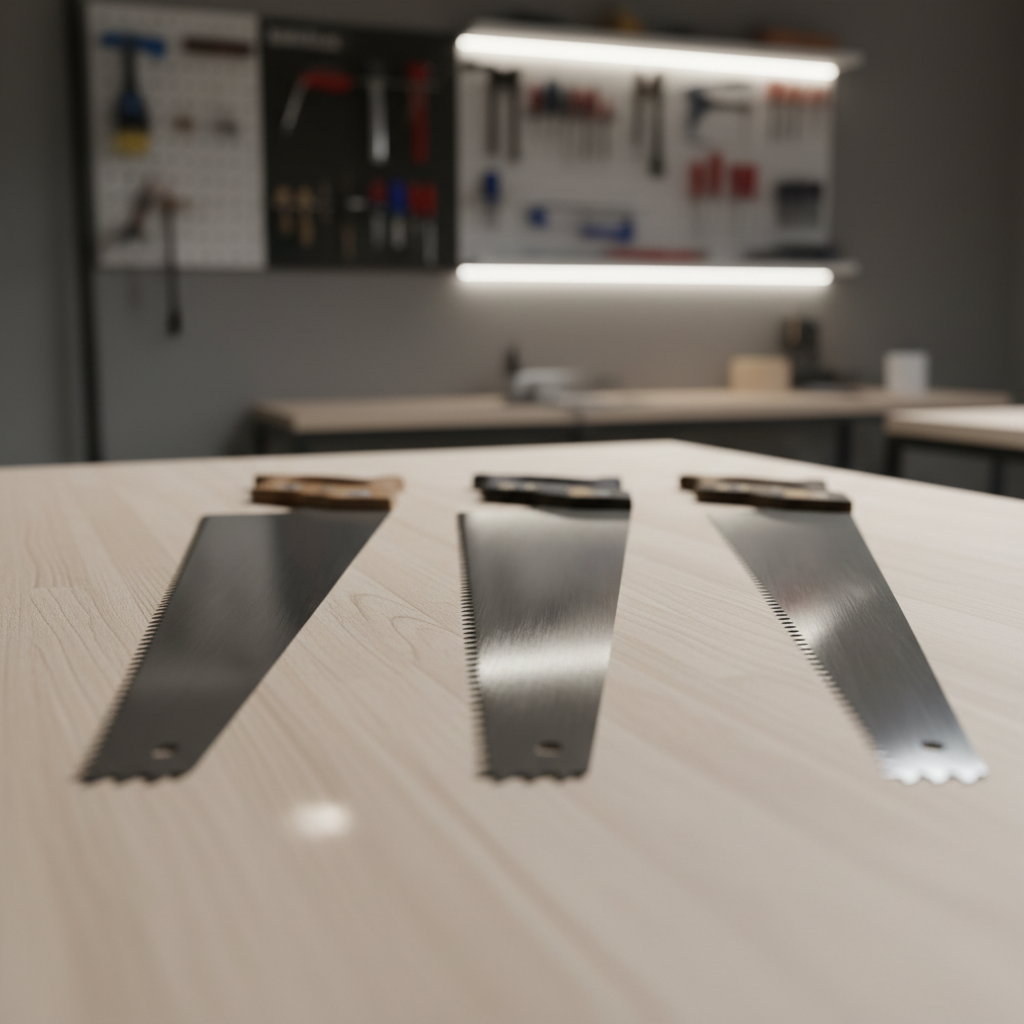
Quick-buy table: best hand saw types for fast cuts
If you want the fastest path to a good choice, start with the saw category, then refine with TPI and blade length.
| Saw type | Where it’s fastest | Typical TPI range | Trade-offs |
|---|---|---|---|
| Traditional panel saw (crosscut) | Fast crosscuts in 1x, 2x, general lumber | 7–10 | Rougher surface than finer saws |
| Traditional panel saw (rip) | Ripping boards with the grain | 4–7 | Not ideal for clean crosscuts |
| Japanese pull saw (ryoba or dozuki) | Controlled, efficient cuts in hardwoods, trim, joinery | 9–19+ | Often slower for rough framing cuts |
| Flush-cut saw | Trimming dowels, plugs, proud joints | Fine | Not for bulk cutting |
| Compact back saw / miter saw | Short accurate crosscuts, small stock | 12–14 | Depth limited by back spine |
The specs that matter most for faster cuts
When people ask for the best hand saw for quick wood cuts, they often focus on brand first. Specs matter more, and you can “read” them in your hands.
TPI (teeth per inch): the speed dial
- 5–7 TPI: very fast in softwood and thicker stock, rougher kerf walls.
- 8–10 TPI: a strong middle ground for DIY, still quick but more controllable.
- 11–15+ TPI: cleaner finish, better for hardwood, usually slower for bulk cuts.
Tooth geometry: crosscut vs rip (don’t guess)
- Crosscut teeth slice wood fibers, better for cutting boards to length.
- Rip teeth act like tiny chisels, better for cutting with the grain.
Using a rip saw on crosscuts can feel grabby and messy. Using a fine crosscut for ripping can feel painfully slow, even if the blade is “sharp.”
Blade length and plate stiffness
- Longer blades (20–26 in) reward full strokes and cut faster once you have room to work.
- Shorter blades feel nimble in tight spots but often require more strokes overall.
- Stiffer plates track straighter with less correction, which is “hidden speed.”
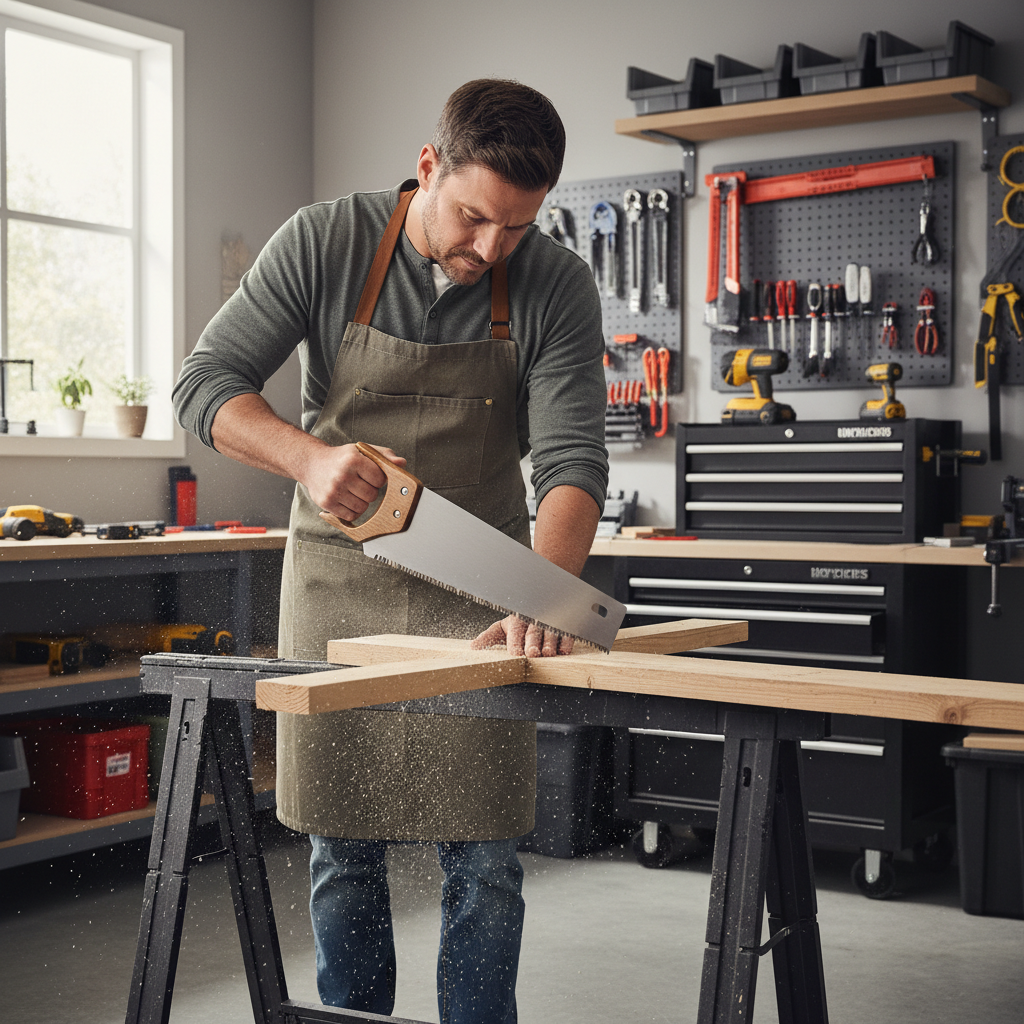
Pick the best hand saw for quick wood cuts by your common jobs
Here’s the part most guides skip: you probably do the same 2–3 cuts over and over. Choose for those, and everything else becomes “good enough.”
If you mostly cut 2x lumber and fence boards
- Choose a crosscut panel saw around 7–10 TPI.
- Look for a firm, comfortable handle, you’ll feel it after 20 cuts.
- If you also rip occasionally, consider adding a dedicated rip saw later rather than compromising now.
If you break down plywood or OSB by hand
- A panel saw can work, but expect splintering on veneer faces.
- Use painter’s tape on the cut line and cut with the “good face” oriented to reduce tear-out, results vary by plywood quality.
- If you do this often, a fine-tooth pull saw may leave a cleaner edge, but it can be slower on long cuts.
If you want speed but also clean trim and hardwood work
- A Japanese ryoba (double-sided pull saw) is a practical compromise: one side for rip, one for crosscut.
- Pull stroke can feel more controlled and less tiring for many users.
- Blades are often replaceable, which is handy if you don’t sharpen.
If you need quick cuts in tight spaces
- Consider a compact saw or pull saw, especially when you can’t use long strokes.
- In cramped spots, “fast” means stable tracking, not tooth aggression.
Self-check: are you choosing the wrong saw, or using it wrong?
Before you buy anything, run this quick diagnostic. It saves money and frustration.
- The saw binds halfway through: kerf may be too narrow, plate may be warped, or you’re twisting the stroke, wax can help.
- It takes forever to start a cut: TPI may be too low for thin stock, or you’re starting with too much pressure.
- The cut wanders: plate flex, dull teeth, or short choppy strokes, a stiffer saw helps.
- Lots of tear-out: tooth geometry mismatch or you’re cutting the show face without support.
- Arm fatigue after a few cuts: handle shape and grip size mismatch, or you’re forcing a dull blade.
Key point: A sharp “wrong saw” can still feel slow, because it’s doing the wrong kind of work on the fibers.
Practical steps to cut faster (without making a mess)
You can squeeze noticeable speed from the same saw with a few adjustments that don’t feel glamorous, but work.
1) Use full strokes and let the teeth do the work
- Start with light pressure, build a shallow kerf, then increase pace.
- Keep the blade angle modest, around 30–45 degrees is comfortable for many people.
2) Stabilize the workpiece like you mean it
- Support both sides of the cut when possible, especially on plywood.
- Clamp if the board chatters, vibration steals speed and accuracy.
3) Reduce friction
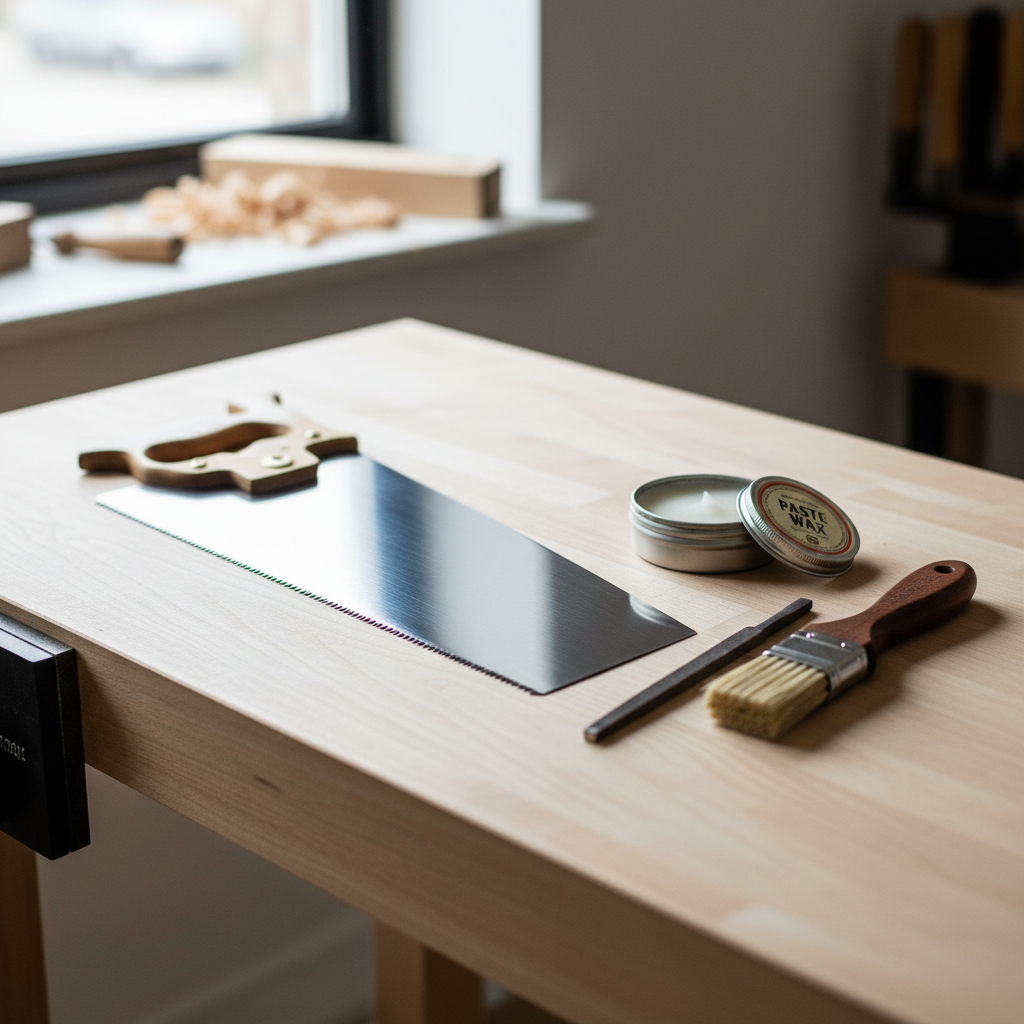
- Rub a little paste wax or candle wax on the plate, it often reduces binding in softwoods.
- Clear sawdust from the kerf on deeper cuts, packed dust can slow the stroke.
4) Keep the line visible and realistic
- A bold pencil line and a simple knife score on veneer can help.
- If you always “chase perfection,” you may slow down more than you need for rough carpentry.
Common mistakes that slow you down (and how to avoid them)
- Buying “fine tooth” thinking it’s automatically better: it can be cleaner, but many situations want fewer teeth for faster removal.
- Ignoring cut direction: crosscut vs rip mismatch is a classic time-waster.
- Over-gripping the handle: death-grip adds fatigue and causes wandering, loosen the hand and guide with the arm.
- Trying to power through dull teeth: dull feels like hard work and also increases slip risk, replace or sharpen.
- Cutting unsupported stock: the board pinches the blade, then you blame the saw.
According to CPSC, many home workshop injuries tie back to tool misuse and loss of control. If your saw binds or jumps, slow down, reset the cut, and improve support before you push harder.
When to sharpen, replace, or ask for help
If you cut wood weekly, maintenance matters. If you cut twice a year, replacement may be simpler than learning sharpening right away.
- Replace when teeth are impulse-hardened (common on many modern saws) and no longer bite, those typically aren’t meant to be filed.
- Sharpen if you have a traditional saw with file-able teeth and you like dialing in performance, it can restore speed dramatically.
- Ask a pro when the saw plate is kinked, the tooth line is uneven, or you want a specific hybrid tooth pattern, a saw sharpening service can usually diagnose quickly.
For safety, if you’re working overhead, on ladders, or near electrical/plumbing runs, it’s smart to slow the pace and consider consulting a qualified tradesperson, especially when the work could create hidden hazards.
Conclusion: the fastest “right” saw is the one that matches your cuts
The best hand saw for quick wood cuts is rarely the most expensive option, it’s the one with the right tooth style and TPI for your typical material, plus a handle you can drive comfortably. If you mainly crosscut construction lumber, a 7–10 TPI panel saw is hard to beat. If you care about control and cleaner edges in hardwood and trim, a pull saw often feels more efficient even if the tooth count is higher.
Action steps: pick one primary saw based on your most common job, then do a quick “bind and wander” test on scrap wood. If it still feels slow, address support and friction before buying another tool.