Best home tool kit for new homeowners usually means one thing in real life: a set that helps you handle the first-year “small emergencies” without turning every loose handle into a hardware-store trip.
New houses and new apartments both come with surprises, a door that sticks, a shelf you swear was level, a smoke detector that chirps at 2 a.m., and a random leak that might be nothing or might be something. Having the right core tools buys you time and reduces stress, even if you still call a pro for bigger work.
One more honest point, most pre-made kits are either too flimsy, too bloated, or missing the exact thing you need on a Saturday night. This guide helps you spot a solid starter kit, know what to add based on your home, and avoid spending twice.
What “best” really means for a first home tool kit
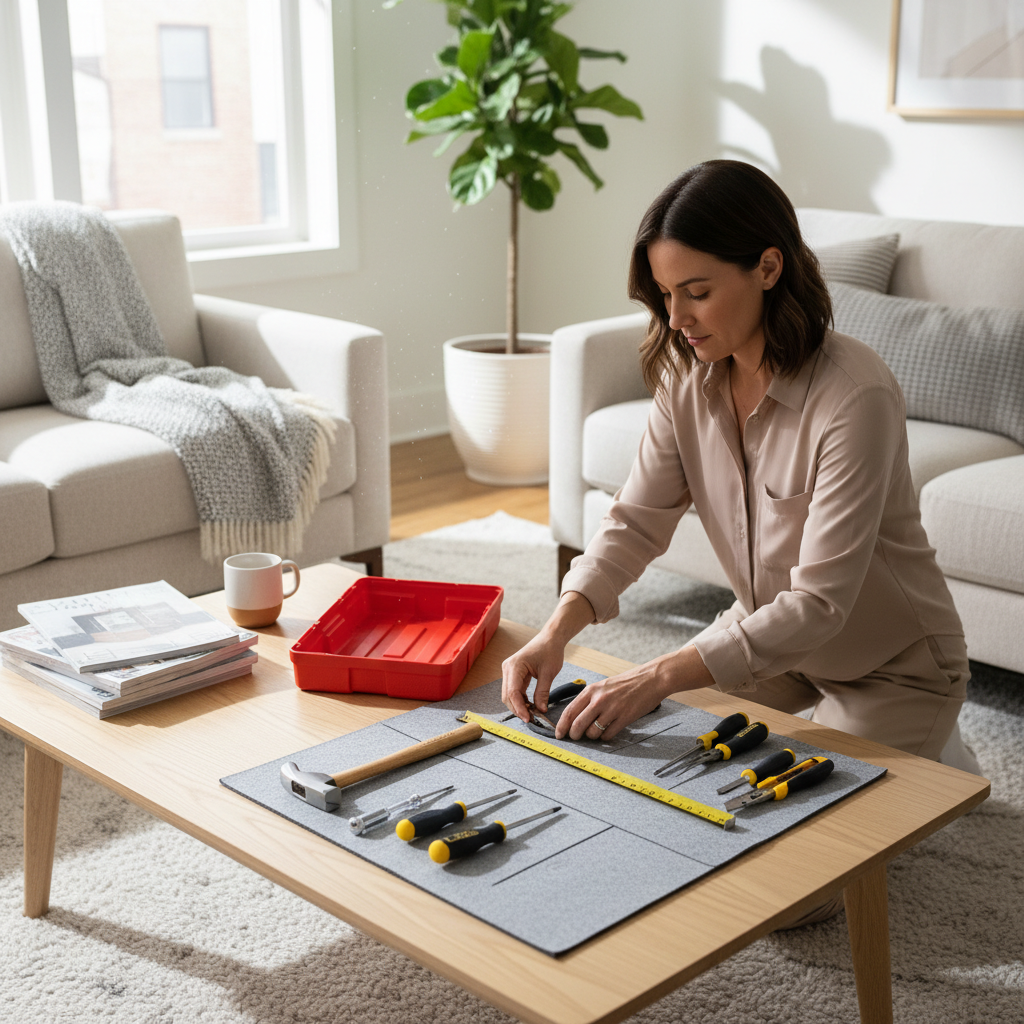
The “best” kit is less about brand hype and more about coverage, comfort, and not fighting the tools. You want pieces you’ll actually reach for, with enough quality that screw heads don’t strip and pliers don’t slip.
- Coverage: handles basic hanging, tightening, measuring, cutting, and minor repairs.
- Usability: comfortable grips, clear size markings, solid latches on the case.
- Upgrade path: lets you add a few better pieces later without replacing everything.
- Right size: small kit for apartment life, larger kit for a single-family home or garage.
If you’re shopping for the best home tool kit for new homeowners in 2026, assume you’ll do light maintenance, furniture assembly, and occasional “why is this wiggling?” fixes, not full renovations.
Common scenarios new homeowners run into (and the tools that solve them)
This is where kits win or fail. A lot of sets look impressive, then you realize they forgot the right screwdriver bits or a reliable tape measure.
1) Hanging and mounting
- 8–12 oz claw hammer or a small rubber mallet
- 25 ft tape measure
- Torpedo level (small) or 9–12 in level
- Stud finder (often a separate buy)
- Assorted picture hooks, wall anchors, screws (nice to have)
2) Tightening loose things
- Quality multi-bit screwdriver or set of screwdrivers (Phillips and flathead)
- Hex keys (Allen keys), ideally both metric and SAE
- Adjustable wrench (6–8 in) and/or small wrench set
3) Quick “something’s leaking” moments
- Groove-joint pliers (often called Channel-Lock style)
- Adjustable wrench with solid jaw fit
- PTFE thread seal tape and a roll of plumber’s tape
According to the U.S. Consumer Product Safety Commission (CPSC), product-related injuries are common in the home, so prioritize tools that feel controllable in your hand, especially cutting tools and anything used overhead.
A practical checklist: does this kit cover the basics?
If you already have a kit in a cart, run it through this quick test before you buy. Most people can decide in two minutes.
- Screwdriver reality check: includes #1 and #2 Phillips, 1/4 in flathead, plus common bits (Torx and square are a bonus).
- Pliers that bite: needle-nose pliers plus either slip-joint or groove-joint pliers.
- Measuring you trust: at least a 16 ft tape measure, ideally 25 ft for rooms and furniture planning.
- Cutting: utility knife with replaceable blades, and scissors or snips for packaging and light materials.
- Fastener basics: small assortment of nails/screws/anchors, even a modest selection helps early on.
- Storage: case hinges and latches feel sturdy, items don’t spill when you carry it.
If it misses two or more items above, it can still be “okay,” but it stops being the best home tool kit for new homeowners and becomes a starter bundle you’ll patch immediately.
Kit types compared: which one fits your home?
Here’s the simplest way to shop without getting sucked into “more pieces = better.” Piece counts can be misleading because 40 of those pieces might be tiny driver bits you’ll never touch.
| Kit type | Best for | Pros | Watch-outs |
|---|---|---|---|
| Compact 30–60 piece | Apartments, condos, dorm-to-first-home transitions | Affordable, easy to store, covers basic tightening and measuring | Often weak hammer, short tape measure, limited pliers |
| General-purpose 80–150 piece | Most new homeowners | Better coverage, more bits, usually includes a level and decent case | Quality varies, can include “filler” items |
| Home + auto combo set | Garage owners, car owners who do light maintenance | Sockets and ratchet included, good for bikes, furniture, small projects | Bulky, may still need better screwdrivers |
| Build-your-own core kit | People who hate clutter and want durable tools | You choose quality where it matters | Higher upfront cost, takes more time to assemble |
If you’re unsure, a mid-size general-purpose kit plus two smart add-ons (a stud finder and a headlamp) fits a lot of households.
How to choose in 2026: quality signals that actually matter
Tool marketing gets loud, but the good tells are pretty grounded. Look for fewer “cool features,” more basics done well.
- Driver comfort and grip: if the handle is slick plastic with sharp seams, your hand will notice quickly.
- Bit fit and hardness: bits should seat cleanly, not wobble. Soft bits round over fast, especially on cheap screws.
- Pliers alignment: jaws meet evenly, hinge doesn’t feel gritty.
- Tape measure stand-out: it should extend without collapsing immediately, and markings should be readable.
- Case layout: tools stay put. If everything falls out in the aisle, it’ll fall out in your closet too.
Battery-powered tools show up in many “new homeowner” bundles now. They can be helpful, but if the drill is underpowered or the battery is an odd format you can’t expand, a basic manual kit plus a decent standalone drill often feels like a smarter buy.
Starter add-ons that make a kit feel complete
Even the best home tool kit for new homeowners benefits from a few small additions, because homes have patterns: you’ll reset breakers, change filters, and crawl under sinks more than you expect.
High-impact add-ons (usually inexpensive)
- Headlamp or bright flashlight: frees both hands during shutoff valve checks.
- Work gloves: useful for broken glass, rough wood, hot light fixtures that may still be warm.
- Assorted zip ties: quick cable control, temporary fixes, organizing garage clutter.
- Painter’s tape: labeling, marking stud locations, clean edges for small touch-ups.
- Small magnetic parts tray: stops screws from disappearing into vents.
Nice-to-have if you own a house
- Stud finder (look for simple, consistent readings)
- Non-contact voltage tester for basic checks around outlets and switches
- Step stool or small ladder with a stable platform
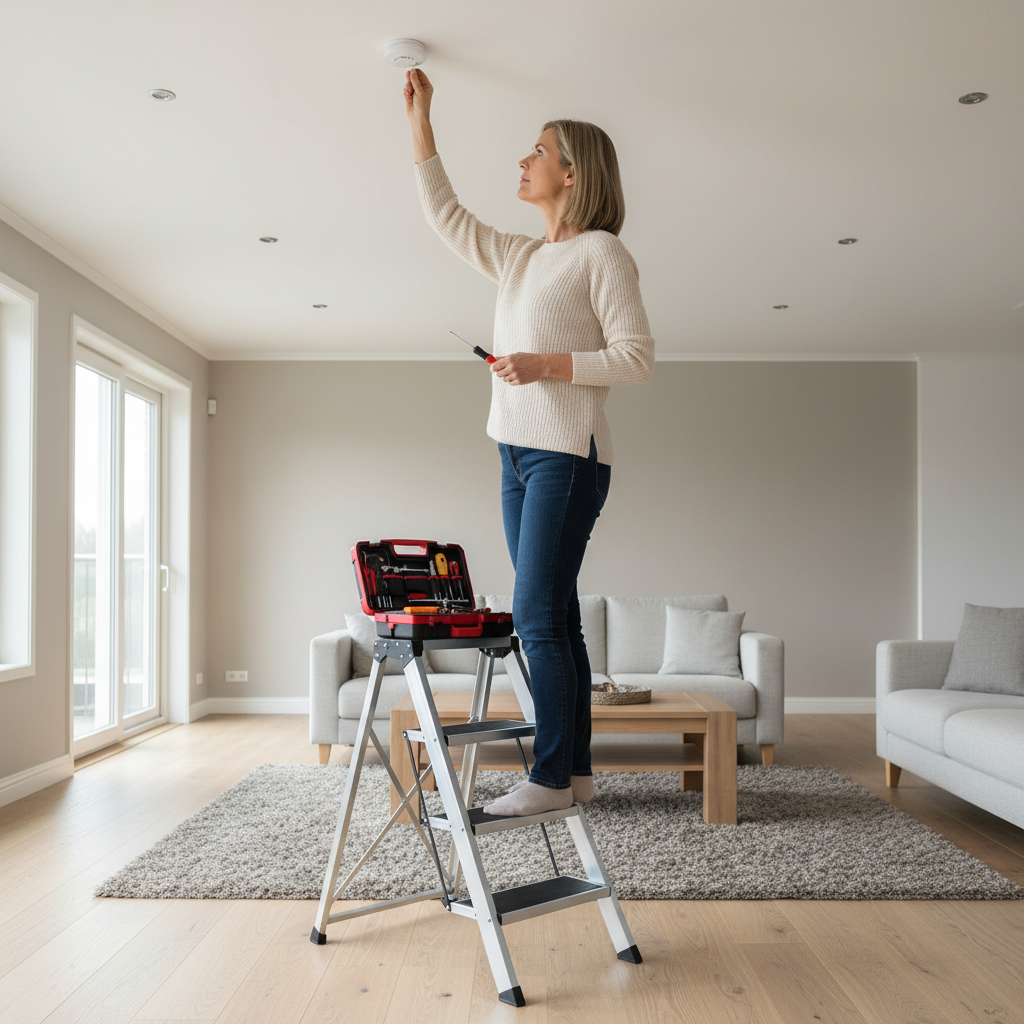
According to the National Fire Protection Association (NFPA), working smoke alarms are a key part of home fire safety, so keeping a step stool and the right screwdriver handy makes routine battery changes and alarm replacements less of a “later” task.
Practical first-week setup: make the kit usable, not just owned
Buying the kit is the easy part, then it gets buried under moving boxes. Spend 20 minutes setting it up so it pays off the first time you need it.
- Pick one home base: hall closet, laundry shelf, or kitchen cabinet, just not the back of the garage behind paint cans.
- Create a “grab bag” pouch: flashlight, tape measure, multi-bit driver, pencil, utility knife, small level.
- Label shutoffs: if you can, tag the main water shutoff and gas shutoff area. If you’re unsure, a plumber or your utility provider can advise.
- Keep a small spare box: AA/AAA/9V batteries, a few anchors, common screws, and a roll of PTFE tape.
For anything involving electricity, gas, structural walls, or persistent leaks, play it conservative. A basic tester can help with quick checks, but it’s often wiser to consult a licensed professional when something feels unclear.
Common mistakes (and what to do instead)
- Mistake: buying the biggest piece-count kit.
Do instead: prioritize a good driver, reliable pliers, and an honest tape measure, then add a few essentials. - Mistake: using the wrong screwdriver tip and stripping screws.
Do instead: match the bit snugly, apply firm pressure, and upgrade bits if they start camming out. - Mistake: “fixing” a leak by overtightening.
Do instead: tighten gently, check washers, use thread tape where appropriate, and stop if resistance feels wrong. - Mistake: ignoring safety gear.
Do instead: keep eye protection and gloves nearby, especially for cutting, drilling, or overhead work.
Conclusion: what to buy, and what to skip
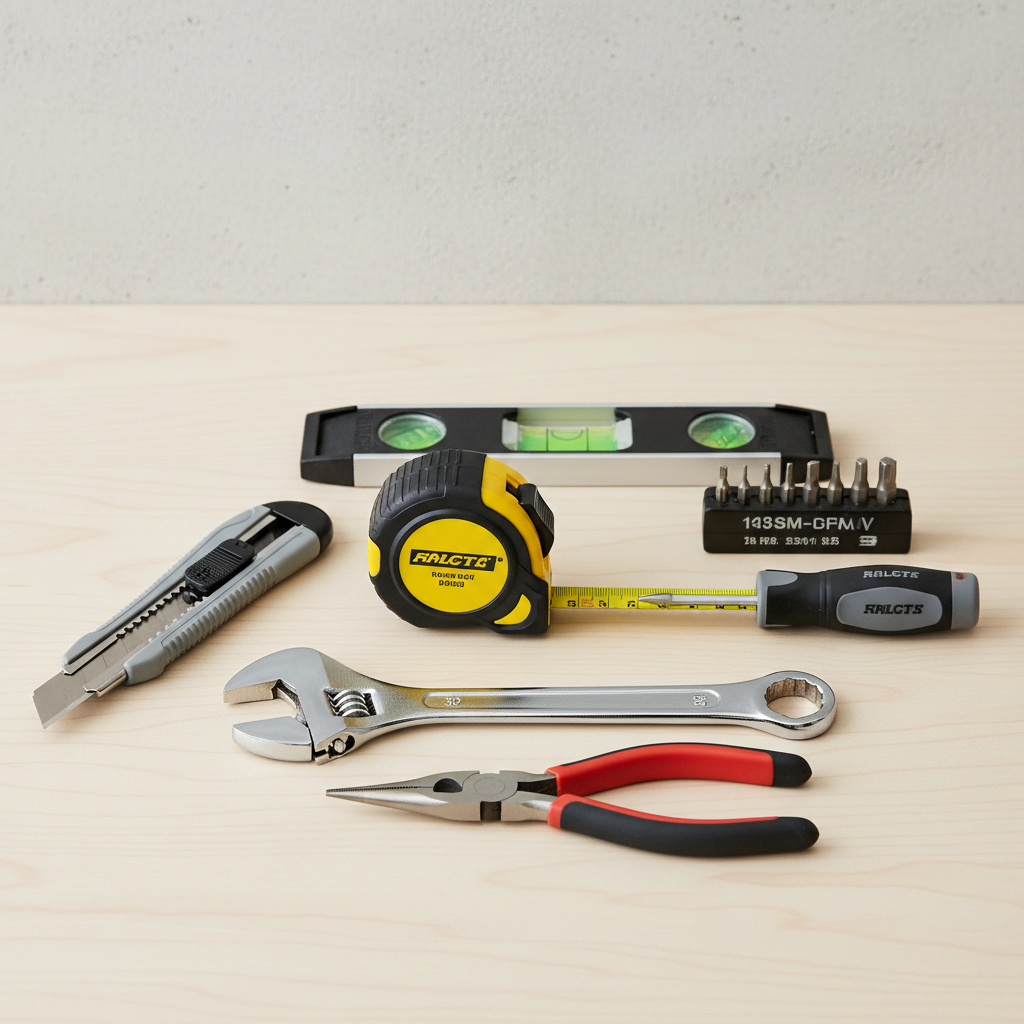
If you want one clean takeaway, aim for a mid-size kit that nails the fundamentals: a comfortable multi-bit screwdriver, real pliers, an adjustable wrench, a readable tape measure, a utility knife, and a level you trust. That combination handles most early homeowner tasks without drama.
Then add the small extras that match your reality, a headlamp, a stud finder if you plan to hang anything heavier than a frame, and basic safety items. If you do that, the best home tool kit for new homeowners stops being a “purchase,” and starts being a quiet backup you’ll use all year.