brick trowel pointed masonry is the tool choice that usually separates “good enough” bricklaying from lines that look intentional, tight joints, clean edges, and less time fixing smears.
If your mortar keeps riding up the blade, your bed joints look uneven, or corners feel clumsy, it’s rarely because you “lack technique” in general, it’s often a mismatch between trowel shape, size, and the kind of work you’re doing.
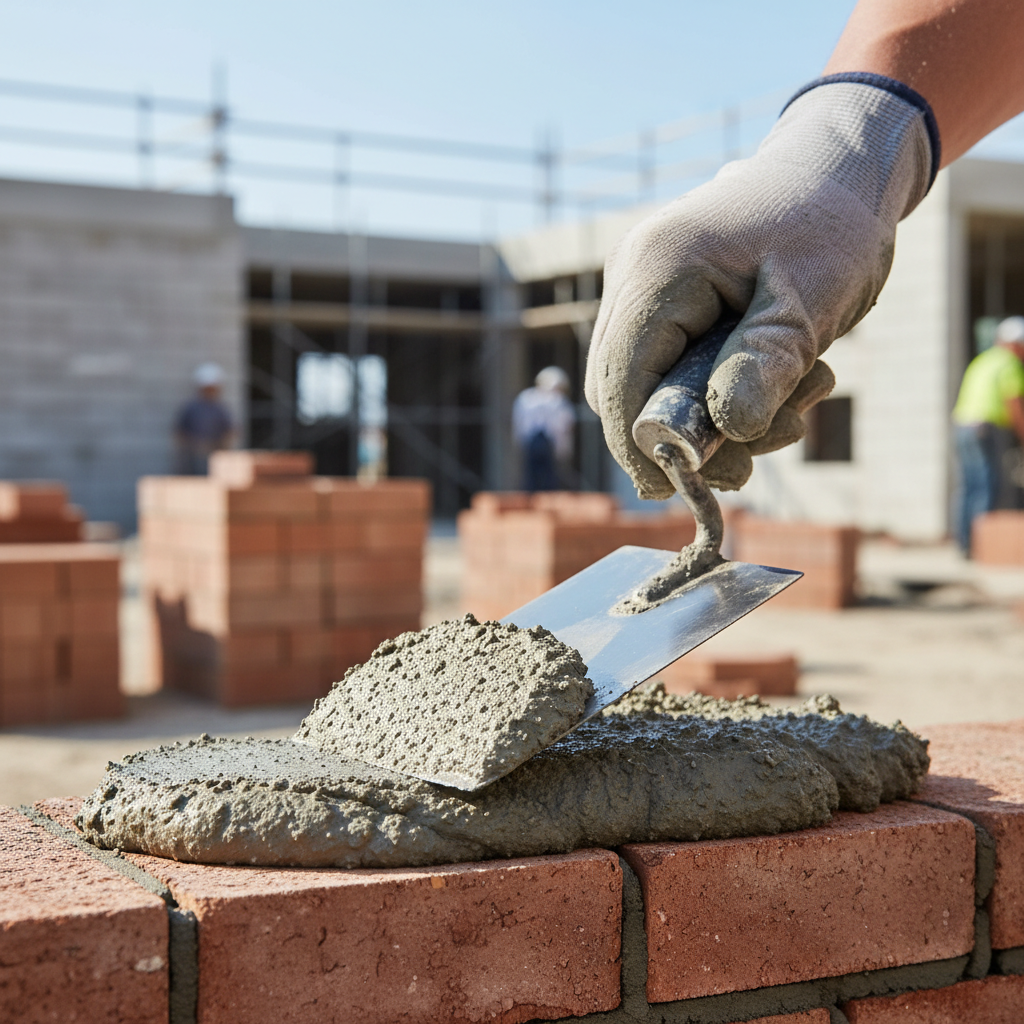
This guide breaks down what “pointed” really does, how to pick the right length and handle, a quick self-check so you don’t overbuy, and a practical routine for laying brick with fewer do-overs.
Why a pointed brick trowel behaves differently
A pointed brick trowel isn’t just a style preference, the geometry changes how mortar releases and how precisely you can place it.
- Narrower tip, better placement: The point helps you drop mortar into tighter spots, especially near returns, ends, and small gaps.
- Cleaner “cut” on the bed: The tip gives you a more controlled edge when you shear off excess mortar, so the bed joint width stays consistent.
- More control on vertical joints: Buttering brick ends and filling head joints feels less like “smearing,” more like placing.
That said, the point can feel twitchy if you’re used to a wider London-style blade, and on high-speed, repetitive straight runs, some people still prefer a slightly rounder tip for flow.
How to choose the right size and handle (without guessing)
Picking a brick trowel pointed masonry model comes down to what your wrist can control for a full day, not what looks “pro.” Length, shank stiffness, and handle shape matter more than most listings admit.
Blade length: 10" vs 11" vs 12"
- 10": Often easier for DIY and repair work, less fatigue, good for tight areas and slower pacing.
- 11": A common middle ground for general bricklaying and light block work, usually stable without feeling bulky.
- 12": More mortar capacity, can be efficient on long runs, but mistakes get bigger faster if control isn’t there.
If you’re working overhead, on scaffolding, or in awkward corners, shorter often wins even when production speed matters, because you lose less time cleaning up.
Handle feel: wood, soft grip, or ergonomic patterns
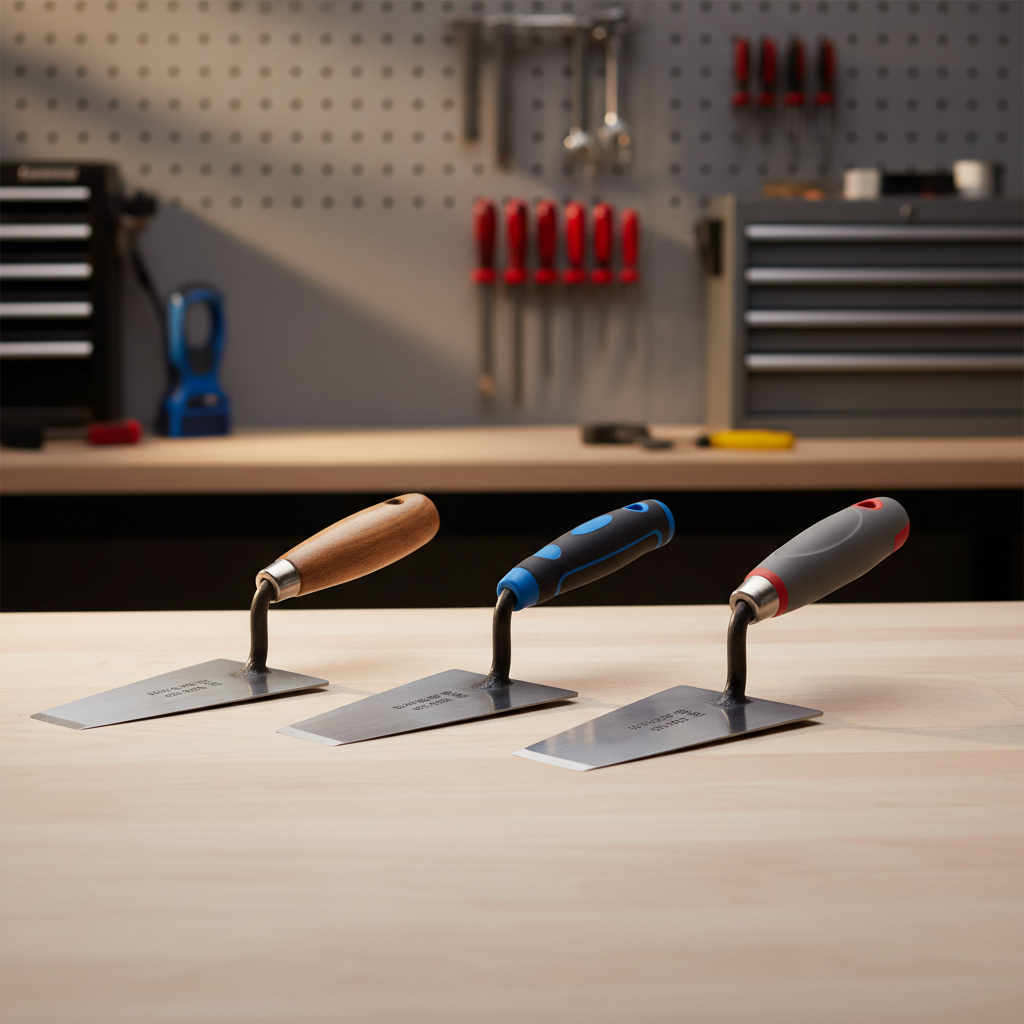
- Wood handle: Traditional, warm in cold weather, can be sanded or shaped, but needs care to avoid swelling and splinters.
- Soft grip: Comfortable fast, helpful if you’re prone to blisters, but sometimes less “indexed” feedback.
- Ergonomic/high-arch: Can reduce wrist strain for some users, though fit varies a lot by hand size.
Steel and stiffness: what to pay attention to
Listings often say “tempered” or “high carbon,” but what you feel is the flex and the grind. A blade that’s too flexible can “bounce” mortar, too stiff can feel harsh when you tap and trim.
According to OSHA guidance on hand tools, tools should be kept in good condition and used as intended to reduce injury risk, in practice that translates into choosing a trowel you can control and maintaining a clean, undamaged blade edge.
Quick self-check: do you actually need a pointed trowel?
If you’re on the fence, this checklist usually makes the decision obvious. You likely benefit from a pointed blade if you catch yourself doing any of these:
- You spend time “touching up” head joints because mortar won’t land where you want.
- Corners and returns look rough even when your line and level work is fine.
- You tend to over-apply mortar, then slice off a lot, wasting mix and time.
- You do repair work, patching, or mixed masonry where precision matters more than speed.
If most of your work is long, straight runs where you want fast loading and release, a pointed tool still works, but you may want a longer blade or a slightly broader pattern so it doesn’t feel too “sharp” in the hand.
Practical laying routine: cleaner beds, tighter joints, less mess
Using a brick trowel pointed masonry tool well is less about fancy wrist flicks and more about repeating a simple pattern that keeps mortar consistent.
1) Load the trowel the same way every time
- Pull mortar toward you, let the blade pick it up rather than scooping wildly.
- Keep the mound centered, if it rides the side, you’ll smear the face of the brick.
2) Spread a bed joint with a controlled “push and shear”
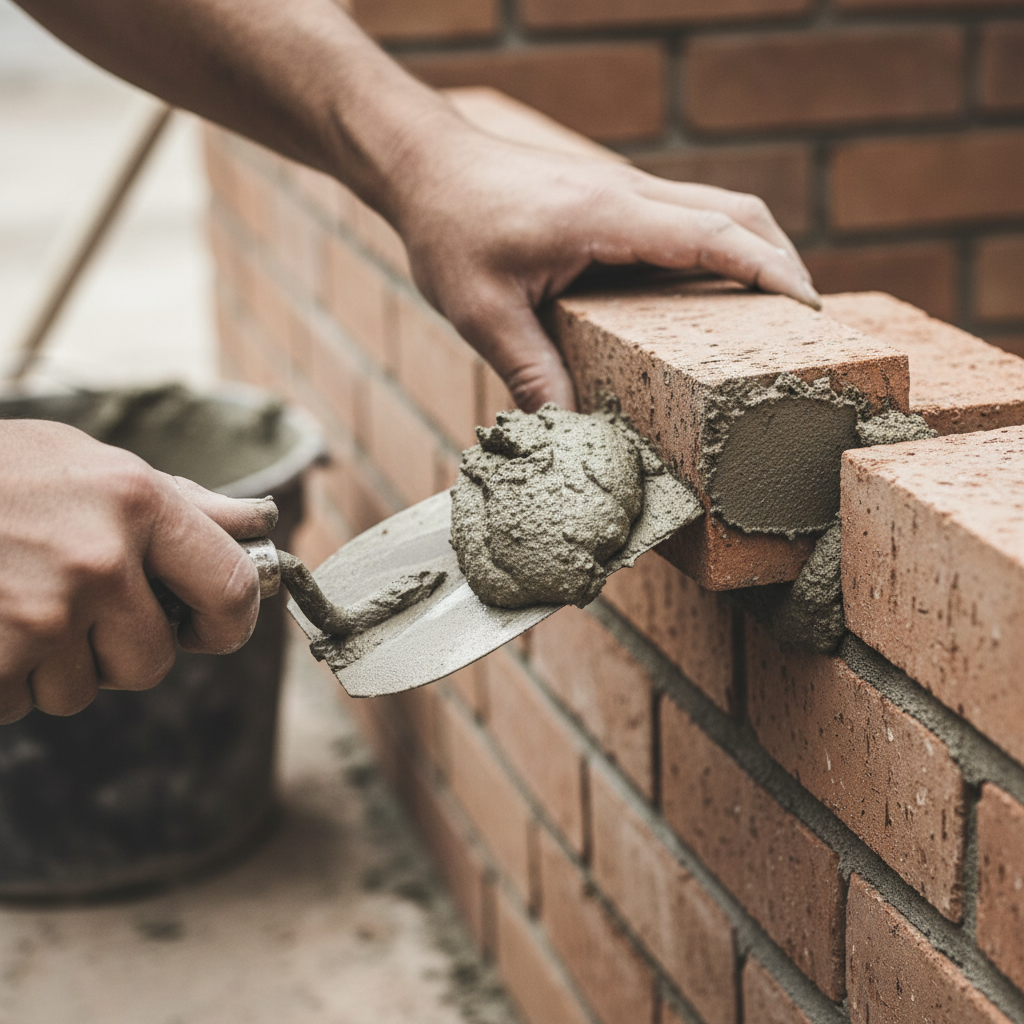
- Lay mortar, then use the pointed tip to define the outside edge.
- Shear the excess back into the board or hawk, don’t drag it along the brick face.
3) Butter ends only when it helps
For many small walls and repairs, buttering brick ends improves fill. For fast runs, you may rely more on a consistent bed and a quick head-joint fill pass. Either can be “right,” the real test is whether you’re getting solid fill without oozing everywhere.
4) Strike joints at the right time
Timing is what makes joints look professional. Too early and you smear, too late and you tear. In many conditions, the “right” moment is when the mortar firms up enough to resist sticking heavily to the jointer, but still shapes cleanly. Temperature, suction from the brick, and mix consistency all change this.
Comparison table: pointed trowel vs common alternatives
People often ask whether the pointed pattern is “better,” but it’s usually “better for this task.” Here’s a simple way to think about it.
| Tool type | Where it shines | Trade-offs |
|---|---|---|
| Pointed brick trowel | Head joints, corners, repair work, controlled mortar placement | Can feel less forgiving at high speed, takes a little adjustment |
| London-style brick trowel | Fast straight runs, easy loading and spreading | Less precise at tight ends, more cleanup in cramped spots |
| Margin trowel | Small batches, buckets, tight access areas | Not efficient for full bed joints on brick courses |
| Pointing trowel | Tuckpointing detail, small joint work | Too small for laying multiple bricks efficiently |
Common mistakes that make any trowel feel “wrong”
- Mortar too wet: It slumps, smears, and refuses to stay where you place it. Adjust water gradually, and follow your mix guidance.
- Overworking the bed: More passes usually mean more mess. Place, define the edge, then move on.
- Ignoring brick suction: Some brick pulls water fast, which changes workability. Pre-wetting may help in some cases, but job conditions vary.
- Letting mortar build up on the blade: A dirty blade changes release. Quick wipe-downs keep placement consistent.
According to The Brick Industry Association, proper mortar selection and workmanship are critical for brick masonry performance, which is a reminder that even a great trowel can’t compensate for a poor mix or inconsistent joint practice.
When it’s worth getting professional input
If you’re seeing cracking, persistent loose brick, moisture issues, or movement in a wall, it may be more than a tool problem. A mason or qualified inspector can help diagnose structural or water-management causes before you invest time in cosmetic fixes.
For safety, if you’re working on scaffolding, tall veneers, chimneys, or any load-bearing wall changes, it’s usually smart to consult a licensed professional and follow local codes, especially because small technique mistakes can become big failures over time.
Conclusion: pick for control, then practice one repeatable method
A pointed trowel makes sense when you want mortar to land exactly where you intend, especially in corners, head joints, and repair work. Match the blade length to your pace and wrist comfort, keep mortar consistency steady, and commit to a simple spread-and-shear routine for a few sessions before judging the tool.
Key takeaways:
- Pointed blades improve precision, not magic speed.
- 10–11 inches fits many DIY and general jobs, 12 inches can suit longer runs if control stays solid.
- Most “messy joints” come from mix and timing, not just the trowel pattern.
If you’re choosing a new trowel this week, start by picking a size you can comfortably control for an hour without grip fatigue, then tune mortar consistency and joint timing, those two changes pay back fast.
FAQ
What does “pointed” mean on a brick trowel?
It refers to the blade tip shape. A pointed tip gives a narrower leading edge, which helps place mortar into tighter spots and define joint edges with less wandering.
Is a pointed brick trowel good for beginners?
Often yes, because it rewards slower, deliberate placement. Some beginners find it “grabby” at first, so a shorter length can make the learning curve easier.
What size pointed trowel should I buy for home projects?
Many homeowners do well with a 10-inch or 11-inch option since it’s easier to control in tight spaces. If you’re laying long straight runs, you might prefer 11–12 inches, but only if it still feels stable in your hand.
Why does mortar keep sticking to my trowel?
Mortar stickiness can come from a mix that’s too wet, a dirty blade, or timing issues when spreading. Cleaning the blade and adjusting water slightly usually helps, but mix design and conditions can change the “feel.”
Can I use a pointed brick trowel for block work too?
You can, especially for small block repairs or detail work. For high-volume block laying, many masons switch to tools designed around wider beds and faster coverage.
How do I maintain a masonry trowel so it lasts?
Rinse mortar before it hardens, dry the blade, and store it where the edge won’t get dinged. If the handle loosens or cracks, fix it early, because a slipping handle becomes a safety issue.
What’s the difference between a brick trowel and a pointing trowel?
A brick trowel is sized for spreading bed joints and laying units efficiently. A pointing trowel is smaller and better for detailed joint work, patching, and tight repointing tasks.
If you’re choosing between a couple of patterns and sizes, and you want a more “no regrets” setup, it can help to describe your brick type, joint style, and whether you do mostly repairs or long runs, then match the trowel length and handle to that reality rather than buying the biggest option.