The best circular saw for beginners is the one that feels predictable in your hands, has smart safety features, and matches the kind of cuts you actually plan to make, not the “most powerful” model on the shelf.
If you’re new, most frustration comes from two places: the saw fights you because the setup is off, or you bought a spec sheet instead of a tool that fits your projects. A good beginner saw makes straight cuts easier, reduces surprise behaviors like binding, and doesn’t punish small mistakes.
This guide narrows down what to look for in 2026, how to self-check what you need, and how to set up your first cuts so you don’t burn wood, chip plywood, or scare yourself with kickback. I’ll also flag what’s worth spending on, and what’s usually just marketing.
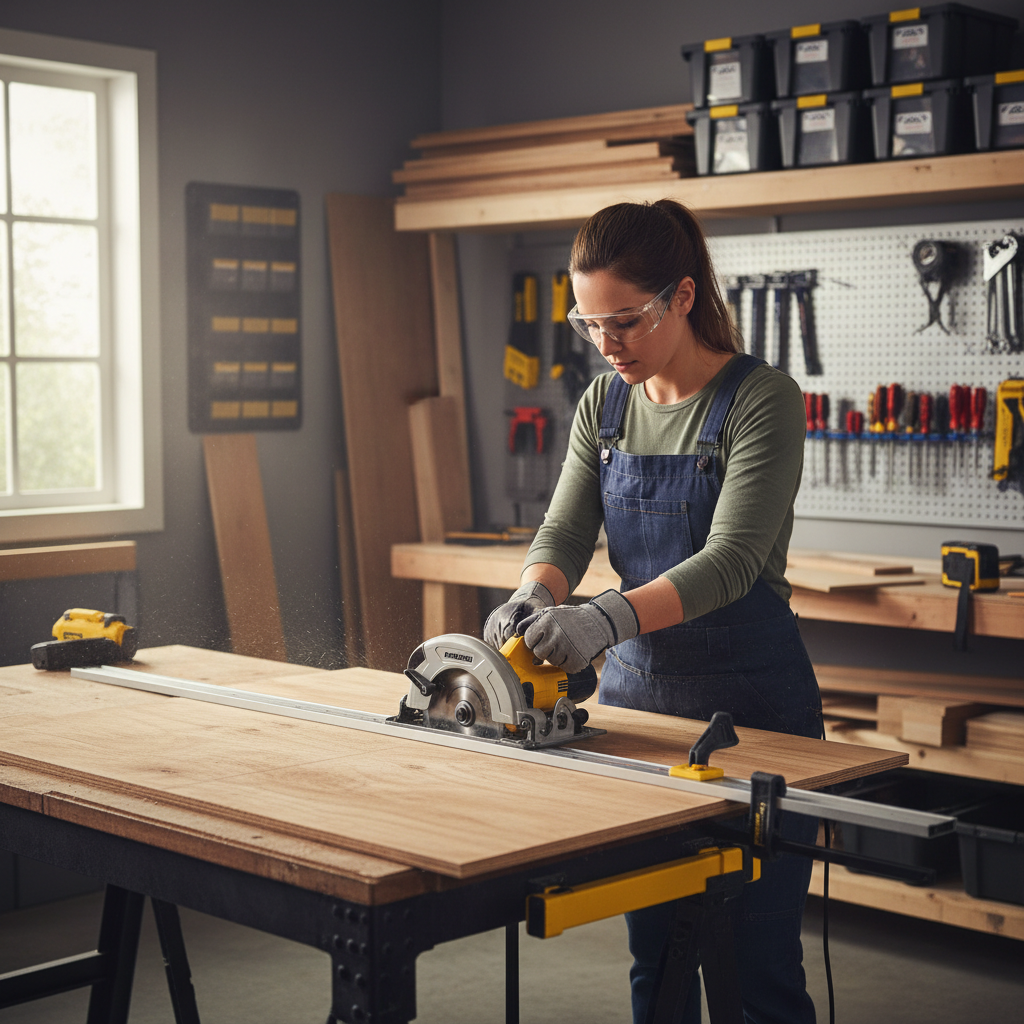
What makes a circular saw “beginner-friendly” (real-world criteria)
For a first saw, you’re not trying to win a horsepower contest. You’re trying to get repeatable cuts with minimal drama. These features tend to matter most for new users.
- Comfort and balance: If it feels nose-heavy or awkward, you’ll fight it all day, especially on sheet goods.
- Clear depth and bevel adjustments: Levers that hold position, markings you can read, and adjustments that don’t drift mid-cut.
- Good guard action: The lower blade guard should retract smoothly without sticking. Sticky guards make starts and plunges feel sketchy.
- Brake (often on cordless): Electric blade brake shortens coast-down time, which reduces those “waiting forever” moments after a cut.
- Visibility: A decent sightline to the blade and a practical cut indicator. Fancy “laser lines” aren’t a substitute for a guide.
- Dust management: Not perfect on most circular saws, but a dust port that aims debris away from your face helps.
According to OSHA (Occupational Safety and Health Administration), proper guarding and safe operating practices are central to preventing common saw injuries, so don’t treat the guard as optional, even on quick cuts.
Quick self-check: which type of beginner are you?
Picking the best circular saw for beginners gets easier when you stop thinking in brands and start thinking in use cases. Answer these and you’ll usually know what category fits.
1) What are you cutting most?
- 2x lumber, decking, framing: Standard 7-1/4 in saws shine here, corded or cordless.
- Plywood, MDF, panels: Look for stability, visibility, and a good blade; a track saw is nicer but not required.
- Occasional DIY: A lighter cordless saw can feel less intimidating and more convenient.
2) Where will you work?
- Garage/driveway near outlets: Corded gives steady power and lower cost per cut.
- Yard, jobsite, no power nearby: Cordless wins on convenience, just budget for batteries.
3) How sensitive are you to tool weight?
- If wrist/shoulder fatigue is a concern, prioritize lighter weight and good handles over max power.
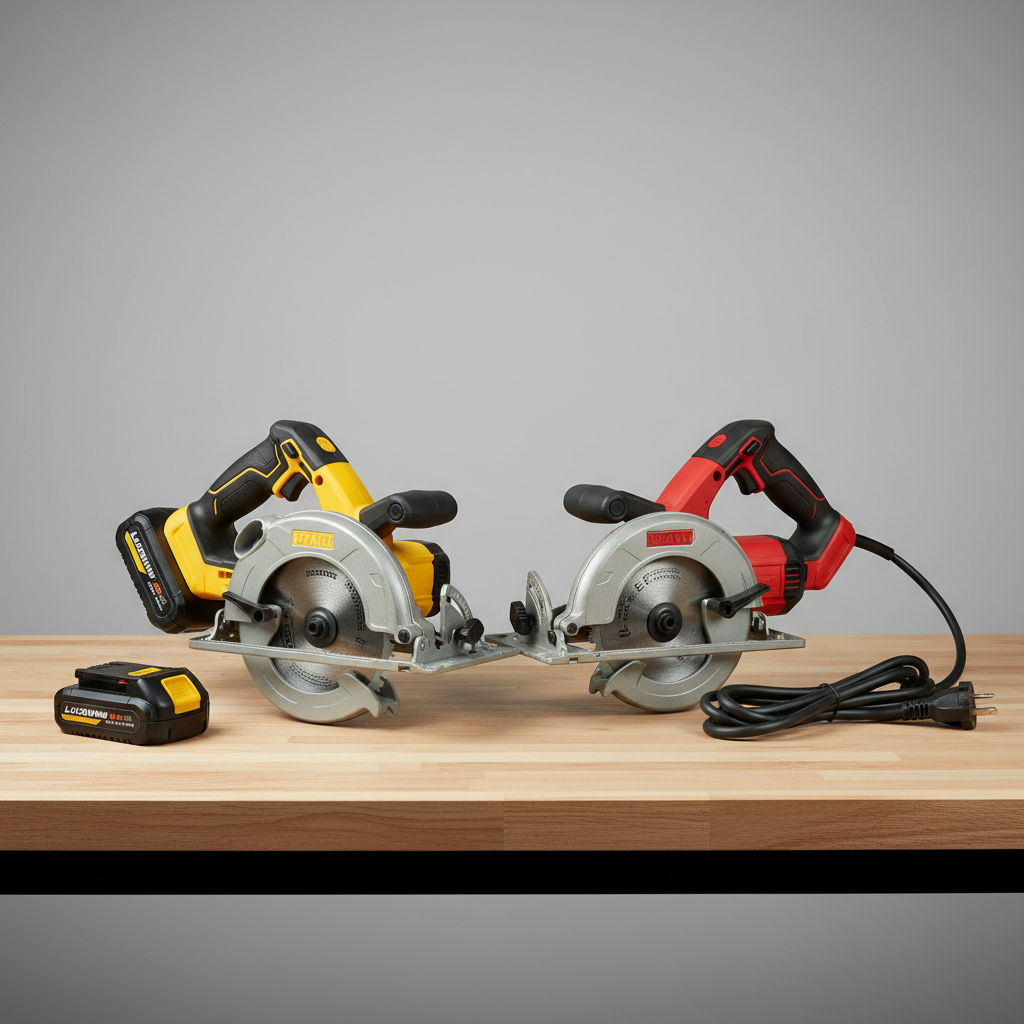
Corded vs cordless in 2026: what beginners should actually buy
This is where many first-time buyers overspend. Cordless is convenient, but the “real” cost includes batteries and a charger, and those can add up fast.
Corded circular saws (why they still make sense)
- Consistent power for long rip cuts and thicker stock
- Lower upfront cost for comparable cutting ability
- Often a good pick if you’re learning and working at home
Cordless circular saws (where they shine)
- Less hassle for quick cuts, small projects, outdoor work
- Great if you already own a battery platform (Milwaukee M18, DeWalt 20V, Makita 18V LXT, etc.)
- Many models include an electric brake, which beginners tend to appreciate
If you’re undecided, a practical compromise is: buy corded if this is your only power tool for now, go cordless if you’re committing to a battery ecosystem for multiple tools.
Key specs that matter (and what you can ignore)
Specs are useful, but only when they connect to a problem you’re trying to solve. Here’s the short list I’d use for any “best circular saw for beginners” shortlist.
- Blade size: 7-1/4 in is the common all-rounder; smaller blades can reduce weight but may limit cut depth.
- Cut depth at 90°: Enough to clear common lumber. For many DIYers, clean cuts matter more than maximum depth.
- Bevel capacity: Useful for angles, but don’t pay extra for extreme bevel if you rarely use it.
- Baseplate/shoe rigidity: A stiffer shoe tracks straighter and stays true when you bump it.
- Spindle lock: Makes blade changes much less annoying.
- Soft start (sometimes): Helps the saw feel less jerky at startup, though plenty of good saws work fine without it.
What’s easy to ignore: “no-load RPM” as a bragging point, gimmicky lasers, and inflated “equivalent amp” marketing. A good blade and correct technique beat hype most days.
Beginner buying checklist (use this in the aisle)
If you only do one thing before buying, do this quick handling check. It prevents that common mistake where the saw looks great online but feels wrong in person.
- Grip test: Can you comfortably reach the trigger and safety without shifting your hand?
- Sightline: Can you see where the blade meets the cut line?
- Adjustment test: Depth and bevel levers tighten firmly without excessive force.
- Guard test: With the saw unplugged or battery removed, the lower guard moves smoothly and snaps back.
- Plate flatness: The baseplate sits flat on a shelf surface and doesn’t rock.
- Support: Easy access to blades, spare parts, and a manual you can actually read.
Starter setup: how to get clean, safe cuts in your first weekend
Most new users blame the saw when the real culprit is setup. These steps keep your first cuts controlled and far less stressful.
Pick the right blade (this changes everything)
- General lumber: A framing blade works, but a mid-tooth-count combo blade often leaves cleaner edges.
- Plywood: Use a higher tooth count blade to reduce tear-out, and cut with the good face down on most circular saws (because the blade exits upward).
- Don’t start with “mystery blades”: A cheap, dull blade can make any saw feel dangerous.
Set depth correctly
A common rule of thumb is to set blade depth so the teeth extend just below the material. Too deep can increase splintering and makes the saw feel more aggressive.
Use a guide before you trust your freehand
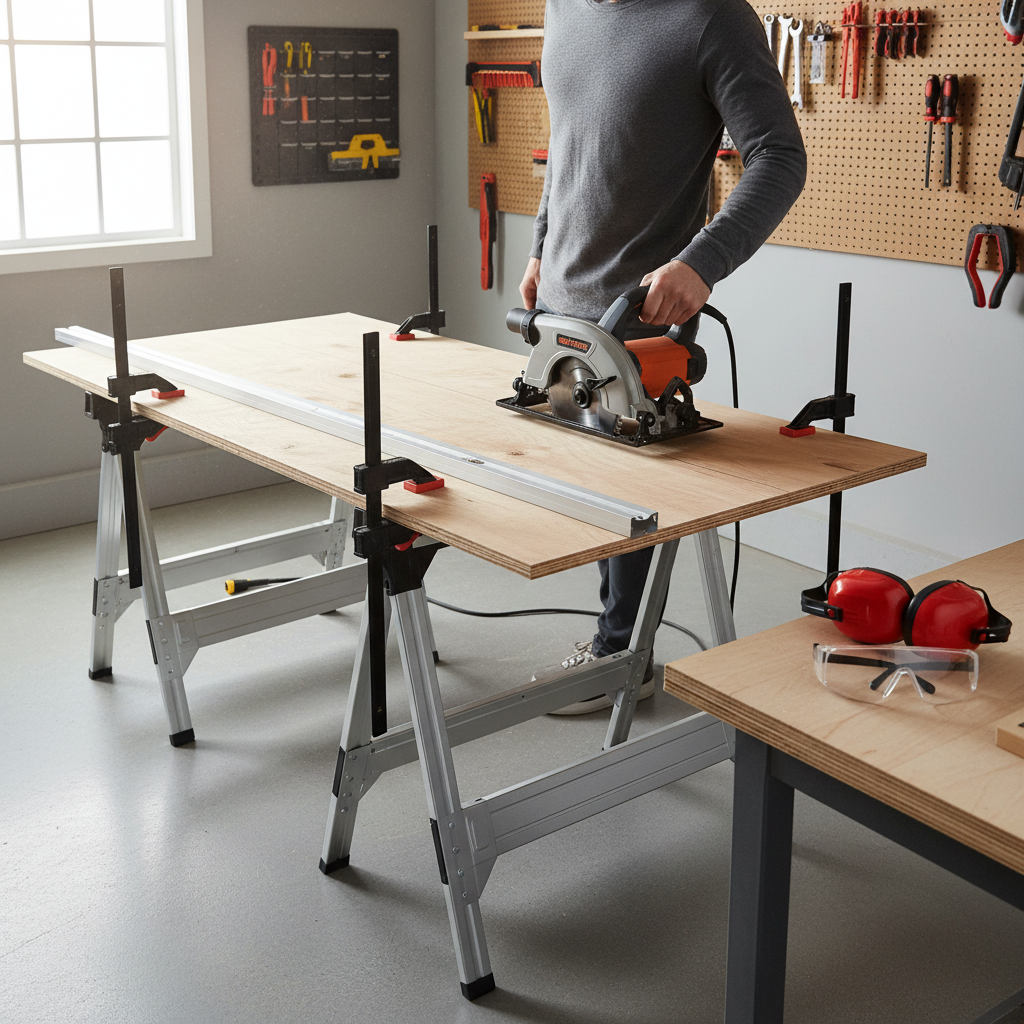
- Clamp a straight board or use a budget straightedge guide.
- Mark your cut line, then measure the offset from blade to shoe edge once, and reuse it.
Support the work to prevent binding
Binding often causes kickback, and kickback is where beginners get rattled. Support both sides of the cut so the kerf (the cut gap) doesn’t pinch the blade. If you’re unsure, ask someone experienced to watch your setup.
According to CDC (Centers for Disease Control and Prevention), power tool injuries are a meaningful source of ER visits, so treat basic PPE as non-negotiable: eye protection, hearing protection, and avoiding loose clothing. If you have any medical concerns about noise exposure or dust sensitivity, it’s reasonable to check with a healthcare professional.
Comparison table: quick picks for common beginner scenarios (2026)
This table isn’t “one saw beats all.” It’s a shortcut to match your situation to the kind of saw that usually works best.
| Beginner scenario | What to prioritize | Typical saw type | Why it tends to work |
|---|---|---|---|
| Home DIY, mostly 2x cuts | Value, stable power, easy adjustments | Corded 7-1/4 in | Consistent performance without battery cost |
| Apartment/garage, limited space | Lower weight, compact storage | Compact cordless (smaller blade) | Less bulky, easier to handle for short sessions |
| Plywood projects, shelves, cabinets | Clean cuts, visibility, good blade | 7-1/4 in with guide or entry track-style system | Guide-driven accuracy without pro complexity |
| Outdoor work, no nearby outlet | Battery platform, brake, runtime | 18V/20V cordless 6-1/2 to 7-1/4 in | Convenience beats cords for scattered cuts |
| Learning basics on a budget | Reliable guard, comfortable grip | Basic corded or value cordless kit | Lets you invest more in blades and safety gear |
Common mistakes beginners make (and what to do instead)
- Mistake: Chasing maximum power. Fix: choose comfort, guard action, and a rigid baseplate, then upgrade blades.
- Mistake: Cutting without clamping. Fix: clamp the work and the guide; your hands shouldn’t be the clamp.
- Mistake: Wrong depth setting. Fix: set the blade just below the material for better control.
- Mistake: Forcing the cut. Fix: let the blade do the work; if it bogs, your blade may be dull or wrong type.
- Mistake: Ignoring tear-out on plywood. Fix: use painter’s tape on the cut line, a fine-tooth blade, and a guide.
- Mistake: Removing or pinning the guard. Fix: keep the guard functional; if it sticks, clean it and have it serviced.
Practical “best pick” guidance: how to choose your first saw today
If you want a simple decision rule, use this:
- Choose a corded 7-1/4 in if you want the easiest path to consistent cuts for the least money.
- Choose a cordless saw if you already own batteries or you’ll also buy a drill/driver, impact driver, and other tools on the same platform.
- Spend on a better blade and a guide before you pay extra for premium features you won’t use yet.
For many households, the best circular saw for beginners ends up being the saw you’re willing to set up correctly every time, because it feels manageable and the adjustments don’t annoy you.
Conclusion: a safe, smart first circular saw setup
You don’t need the fanciest model to get good results. A beginner-friendly saw is comfortable, predictable, and paired with a decent blade, a straightedge guide, and basic PPE.
If you’re choosing this week, decide corded vs cordless based on where you work, then use the in-store checklist to confirm the saw feels right. After that, put your budget into a blade that matches your material, and practice on scrap until the cuts feel boring, boring is good.
Next step: pick one small project, buy the right blade for that material, and commit to using a clamped guide for your first 10 straight cuts.
Key takeaways
- Control beats power for first-time users, especially on sheet goods.
- A better blade often improves results more than a pricier saw.
- Guides and proper support reduce binding, which reduces kickback risk.
- If anything about your setup feels unstable, pause and ask a knowledgeable person to review it.
FAQ
- What size circular saw is easiest for a beginner?
Many beginners do well with a 7-1/4 in saw because it’s common, stable, and has broad blade options. If weight is a concern, a smaller cordless saw can feel easier, but it may limit cut depth. - Is a left-blade or right-blade circular saw better for beginners?
It depends on your dominant hand and what you like seeing while you cut. Many right-handed users prefer seeing the blade on a left-blade saw, but comfort and sightline matter more than the label. - Do I need a track saw instead of a circular saw for plywood?
Not necessarily. A circular saw with a straightedge guide can handle many plywood cuts cleanly. Track saws add convenience and accuracy, but they’re a bigger buy. - What’s the safest way to start a cut with a circular saw?
Get full support and clamping, align the shoe to your guide, start the saw before touching the wood, then ease into the cut. If the guard catches or the saw twists, stop and reset. - Why does my circular saw burn the wood?
Common causes include a dull blade, wrong blade type, pushing too slowly, or the wood pinching the blade. Try a sharper blade and better support first, then check alignment. - How many batteries do I need for a cordless circular saw?
For casual DIY, one good battery can work, but two makes life easier so you can charge one while using the other. Runtime varies a lot by material and cut length. - What PPE should beginners wear when using a circular saw?
Eye and hearing protection are the baseline, and a dust mask may help for MDF or treated lumber. If you have health concerns around dust or noise, consider checking with a professional.