Best tool sharpener for all tools is usually the one that matches your mix of blades, your skill level, and how much time you’ll actually spend maintaining edges, because no single device treats chisels, mower blades, and kitchen knives exactly the same. If you’ve bought a “universal” sharpener before, you probably learned the hard way that it may work great on one tool and barely help on another.
Sharpening sounds simple, but real life gets messy, mixed steel types, damaged edges, the wrong angle, and suddenly your “quick tune-up” becomes a weekend project. A good setup saves money, keeps tools safer to use, and avoids that frustrating half-sharp edge that still tears wood or leaves ragged grass.
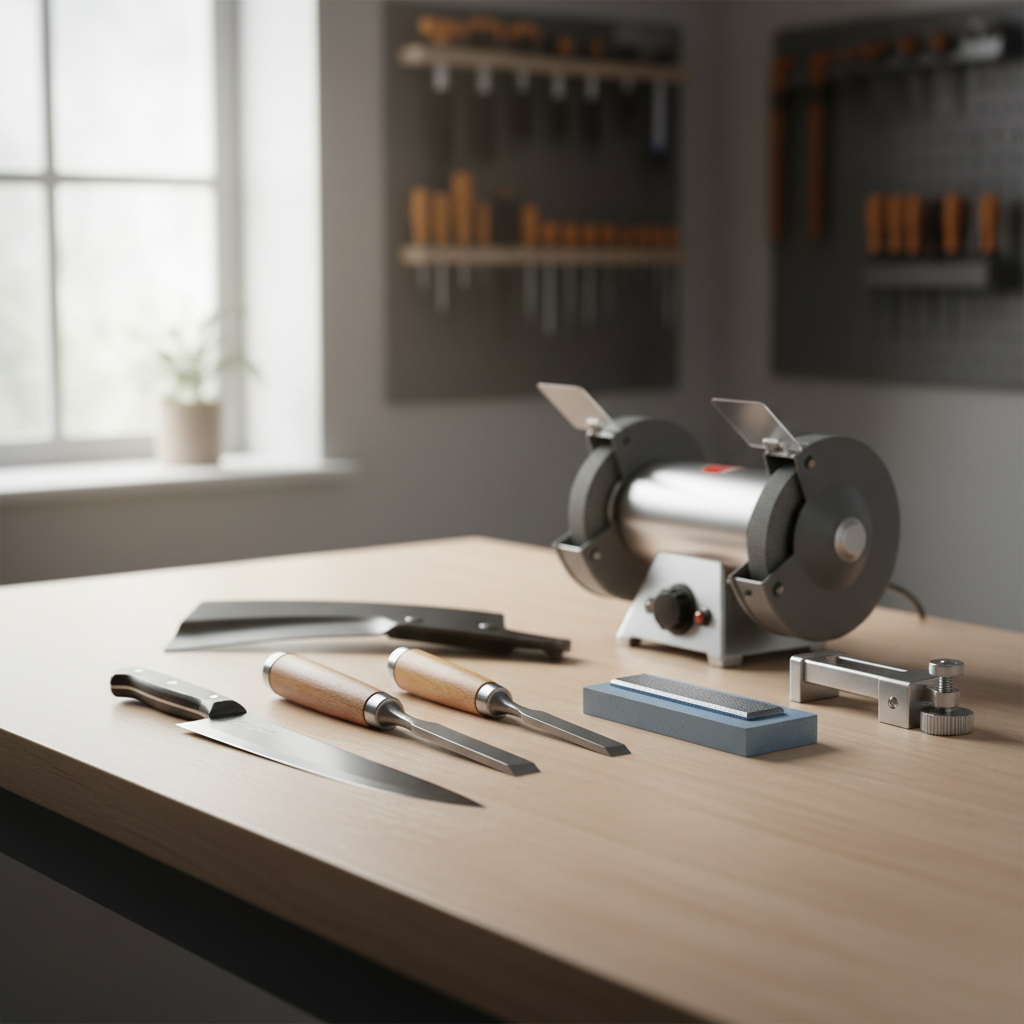
This guide focuses on making a smart, 2026-ready choice: what “all tools” realistically means, which sharpener styles cover the most ground, and when a small two-tool kit beats any all-in-one gadget. You’ll also get a quick decision checklist, a comparison table, and a few practical routines that keep edges sharp without overthinking it.
What “all tools” really means (and why most buyers get stuck)
When people search for the best tool sharpener for all tools, they usually mean a solution that covers most of these: straight blades (chisels, plane irons), knives, garden pruners, axes, and maybe mower blades. The problem is each category prefers different abrasives, angles, and sometimes different machines.
- Knives: many want consistent angles, minimal metal removal, clean burr removal.
- Woodworking edges: benefit from precise angles and flat backs, which push you toward stones and guides.
- Outdoor/garden tools: often need fast reshaping and durability more than mirror polish.
- Mower blades: large, thick steel, usually fine with a serviceable edge rather than razor sharp.
So “all tools” often becomes “most of my tools with minimal switching.” Once you accept that, picking the right combo gets easier.
The main sharpener types in 2026: strengths, limits, and who they fit
There are four setups that cover most households and small shops. If you’re shopping for the best tool sharpener for all tools, start by choosing the category that matches your patience level and tool mix.
1) Diamond stones (or diamond plates)
Fast cutting, low maintenance, and they stay flat longer than many water stones. They work well on knives and shop tools, and can handle tough steels in many cases. They’re less pleasant on very large blades, simply because it’s awkward.
2) Guided sharpening systems
Great for repeatable knife angles and consistent results for people who hate guessing. Many are knife-focused, so they may not accept odd shapes like axes or thick mower blades.
3) Belt sharpeners
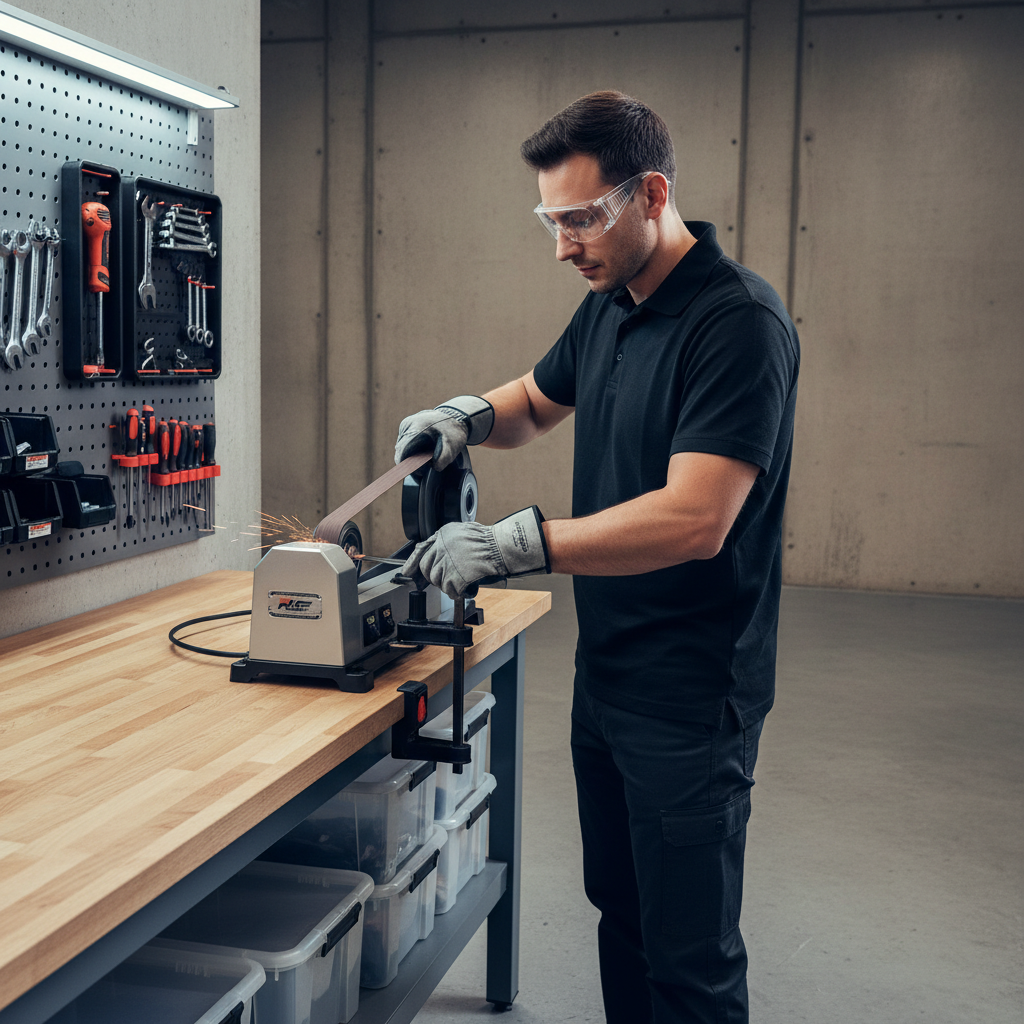
Belts shine for speed and versatility, knives, axes, pruners, even light reshaping. But they’re also easier to overheat an edge or round a bevel if you push too hard. If you want one powered tool that does a lot, belts are high on the list.
4) Bench grinders (with the right wheels)
Grinders are for repairs and heavy reshaping. They’re not automatically a sharpening solution unless you pair them with appropriate wheels and technique, and keep heat under control. For mower blades, they’re common; for fine edges, you need restraint.
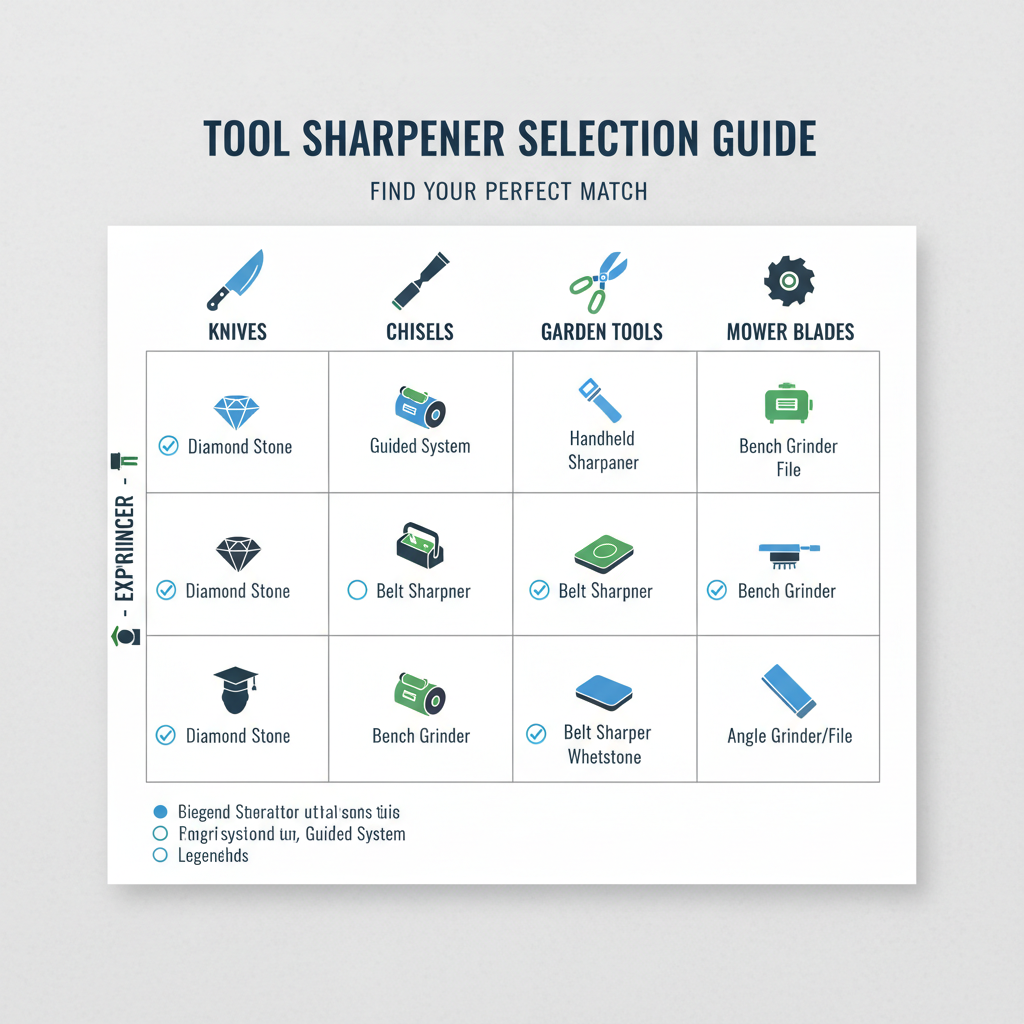
Quick comparison table: which option covers which tools?
Use this as a reality check, not a promise. Brands vary, and attachments change what a system can do.
| Sharpener type | Best at | Usually struggles with | Good fit if you... |
|---|---|---|---|
| Diamond stones/plates | Chisels, plane irons, knives (manual control) | Mower blades, fast reprofiling | Want precise edges and don’t mind practice |
| Guided system | Knives (repeatable angle, clean finish) | Axes, pruners, large tools | Care most about knives and consistency |
| Belt sharpener | Knives, axes, garden tools, quick touch-ups | Ultra-flat woodworking backs | Want speed and broad versatility |
| Bench grinder | Repairs, mower blades, reshaping | Fine knife edges without skill | Need power for heavy steel and damage |
Self-check: how to pick the best setup for your garage or shop
Before buying anything, answer these honestly. This is where most “wrong purchases” start, people shop for a fantasy routine they won’t keep.
- Your top 3 tools to sharpen most often: knife set, chisels, pruners, mower blade, hatchet, etc.
- What happens to your edges? light dulling, chips, rolls, or major damage.
- How much time per month feels realistic? 10 minutes, 30 minutes, 2 hours.
- Comfort with freehand angles: yes, sort of, no.
- Space and power: apartment kitchen only, garage bench, full shop.
If your list includes both woodworking edges and outdoor tools, a single “universal” unit often disappoints. In many cases, a two-part approach gives better results: one method for precision edges, another for rough-and-tough tools.
Practical “all-tools” recommendations (by scenario, not by hype)
Instead of pretending one device wins everything, here are setups that tend to satisfy most people searching for the best tool sharpener for all tools, depending on what you actually sharpen.
Scenario A: You sharpen everything, but you want minimal fuss
- Belt sharpener for knives, axes, pruners, general touch-ups
- Small diamond plate for quick finishing passes or flat tools when needed
This combo covers a lot without turning sharpening into a hobby. The diamond plate also helps when the belt leaves a toothy edge and you want it calmer.
Scenario B: Woodworking matters (chisels/plane irons), but you also own yard tools
- Diamond stones/plates plus a simple honing guide for consistent angles
- File or coarse abrasive option for yard tools (axes, pruners)
- Grinder only if you repair damage often
If you’ve ever tried to freehand a chisel bevel and wondered why it won’t pare cleanly, the guide is the quiet hero. It looks boring, but it saves steel and frustration.
Scenario C: You mainly want sharp kitchen knives, occasional garden tools
- Guided knife system (repeatability is the point)
- Compact diamond plate for quick maintenance and odd shapes
This avoids buying a big machine you rarely use. It also keeps knife angles consistent, which is half the battle for most households.
How to use your sharpener without wrecking edges (simple routines)
Buying gear is easy, keeping a routine is harder. These steps reduce common mistakes across systems.
For knives (weekly or as needed)
- Start with light maintenance: a few passes on a medium abrasive beats aggressive grinding.
- Hold angle steady: guided systems help, freehand works if you slow down.
- Deburr deliberately: if the burr stays, the knife feels sharp for five minutes, then drops off.
For chisels and plane irons (when performance drops)
- Flatten the back occasionally, not forever. Get it functional, then stop chasing perfection.
- Use a guide if you value repeatability, especially on narrow chisels.
- Finish with a light polish only after the edge is truly formed.
For pruners, axes, mower blades (seasonal touch-ups)
- Prioritize a durable edge: a slightly toothy finish often bites better in fibrous material.
- Avoid overheating on power tools, if metal turns blue, hardness may drop.
- Check balance on mower blades after grinding, vibration can become a problem, if unsure, ask a small engine shop.
According to OSHA, using and maintaining tools properly helps reduce injury risk, so if you’re new to powered sharpening, eye protection and stable workholding are worth treating as non-negotiable.
Common mistakes that make a sharpener feel “bad”
- Chasing “razor sharp” on everything: mower blades and splitting axes usually don’t need a fine, polished edge.
- Using the wrong grit first: if the edge is damaged, a fine stone wastes time and encourages pressing too hard.
- Too much pressure: it rounds bevels on belts and guided systems, and it heats edges on grinders.
- Skipping the burr step: many “sharp but not sharp” complaints come from incomplete burr formation or removal.
- Ignoring tool geometry: pruners and scissors have specific bevel styles, forcing a double bevel can reduce performance.
If you want the best tool sharpener for all tools to feel truly versatile, match your expectation to the job: fast and durable for yard work, precise and repeatable for fine cutting tools.
When it’s worth getting professional help
Some sharpening problems are less about tools and more about risk and cost. Consider a pro service, or at least advice from a local shop, when:
- Knives are expensive or sentimental, and you’re not confident controlling angle and pressure.
- Chisels/plane irons keep chipping, which might point to heat damage, bad steel, or the wrong bevel angle for your work.
- Mower blades are cracked, badly bent, or heavily worn, replacement may be safer than grinding more metal.
According to the CPSC, consumer product safety guidance often emphasizes following manufacturer instructions and using protective equipment, and sharpening is one of those tasks where the small safety habits matter.
Key takeaways (the fast answer)
- One “universal” sharpener rarely excels at every tool, but a smart combo often feels close.
- Belt sharpeners tend to cover the widest mix of tools quickly, with some technique required.
- Diamond plates + a honing guide stay a strong choice for precision shop edges.
- Grinders are for heavy reshaping, not your default for fine edges.
If you’re buying for a mixed garage setup in 2026, start by listing what you sharpen most, then choose the simplest routine you’ll actually maintain. That’s the real path to the best tool sharpener for all tools, not the fanciest box.
Conclusion: picking a sharpener you’ll keep using
The best sharpening setup is the one that fits your day-to-day and keeps you out of “project mode.” If your tools range from chef’s knives to yard gear, lean toward a versatile system plus one precision option, rather than chasing a single miracle device.
If you want a clear next step, do this: write down your top five tools, pick either a belt-based solution or diamond-stone-based solution as your core, then add one accessory to cover the outliers. You’ll spend less time shopping and more time cutting cleanly.
FAQ
What is the best tool sharpener for all tools if I only want one device?
A belt sharpener is often the closest “one device” answer because it can handle knives and many outdoor tools, but it still won’t replace stones for truly flat woodworking edges.
Can I sharpen mower blades with a knife sharpener?
Usually not well. Mower blades are thick and awkward, and many knife-focused systems can’t clamp them safely or remove metal fast enough, a grinder or file is more common.
Are pull-through sharpeners okay for “all tools”?
They can help cheap knives in a pinch, but they rarely suit chisels, axes, or pruners, and they may remove more metal than needed. Most people outgrow them quickly.
Do diamond stones work on modern hard knife steels?
In many cases, yes. Diamond abrasives cut hard steels efficiently, but you still need good technique and a sensible grit progression to avoid a stubborn burr.
Why does my blade feel sharp after sharpening, then dull fast?
That often points to an incomplete burr removal or a weakened edge from too much pressure or heat. Slow down at the end and focus on clean deburring.
Is a bench grinder safe for sharpening chisels?
It can be, but it’s easy to overheat or change angles without experience. If you use a grinder, light passes and good tool support matter, and some people prefer a professional demonstration.
What grit should I start with for general tool sharpening?
It depends on damage. For light dulling, a medium abrasive is fine; for chips or reshaping, a coarse option saves time. The trick is switching grits sooner rather than pushing too hard.
If you’re sorting through options and want a more “no-regrets” path, a good approach is to choose your core system based on what you sharpen weekly, then add one secondary tool for the weird stuff like pruners or mower blades, it’s often cheaper and less frustrating than forcing an all-in-one to do everything.