Twist drill bit set high speed shopping usually turns into the same frustration: the bits look similar, the labels feel vague, and you only realize what you bought after a few snapped tips or ugly holes.
If you drill in mixed materials—wood for a weekend project, aluminum for a bracket, mild steel for repairs—the “one set fits all” promise often breaks down. Small differences like point angle, coating, and shank style change how smoothly a bit cuts, how hot it runs, and how long it stays sharp.
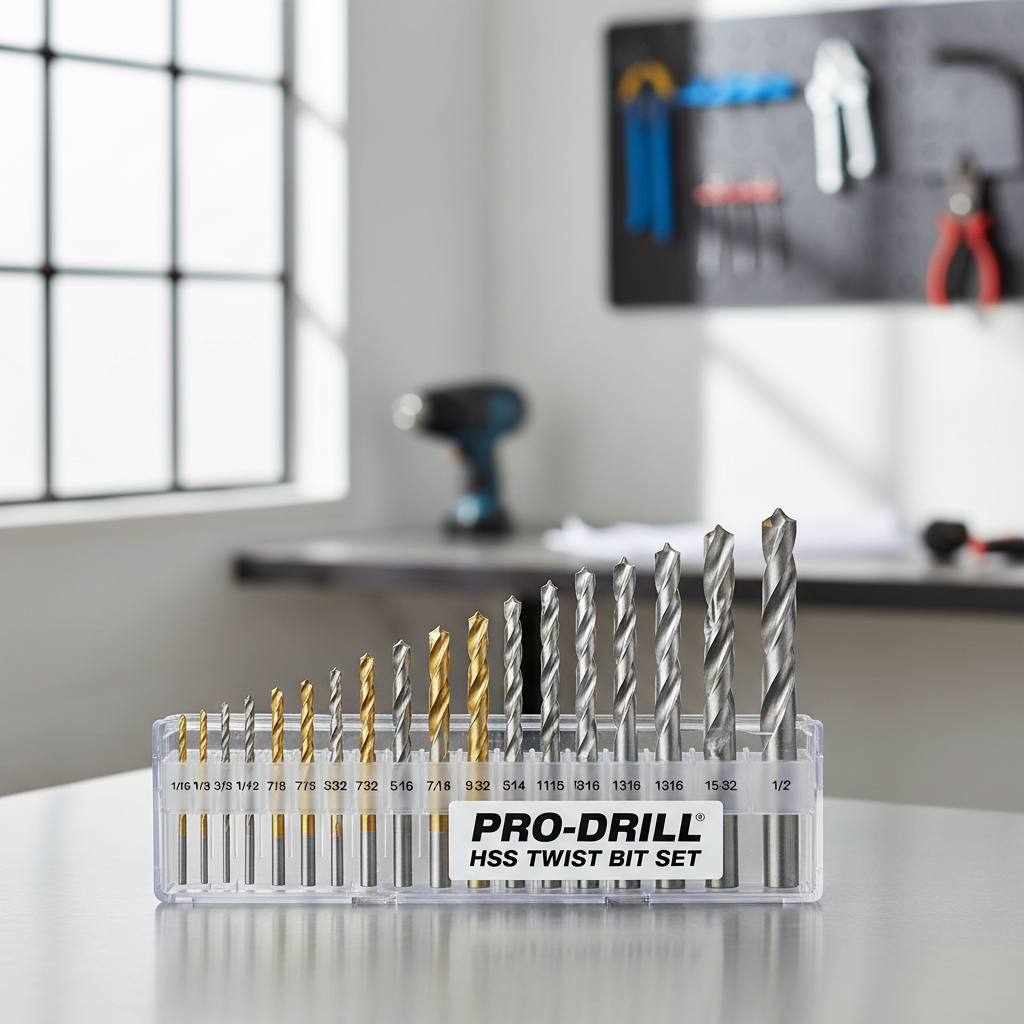
This guide stays practical: how to judge a set fast, which features actually matter for common U.S. DIY and light shop work, and what to do differently when you move from wood to metal.
What “high speed” really means in a drill bit set
“High speed” in this context usually points to HSS (High-Speed Steel), a steel family designed to keep hardness at higher temperatures than basic carbon steel. In plain terms, HSS bits tolerate heat better, which matters because drilling is mostly friction.
That said, not every HSS-labeled set performs the same. Heat resistance helps, but geometry and manufacturing quality decide whether the bit cuts cleanly or just polishes the surface and overheats.
- HSS: a solid all-around choice for wood, plastics, aluminum, and many mild steels with the right technique.
- Cobalt HSS (often M35/M42): typically better for tougher steels, stainless, and repeated metal work; usually costs more.
- Coatings (TiN, TiAlN, “black oxide”): can reduce friction and help with wear, but they do not fix poor grinding or wrong speed/feed.
According to OSHA, using the correct tool and maintaining it in safe condition is a core part of injury prevention in shops and job sites, and dull or damaged drill bits are a common “small issue” that can turn into slips, grabs, or broken fragments.
Common reasons drill bits break or holes look rough
Most problems blamed on “cheap bits” come from a mismatch between the bit, the material, and how the cut is made. The good news: you can usually improve results without buying three different sets.
Speed and pressure mismatch
Many cordless drills run fast by default. On metal, high RPM plus light pressure often creates heat without cutting, then the edge softens and chips.
- Metal drilling often prefers lower RPM and steady pressure so the bit makes chips, not dust.
- Wood can tolerate higher RPM, but tear-out and wandering become the issue.
No lubrication or wrong coolant habits
For steel and stainless, a drop of cutting oil can make the difference between a clean spiral chip and a squeal-fest that burns the edge. On aluminum, some lubricants help prevent galling, but too much can attract chips and smear if technique is sloppy.
Point geometry not suited to the job
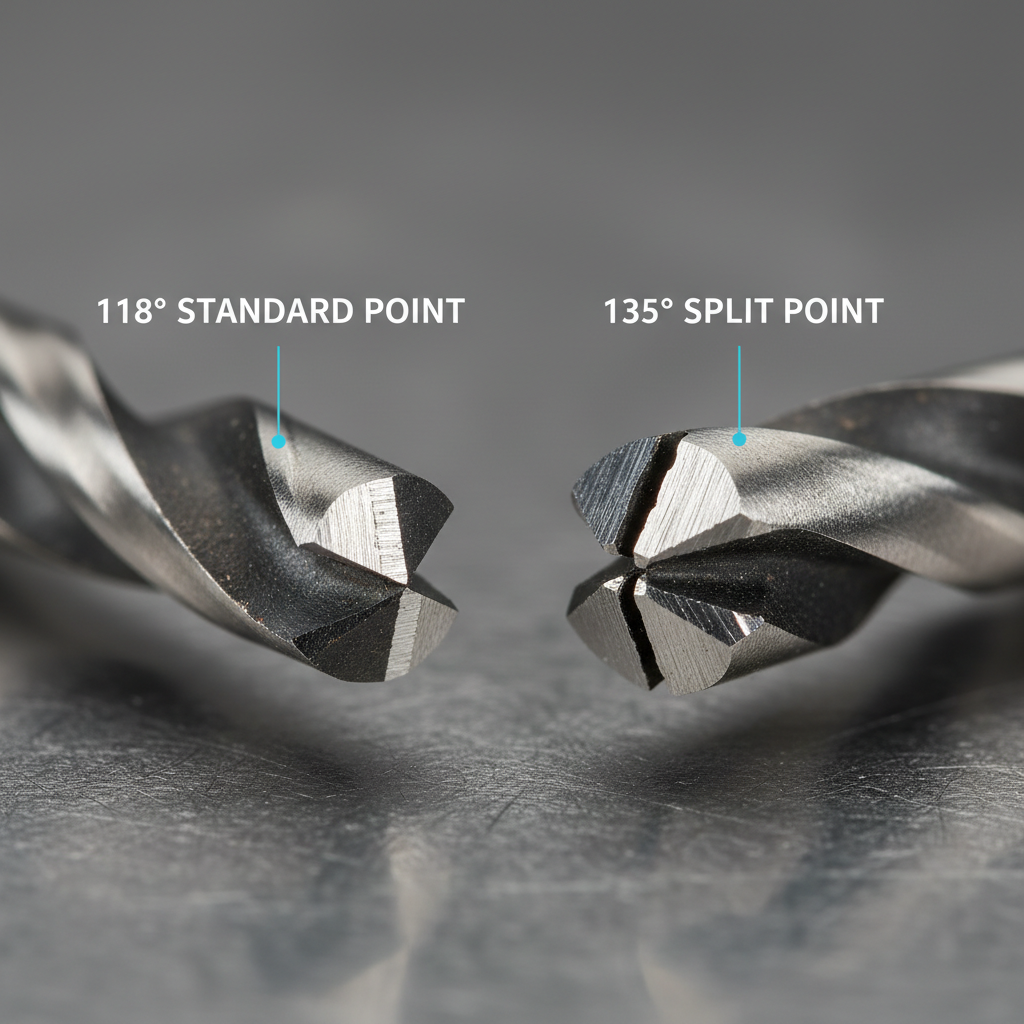
A 118° point is common and forgiving. A 135° split point tends to start with less walking on metal and can reduce the need for a center punch. But there’s nuance: a split point can feel “grabby” in thin sheet if you push too hard.
A quick checklist to choose the right set for your work
If you only have a minute to decide, this is the “editor’s shortcut” to avoid the most common regret purchases.
- Material range you actually drill: mostly wood/plastic, mixed, or mostly metal.
- Sizes included: does it cover the diameters you use, or is it packed with tiny bits you’ll never touch.
- Point style: split point helps starts on metal; standard point is fine for general work.
- Shank style: 1/4" hex for quick-change drivers, or round shank for a drill chuck; reduced shank helps larger diameters fit common chucks.
- Case and labeling: sounds boring, but clear size labels reduce wrong-bit mistakes, especially in fractional/number/letter sets.
If your projects skew toward stainless, hardened bolts, or repeated metal fabrication, jumping to cobalt HSS can be a smarter “buy once, cry less” move. If it’s mostly household drilling, standard HSS plus good technique is often enough.
Key specs that actually matter (and what to ignore)
Packaging sometimes highlights coatings and buzzwords while burying the useful details. Here’s what typically correlates with performance.
Point angle: 118° vs 135°
- 118°: general-purpose, decent in wood and mild metals, may walk more on hard surfaces.
- 135° split point: usually starts faster on metal, can reduce wandering, often nicer for hand-drilling.
Web thickness and grind quality
A well-ground bit clears chips smoothly. A poorly ground bit feels like it’s skating, squealing, or drilling off-center. You can’t always see this online, but reviews that mention “true size” and “starts straight” often point to better grinding.
Coatings: helpful, not magic
- Black oxide: can improve chip flow and reduce friction a bit; common on mid-range sets.
- TiN: can extend life in many situations, but once you sharpen the bit, the coating at the edge is gone.
- TiAlN: more heat-resistant in industrial contexts; for typical DIY drilling, technique still dominates.
Practical drilling setups by material (steps you can copy)
This is where a twist drill bit set high speed purchase pays off: matching speed, pressure, and prep to what you’re drilling.
Wood
- Mark the hole, start slow for control, then increase speed once the tip bites.
- Back up the exit side with scrap wood to reduce tear-out.
- If the bit burns in softwood, it’s often dull or you’re lingering in the hole without clearing chips.
Aluminum
- Use moderate RPM and steady pressure; aim for continuous chips, not powder.
- A small pilot hole can help on thicker stock, but avoid overly large pilots that make the main bit chatter.
- Clear chips often; aluminum can pack flutes and cause grabbing.
Mild steel
- Center punch if you need accuracy, especially with 118° points.
- Lower RPM than you think, firmer feed so it cuts.
- Add cutting oil, especially as hole depth increases.
Stainless steel (when your set claims it can)
Stainless work is where “looks fine” turns into “why is nothing happening.” Heat builds fast, and rubbing work-hardens the surface, making the next seconds even worse.
- Go slow, use cutting oil, keep pressure consistent.
- If progress stalls, stop and reassess; forcing it often chips the edge.
- Consider cobalt HSS if stainless is a regular need, not a once-a-year task.
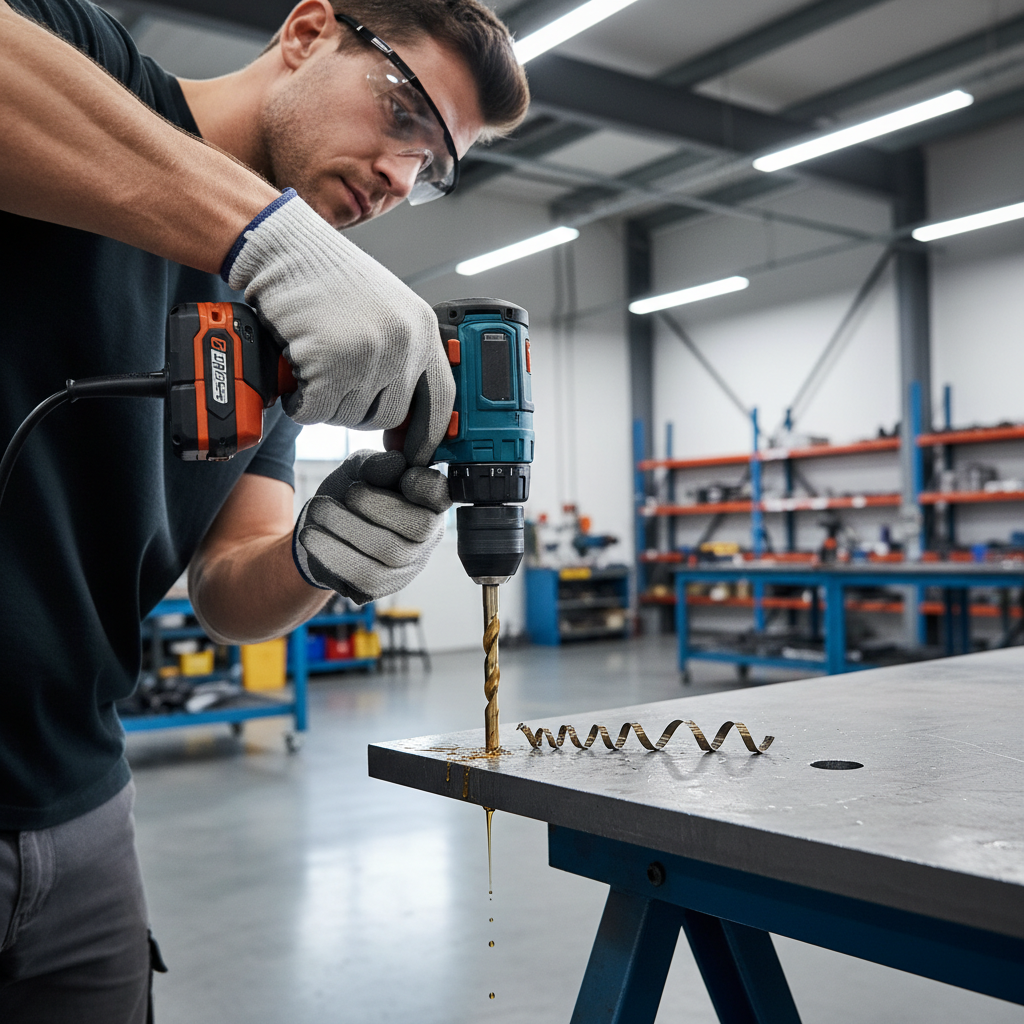
According to NIOSH, controlling flying chips and fragments is part of basic shop safety; eye protection is a common-sense step when drilling metal because chip ejection can be unpredictable, especially when a bit catches.
Comparison table: picking a set style that fits your projects
Use this as a sanity check before you buy or before you blame the set for results that are really setup issues.
| Set type | Best for | Upside | Tradeoffs |
|---|---|---|---|
| HSS 118° jobber-length | General DIY, wood + light metal | Affordable, forgiving | May wander on metal, needs punch more often |
| HSS 135° split point | Hand drilling in metal, cleaner starts | Easier starts, less walking | Can grab in thin sheet if you push too hard |
| Cobalt HSS (M35/M42) | Frequent metal work, stainless | Better heat tolerance, often longer edge life | Higher cost, still needs correct RPM and oil |
| Hex-shank multi-material set | Driver + quick-change convenience | Fast swaps, good for install work | Less size variety, sometimes shorter flute length |
Common mistakes that waste bits (and what to do instead)
- Using a dull bit because “it still drills”: swap early; dull edges create heat, heat ruins temper, then the bit dies quickly.
- Freehanding on metal with no start: a center punch or split point reduces walking and saves time.
- Leaning harder when it squeals: squeal often means rubbing; reduce RPM, add oil, keep feed steady.
- Drilling deep without clearing chips: peck drill in steps, especially in steel, to avoid binding.
- Assuming coatings equal performance: coating helps at the margins; grind quality and correct cutting conditions matter more.
Key takeaway: Most twist drill sets fail “early” because of heat and chip control, not because HSS is inherently weak.
When it’s worth getting expert help or upgrading tools
If you’re repeatedly drilling hardened steel, thick stainless, or critical holes where tolerance matters, it can be worth asking a machinist, tool supplier, or experienced fabricator what works in your exact material. In many shops, the answer isn’t just “buy better bits,” it’s also about a drill press, proper fixturing, and the right cutting fluid.
Also consider professional help if the workpiece is hard to secure or the drill angle matters for safety; a bit catching in a loose part can cause sudden rotation and injury, so clamping and setup deserve extra care.
Conclusion: buying smarter and drilling cleaner
A twist drill bit set high speed can be a solid foundation for home and shop drilling, as long as you match point style and bit material to what you cut most, then run the drill with the right speed, pressure, and chip clearing habits.
If you want one simple next step, check your most-used hole sizes and pick a set that covers them with clear labeling, then practice slower RPM on metal with cutting oil and a firm feed, that combination fixes more problems than people expect.
FAQ
- What does “high speed” mean on drill bits?
It usually means HSS, a steel designed to hold hardness at higher temperatures than carbon steel. It’s still possible to overheat HSS if RPM is too high or the bit rubs instead of cutting. - Is a 135° split point always better than 118°?
Not always. Split points often start more easily on metal, but for general wood work a standard point can be perfectly fine, and in thin sheet a split point can feel grabby if you push aggressively. - Can I drill stainless steel with a regular HSS set?
Sometimes, especially on thinner pieces, but stainless tends to punish poor technique. If stainless is frequent, cobalt HSS is often a safer bet, along with cutting oil and lower RPM. - Why do my bits turn blue?
Blue coloring usually signals overheating, which can reduce hardness at the edge. Lower RPM, add cutting oil on metal, and make sure you’re producing chips rather than rubbing. - Do coated bits last longer?
They can, particularly when friction and heat are limiting factors. But if the bit is dull, ground poorly, or used at the wrong speed, coatings won’t rescue it. - Should I use a pilot hole?
Pilot holes help accuracy and reduce load on larger bits in thicker material. In thin metal, an oversized pilot can increase chatter, so keep pilots modest and test on scrap if possible. - How do I store a drill bit set so sizes don’t get mixed up?
Use the labeled case and return bits immediately after use. If you frequently grab-and-go, consider a smaller “daily” index for your top sizes to avoid dumping the whole set.
If you’re trying to choose a set without overbuying, it helps to list the materials you drill most and the top 5 sizes you reach for, then match those to a twist drill bit set high speed option with the right point style and a case you’ll actually keep organized.