circular saw blade carbide is usually the fastest route to cleaner cuts, but “carbide” alone doesn’t guarantee a smooth edge, low tearout, or zero burn marks.
If you’ve ever looked at a freshly cut board and thought, “Why does this look fuzzy, chipped, or scorched,” you’re not alone. In real shops, clean cuts come from a mix of blade geometry, tooth count, saw setup, and how you feed the tool through the material.
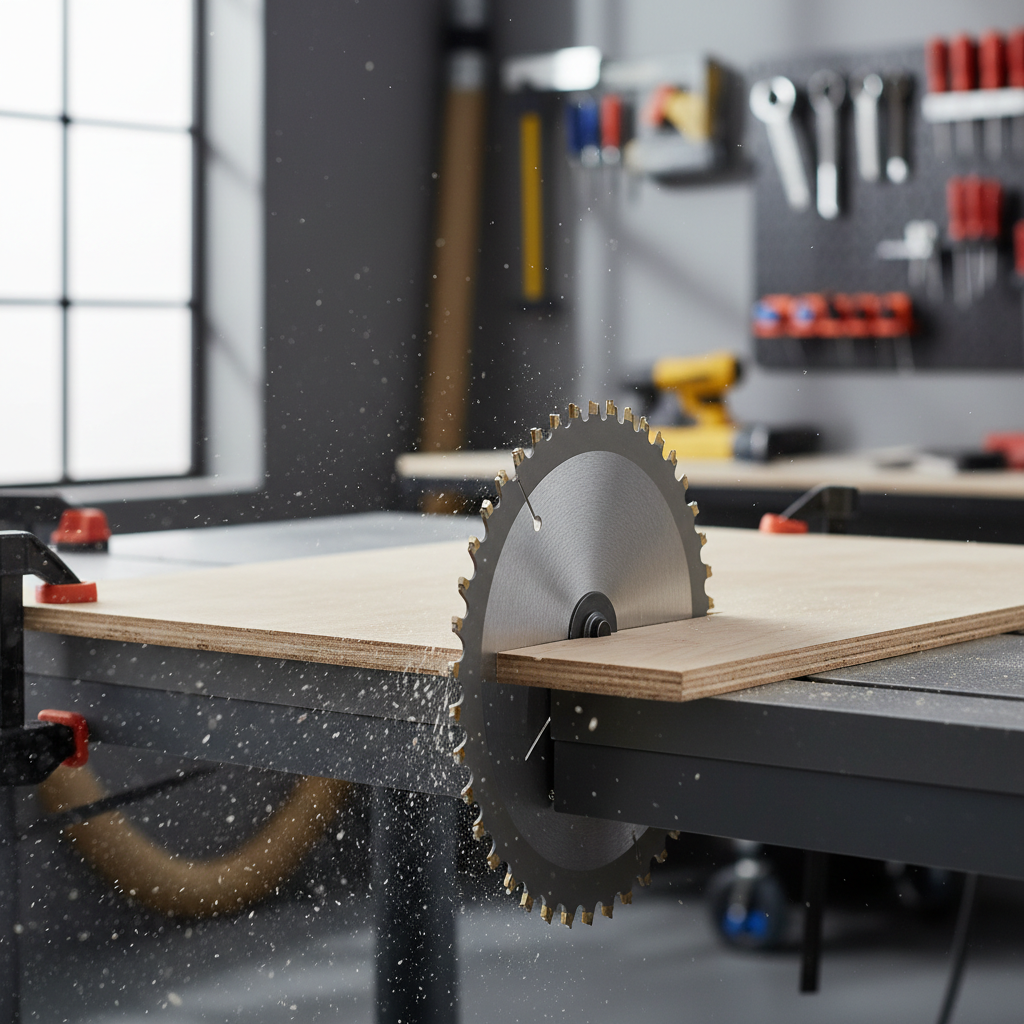
This guide breaks down what actually drives cut quality, how to match a carbide-tipped blade to your material, and what to adjust when your cuts still look rough. You’ll also get a quick checklist, a comparison table, and practical steps you can use the same day.
Why “carbide” helps, and why it still can fail
Carbide tips stay sharp longer than basic steel teeth, which is why most wood and trim blades lean on carbide. Sharper teeth typically mean less tearing and less heat, both key to a clean edge.
- Edge retention: carbide tends to hold an edge through more cuts, especially in plywood, MDF, and composite materials.
- Heat tolerance: it usually handles friction better, which can reduce burning when your setup is right.
- Consistent geometry: quality blades keep tooth shape longer, so cut quality stays predictable.
But clean cuts can still fall apart if the tooth count is wrong, the blade is dull or gummed up, your saw is out of alignment, or the material isn’t supported well. Many “bad blade” complaints are really setup or technique issues.
Blade anatomy that actually affects cut quality
When you shop for a circular saw blade carbide model, pay attention to the details that control how the teeth enter and exit the wood.
Tooth count and cut direction
- Ripping (with the grain): fewer teeth often clear chips faster and reduce bogging, but the surface can look rougher.
- Crosscutting (across the grain): more teeth usually shear fibers cleaner.
- Plywood/veneers: higher tooth counts often help reduce splintering on the face veneer.
Tooth grind (ATB, TCG, and friends)
- ATB (Alternate Top Bevel): common for wood, usually good for smooth crosscuts.
- Hi-ATB: more aggressive shearing action, often used for plywood and melamine, but can be more fragile in abrasive materials.
- TCG (Triple Chip Grind): often used for laminates, plastics, and non-ferrous metals; tends to resist chipping in brittle surfaces.
Hook angle and “how grabby” the cut feels
Hook angle influences feed pressure and surface finish. A more aggressive hook can cut fast, but it may increase tearout in delicate veneers if you rush. A lower or negative hook is sometimes preferred for cleaner control in certain saw types and materials.
Quick comparison table: which carbide blade fits your job?
If you’re deciding between a couple blades at the store, this is the practical shortcut most people want.
| Material / Task | What to look for | What you’ll typically get |
|---|---|---|
| Framing lumber, fast rip cuts | Lower tooth count, rip-oriented geometry | Speed, acceptable roughness, less heat buildup |
| Hardwood crosscuts | Higher tooth count, ATB grind | Smoother end grain, less breakout |
| Plywood (cabinet-grade) | High tooth count, Hi-ATB or plywood-specific blade | Cleaner face veneer, reduced splintering |
| Melamine / laminate | TCG grind, high tooth count | Less chipping on brittle surfaces |
| Pressure-treated lumber | Durable carbide, easy-to-clean design | More resin buildup, needs frequent cleaning |

Key point: if “clean cuts” is the priority, a general-purpose blade can be fine, but a task-specific blade (plywood/laminate/finish) usually makes the result easier to achieve with less fiddling.
Self-check: why your cuts aren’t clean (fast diagnosis)
Before buying another blade, run through this list. It catches most real-world causes of tearout and burning.
- Blade condition: does it feel slow, smell like burning, or leave scorch marks? It may be dull or dirty.
- Pitch/resin buildup: are the teeth dark or sticky? Gunk can mimic a dull edge.
- Wrong blade for the material: plywood with a framing blade often chips, melamine with a wood blade often explodes at the edge.
- Wobble/runout: does the blade “sing,” vibrate, or leave washboard marks? Check arbor, flange, and blade flatness.
- Support and clamping: is the offcut dropping, pinching, or flexing? That can cause splintering and kickback risk.
- Feed rate: pushing too fast can tear fibers, too slow can overheat and burn.
According to OSHA, using the right blade and maintaining tools is part of safe operation practices, especially because binding and kickback can happen when a blade is forced or pinched. If you’re not confident in your setup, it’s reasonable to ask a more experienced operator or a supervisor to double-check.
How to get cleaner cuts: setup and technique that matter
This is the “shop floor” part: small adjustments that often beat buying a more expensive blade.
1) Set the blade depth correctly
A common rule is to set the blade so the carbide tips clear the bottom of the material slightly. Too deep can increase tearout and feel harsher, too shallow can rub and heat up.
2) Use the right face orientation and scoring strategy
- Plywood and veneered panels: if your saw cuts upward on the top face, splintering often shows on the top. Blue tape, a zero-clearance guide, or a light scoring pass can help.
- Melamine: consider a laminate-oriented blade and support both sides of the cut line, chipping usually starts where the tooth exits.
3) Stabilize the workpiece to avoid pinch
Clean cuts and safe cuts overlap. Support the sheet or board so the kerf does not close on the blade, and clamp a straightedge if you need a track-like guide.
4) Match feed speed to the sound of the cut
If the motor bogs, you’re probably pushing too hard or the blade is wrong. If the blade whines and the edge burns, you may be feeding too slowly, the blade is dirty, or the teeth are dull.

5) Keep the blade clean, not just sharp
Pitch buildup is sneaky. Cleaning a circular saw blade carbide unit with a blade cleaner can restore performance when the teeth still have life. If you’re unsure what chemicals are safe, follow the blade maker’s guidance and local disposal rules.
Common mistakes that create tearout (even with a good carbide blade)
- Buying “more teeth” without thinking: ultra-high tooth count can overheat in thick hardwood if your saw struggles.
- Assuming all carbide is equal: carbide grade, tooth brazing quality, and plate flatness vary a lot by manufacturer.
- Ignoring the saw itself: a worn arbor bearing or damaged flange can cause wobble that no premium blade can hide.
- Cutting unsupported sheet goods: fibers tear when the panel vibrates or drops at the end of the cut.
- Forgetting the “show face” rule: splintering usually appears on the exit side of the tooth path, plan the orientation.
Practical reminder: if you only need furniture-grade edges occasionally, a dedicated finish blade plus a simple straightedge guide often beats trying to “muscle” perfect results out of a general-purpose blade.
When to replace, sharpen, or ask for help
If your cuts stay rough after cleaning the blade and tuning technique, you may be looking at a blade that’s truly dull, damaged teeth, or a saw alignment issue.
- Replace: missing carbide tips, cracked plate, or repeated burning even after cleaning and proper feed.
- Sharpen: quality carbide blades can often be resharpened, though it’s not always cost-effective for entry-level blades.
- Get professional help: persistent vibration, unusual noise, or binding may indicate a mechanical problem; a tool service center can check runout and bearings.
For safety concerns such as repeated kickback events or binding, it’s smart to pause and consult a qualified technician or experienced tradesperson. This is one of those areas where “try one more cut” can turn into a bad day.
Conclusion: clean cuts come from the blade and the system
Clean results are very achievable with the right circular saw blade carbide option, but the blade works best when the saw runs true, the material is supported, and your feed rate stays steady. If you want the quickest win, start with a material-specific carbide blade, clean it regularly, and add a straightedge or track-style guide when precision matters.
Action you can take today: check for pitch buildup, confirm blade depth, and make a test cut in scrap while adjusting feed speed until the cut sounds smooth and the edge looks crisp.
FAQ
What tooth count is best for clean cuts with a carbide circular saw blade?
It depends on material and thickness. More teeth often helps on plywood and crosscuts, while fewer teeth can run cooler and faster in thick stock. If your saw struggles, an ultra-fine blade can burn.
Why does my carbide blade burn hardwood even when it feels sharp?
Burning often comes from slow feed, resin buildup, or slight wobble. Cleaning the teeth and confirming the blade runs flat on the arbor fixes many cases before sharpening becomes necessary.
Can I use a carbide blade for melamine or laminate boards?
Often yes, but a laminate-oriented grind like TCG usually chips less. If edges still chip, try tape or a scoring pass, and make sure the panel is well supported.
How do I reduce tearout on plywood with a circular saw?
Use a plywood/finish blade, orient the “good face” to minimize exit-side splintering, and support the sheet close to the cut. A guide rail or straightedge also reduces wandering that can worsen splintering.
Is a more expensive carbide blade always cleaner?
Not always. Better blades often stay sharp longer and run truer, but the wrong tooth geometry or poor setup can still leave rough edges. Matching the blade to the job usually matters more than price alone.
How often should I clean a carbide circular saw blade?
When you see dark buildup on teeth or notice more effort, heat, or burn marks. Frequency varies by material, pressure-treated lumber and resinous woods often require more frequent cleaning.
What’s the safest way to improve cut quality if I’m new to circular saws?
Focus on support and control: clamp the work, use a guide, keep hands clear, and avoid forcing the saw. If you’re uncertain about binding or kickback risk, consider asking a pro to walk through your setup.
If you’re trying to dial in cleaner edges without turning every cut into a troubleshooting session, a purpose-built carbide blade for your material plus a simple guide setup is usually the most “effort-to-results” friendly path, and it scales whether you’re doing weekend projects or repeat work.