Dust mask respirator disposable options for sanding look similar on the shelf, but they don’t perform the same once you start making fine dust, especially from hardwoods, MDF, drywall, or old finishes. The right choice comes down to the hazard level, the mask’s filtration rating, and whether it seals to your face without leaking.
If you sand often, this is more than a comfort issue. Fine particles can irritate your airways, trigger allergies or asthma symptoms, and in some cases create long-term exposure concerns. The annoying part is that many “dust masks” fail for simple reasons: wrong rating, bad fit, or using the mask past its useful life.
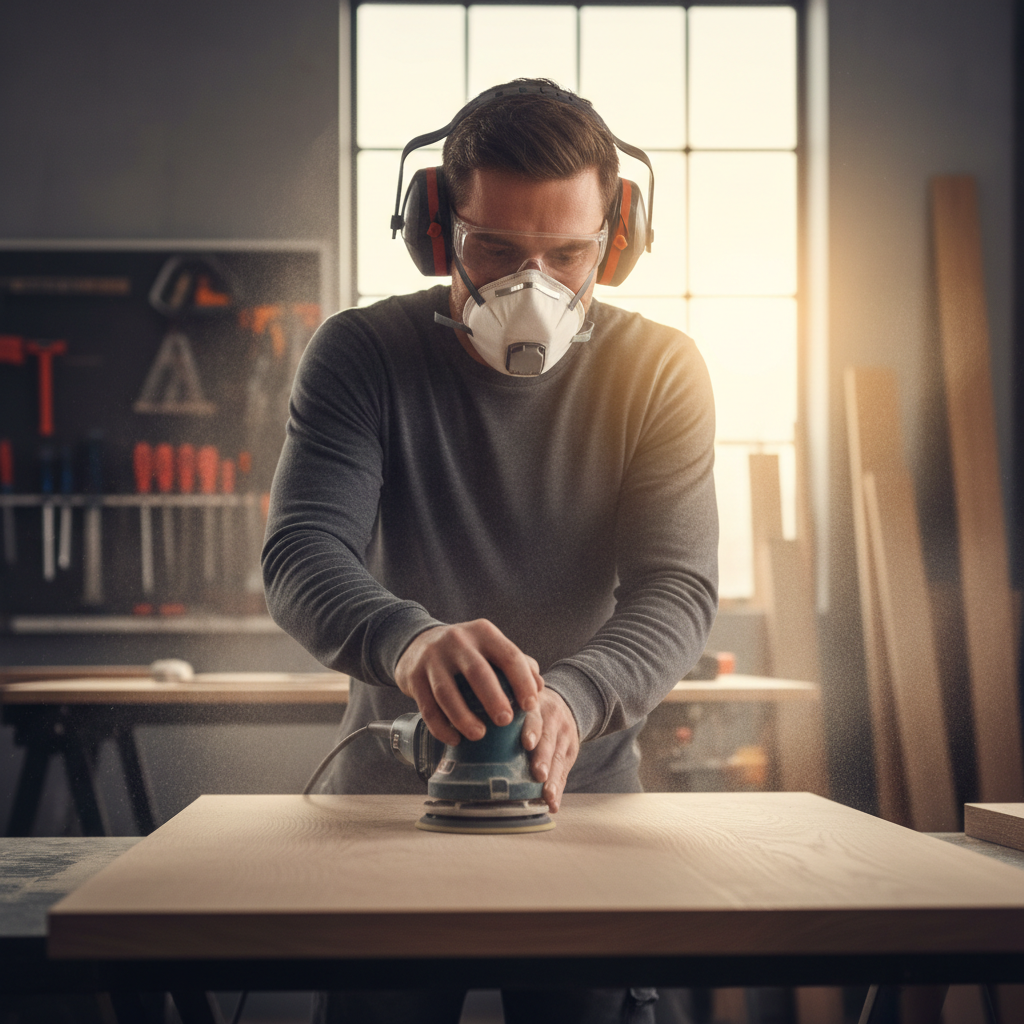
Below is a practical guide to picking a disposable respirator for sanding, checking your fit, and building a routine that actually reduces exposure without turning your project into a science experiment.
What sanding dust really is (and why “just a little” adds up)
Sanding creates a mix of particle sizes. The stuff you see floating is only part of the story, the finer particles can stay airborne longer and travel deeper into your respiratory system. Different materials also behave differently.
- Solid wood: often nuisance dust, but still irritating, some species are more sensitizing.
- MDF/particleboard: very fine dust plus resin binders, often harsher on breathing comfort.
- Drywall joint compound: extremely fine, messy, tends to overwhelm low-grade masks.
- Old paint/finishes: may contain unknowns; for older homes, lead is a possibility and needs special precautions.
According to NIOSH (National Institute for Occupational Safety and Health), respirators must be selected and used correctly to reduce inhalation exposure, and fit is a key part of achieving intended protection.
Disposable ratings that matter: N95 vs P95 vs P100 (simple translation)
When people search for a dust mask respirator disposable, they usually want something “better than a paper mask” without going full industrial. Ratings help, but only if you read them the right way.
N, R, P: oil resistance (yes, it can matter in shops)
- N: Not resistant to oil. Common for general wood sanding.
- R: Somewhat resistant to oil. Less common in disposable facepieces.
- P: Oil proof. Useful where oily mists can exist, often seen in higher protection setups.
95 / 99 / 100: filtration efficiency
- 95: filters at least 95% of test particles (when sealed and used properly).
- 100: filters at least 99.97% (often called HEPA-level efficiency in casual conversation).
For most DIY sanding in a well-ventilated area, an N95 disposable respirator is a common baseline. If you’re sanding a lot of MDF, doing overhead drywall work, or you’re very sensitive to dust, many people step up to P95 or P100 styles for extra margin, assuming they can still get a good seal.
Quick comparison table: choosing a disposable respirator for sanding
This table won’t replace a jobsite safety assessment, but it helps you pick a sensible starting point based on typical home and shop scenarios.
| Scenario | Dust behavior | Common disposable choice | Notes |
|---|---|---|---|
| Light wood sanding (hand sanding) | Lower volume, intermittent | N95 | Still prioritize fit and ventilation |
| Power sanding hardwood | Higher volume, continuous | N95 or P95 | Consider a valved model for comfort if allowed |
| MDF/engineered wood sanding | Very fine, heavy cloud | P95 or P100 | Dust extraction helps more than “stronger mask” alone |
| Drywall sanding | Extremely fine, persistent | N95 minimum, often P100 | Frequent breaks to clear dust, replace sooner |
| Unknown old coatings | Uncertain hazard | At least N95; often escalate | For lead/asbestos concerns, consult a pro |
Fit is the whole game: a 2-minute self-check that catches most failures
A dust mask respirator disposable can have a great rating and still leak if it doesn’t seal to your face. In real life, leaks happen around the nose, cheeks, and chin.
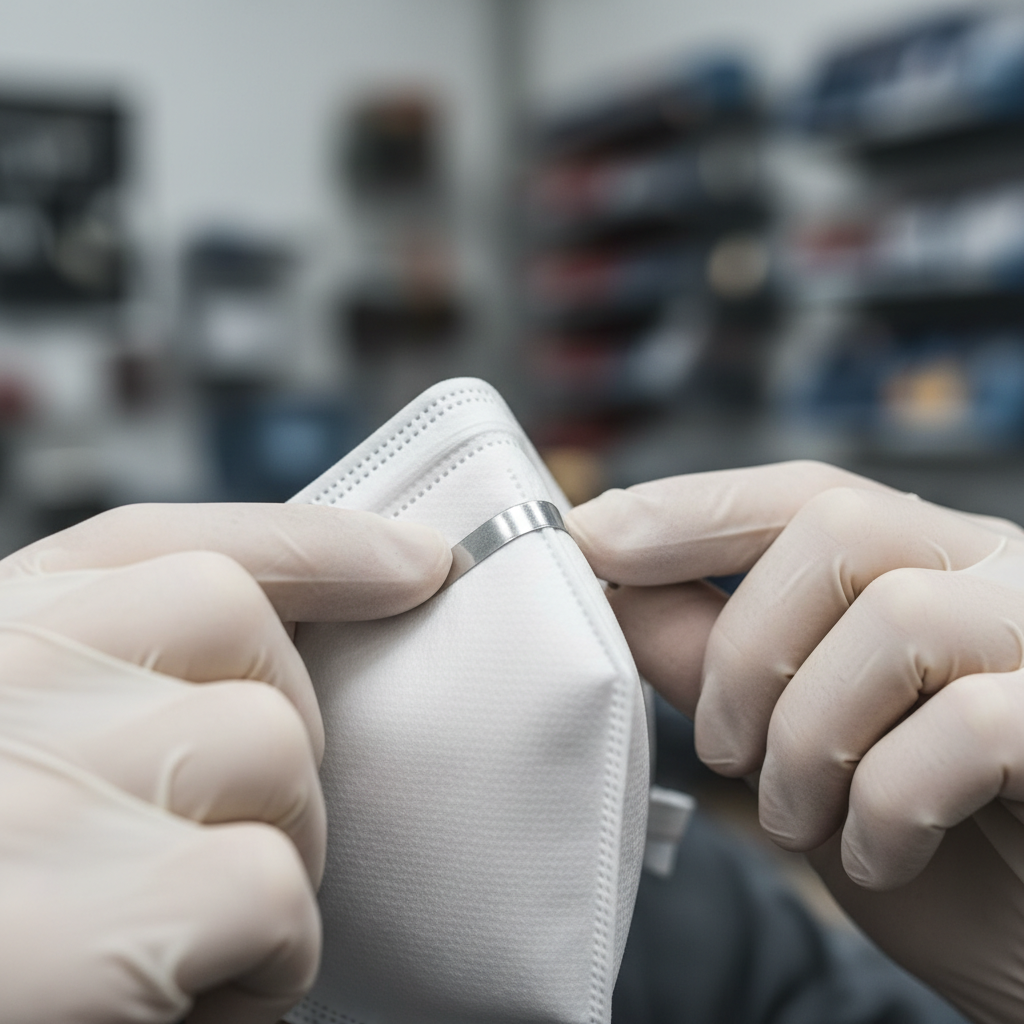
Try this quick routine each time you put one on, especially if you’re moving between tasks.
- Straps: one high on the crown, one below the ears, not twisted.
- Nose clip: press and mold with two hands, don’t pinch with one finger.
- Seal check (inhale): inhale sharply, mask should pull slightly toward your face.
- Seal check (exhale): exhale, feel for air leaks near nose/cheeks.
- Movement test: turn your head, talk briefly, if it shifts, readjust.
Also, be honest about facial hair. According to OSHA, tight-fitting respirators generally require a proper seal, and facial hair at the sealing surface can interfere. If shaving is not an option, you may need a different type of protection and should consider professional guidance.
Practical buying checklist (what to look for on the box)
Shopping gets easier when you stop looking at marketing words and focus on a few concrete features.
Key features that usually matter for sanding
- NIOSH approval: look for “NIOSH” marking and an approval label on the product.
- Rating: N95 is common, P95/P100 for heavier or finer dust scenarios.
- Shape: cup-style can feel stable, fold-flat packs easier, either can work if it seals.
- Nose foam: improves comfort and can reduce fogging for some users.
- Exhalation valve: often reduces heat buildup; may not be allowed in certain settings.
- Size options: “one size” is hit-or-miss; multiple sizes can improve seal chances.
Common “looks good, works poorly” signals
- Generic labeling with no clear approval marking
- Ear-loop style “mask” sold as a respirator without proper certification language
- Thin, floppy construction that collapses when you inhale hard
How to use a disposable respirator during sanding (so it lasts and still protects)
Most disposable respirators aren’t truly “one and done” for DIY, but they also aren’t built to be babied forever. The goal is consistent protection across the task, then sensible replacement.
A simple workflow that works for many garages and small shops
- Start clean: wash hands before handling the inside surface.
- Pair with dust control: connect a sander to a vacuum or dust extractor when possible.
- Ventilate: open doors/windows or run a fan exhausting outward, when safe for the space.
- Take “dust breaks”: stop sanding, let air clear, avoid removing the mask in the cloud.
- Store between sessions: keep it in a clean paper bag, not tossed on a bench.
Replace sooner if breathing resistance increases, straps lose tension, the nose area won’t seal, or the inside feels damp. Moisture tends to reduce comfort fast, and in many cases that’s what pushes people to wear the mask incorrectly.
Mistakes that quietly ruin protection (even with a good N95)
These are the patterns that show up again and again, especially with occasional DIY projects.
- Wearing it under the nose: comfort improves, protection drops.
- Reusing a crushed mask: once the shape warps, leaks become more likely.
- Assuming “no smell” means safe: dust and many hazards don’t have a strong odor.
- Over-trusting higher ratings: P100 doesn’t help much if the seal leaks at the nose.
- Skipping eye protection: sanding dust irritates eyes, goggles help you keep the mask on.
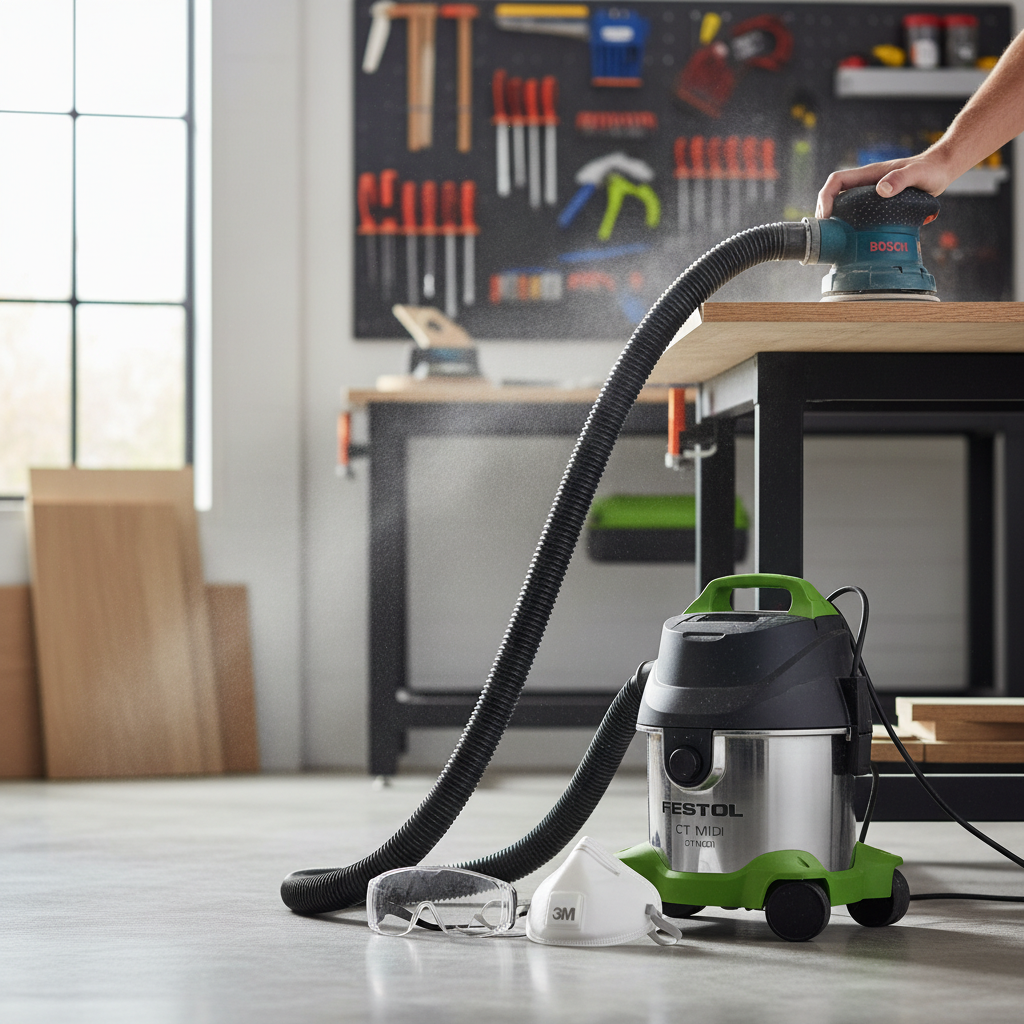
If you only fix one thing, fix fit. After that, invest energy into dust extraction, because reducing airborne dust at the source usually makes every other step easier.
When a disposable option may not be enough
There are situations where stepping beyond a dust mask respirator disposable is a reasonable move, even for homeowners.
- High-frequency sanding: daily or near-daily exposure can justify a reusable half-mask for consistent seal and lower long-term cost.
- Known hazardous dust: for example, lead paint dust concerns require specialized controls and training.
- Breathing symptoms: wheezing, chest tightness, or persistent irritation suggests you should pause and consider medical advice.
- Fit challenges: unusual face shape, facial hair, or frequent leakage may call for professional fit testing and alternative PPE.
According to the EPA, renovation work in older homes can involve lead hazards, and safe practices matter. If you suspect lead-based paint or other regulated materials, consider consulting a qualified professional rather than relying on a standard disposable mask.
Key takeaways (so you can decide fast)
- Choose the rating based on the dust: N95 for many wood tasks, P95/P100 for heavier or finer dust situations.
- Fit beats specs: a small leak can erase much of the benefit.
- Control dust at the source: vacuum extraction plus ventilation often improves real-world outcomes.
- Replace when performance changes: harder breathing, dampness, loss of seal, strap fatigue.
Conclusion: a safer sanding setup is usually one good choice plus one good habit
Pick a disposable respirator you can seal and tolerate wearing, then build one habit that keeps dust down, usually vacuum extraction or better ventilation. If you’re working with unknown old coatings, sanding daily, or noticing breathing symptoms, it’s worth stepping back and getting professional guidance before the next project.
Action step: For your next sanding job, do a quick seal check every time you put the mask on, and replace it the moment the fit or breathing resistance changes.
FAQ
What is the best dust mask respirator disposable for sanding wood?
Many people do well with a NIOSH-approved N95 for typical wood sanding, assuming it seals properly. If you create heavy fine dust or react easily, a P95 or P100 style may feel more reassuring, but fit still decides most of the real protection.
Is an N95 enough for MDF sanding?
Sometimes, but MDF tends to produce very fine, high-volume dust, so users often prefer stepping up to P95 or P100 while also improving dust extraction. If your shop fills with haze fast, source control usually matters more than upgrading one level.
How often should I replace a disposable respirator when sanding?
There isn’t one universal schedule. Replace when the seal won’t hold, breathing gets noticeably harder, the inside becomes damp, or the mask becomes dirty or misshapen.
Do respirators with exhalation valves work better for sanding?
They often feel cooler and less humid, which can help people keep them on consistently. The tradeoff is that valves may not be allowed in certain environments, so check your setting’s rules if you’re in a shared workspace.
Why does my mask fog my safety glasses during sanding?
Fogging usually indicates air leaking upward around the nose. Re-mold the nose clip using two hands, check strap placement, and consider a model with nose foam; in stubborn cases, different mask shapes fit different faces better.
Can I wear a disposable respirator with a beard?
In many cases, a tight seal becomes difficult with facial hair along the sealing surface. OSHA guidance generally emphasizes seal integrity for tight-fitting respirators, so you may need an alternative approach and should consider professional fit advice.
Do I still need a respirator if I use a shop vac or dust extractor?
Often yes. Extraction can reduce airborne dust a lot, but it rarely captures everything, especially at the start and end of a pass, during cleanup, or when sanding edges and corners.
If you’re trying to choose between a few disposable models and want a more “no guesswork” setup, start by matching the rating to your sanding material, then prioritize fit and dust extraction. That combination tends to deliver the biggest real-world improvement without overcomplicating your workflow.