pipe cutter copper plastic choices look simple, but the wrong cutter (or a slightly wrong technique) can turn a quick plumbing job into crooked cuts, crushed pipe, and fittings that never seal quite right.
If you are working on a sink supply line, a water heater swap, or a small remodel, clean cuts matter more than most people expect, because the cut quality affects deburring, fit depth, and whether your connection method behaves the way it should.
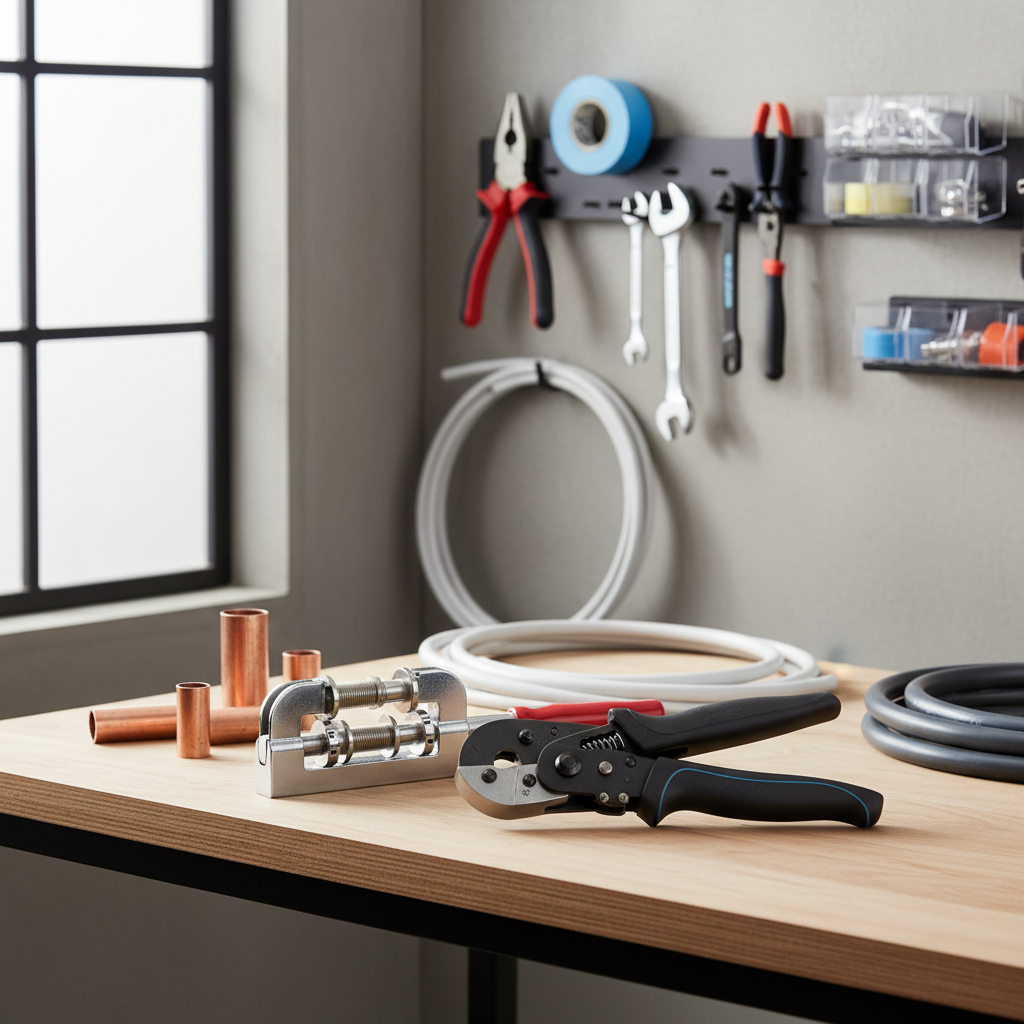
People also mix up “one tool for everything” with “one tool that does everything well.” In reality, copper and plastics behave differently under pressure, so the cutter you pick should match the material, the diameter, and how much room you have around the pipe.
This guide breaks down the common cutter types, a quick self-check to pick the right one, and the practical steps that help you avoid leaks, rework, and chewed-up pipe ends.
Why copper and plastic need different cutting approaches
Copper tubing is rigid and dents if you squeeze it wrong, while common plastics in plumbing (PEX, PVC, CPVC, sometimes ABS) can deform, splinter, or develop micro-cracks if the blade is dull or the pipe is stressed.
- Copper: a wheel-style cutter scores and gradually cuts, keeping the tube round. Sawing works, but it often leaves burrs that must be cleaned carefully.
- PEX: needs a square cut so crimp or clamp rings seat evenly. A ratcheting shear-style cutter usually gives the cleanest edge.
- PVC/CPVC: can be cut with a shear, a fine-tooth saw, or a dedicated plastic pipe cutter, but you must keep the cut square and avoid cracking the wall.
According to OSHA, hand and power tools should be maintained and used as intended to reduce injury risk, which in this context usually means sharp blades, stable footing, and not forcing a tool that is binding.
Common pipe cutter types (and what they are actually good at)
Tubing cutter (wheel cutter) for copper
This is the classic C-shaped tool with a cutting wheel and rollers. It shines on copper because it cuts without flattening the tube when used correctly.
- Best for: copper tubing (Type M/L/K), thin-wall metal tube
- Watch-outs: needs clearance to spin around the pipe, leaves a small internal ridge you should ream
Close-quarters copper cutter
Same idea as a wheel cutter, but compact. It is slower, but it fits where a full-size cutter will not, like tight wall cavities or behind cabinets.
- Best for: copper in tight spaces
- Watch-outs: patience required, keep steady pressure to avoid a wandering score line
Ratcheting plastic pipe cutter (shear)
For PEX and many smaller-diameter plastic pipes, a ratcheting cutter gives square cuts with less hand strain. This is the tool many DIYers end up using the most.
- Best for: PEX, polyethylene, some PVC/CPVC sizes depending on model
- Watch-outs: cheap or dull blades can “pinch” and ovalize softer tubing
Fine-tooth saw or miter shear for PVC/CPVC
A saw works nearly everywhere, but it is easy to cut crooked if you rush. A miter box helps you keep the cut square, which matters for solvent-weld joints.
- Best for: PVC/CPVC when access is awkward or pipe is larger
- Watch-outs: more sanding/deburring time, more plastic dust
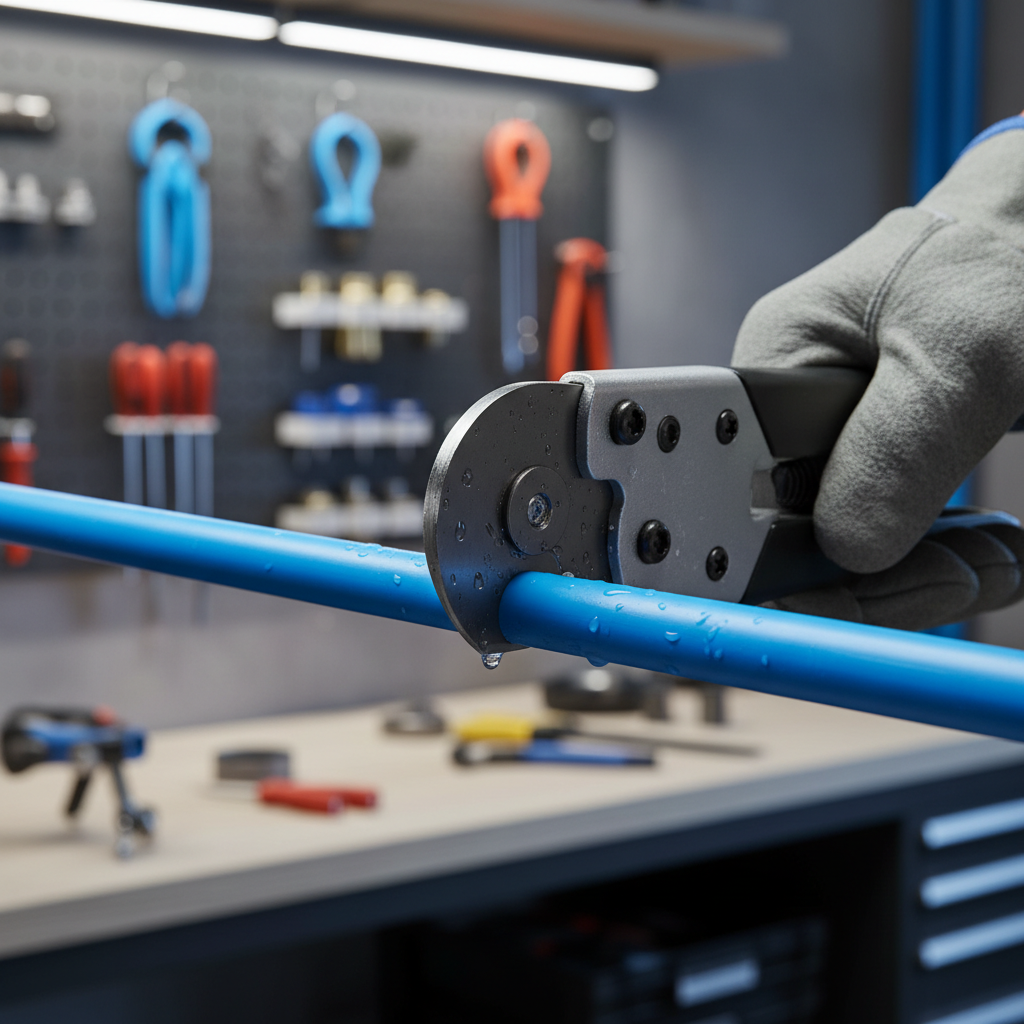
Quick self-check: choosing the right cutter in 60 seconds
If you want a fast decision, use this checklist before you buy or before you start cutting.
- Material: copper vs PEX vs PVC/CPVC, do not assume one cutter handles all
- Pipe size: check the tool’s rated diameter range, especially above 1 inch
- Space: can you rotate a wheel cutter around the pipe, or do you need close-quarters access
- Connection method: crimp/clamp needs square PEX cuts, solder needs clean copper ends, solvent cement needs square PVC/CPVC cuts and proper prep
- Volume of work: a few cuts can be manual, repeated cuts often justify a better cutter or a miter setup
At-a-glance selection table
| Pipe type | Recommended cutter | Why it works | Common mistake |
|---|---|---|---|
| Copper tubing | Wheel tubing cutter | Keeps tube round, clean edge | Over-tightening and deforming the tube |
| PEX | Ratcheting PEX cutter | Square cut for reliable ring seating | Using a dull blade that pinches the end |
| PVC/CPVC | Plastic cutter or fine-tooth saw + miter | Controls squareness for solvent welds | Skipping deburring/chamfer before cement |
| Tight spaces | Close-quarters cutter | Fits where rotation is limited | Rushing the score and getting a crooked cut |
How to cut copper cleanly (step-by-step)
If you are using a pipe cutter copper plastic kit that includes a wheel cutter, copper is where technique matters most, because you can create a slightly out-of-round end without noticing until the fitting fights you.
- Mark the cut: a simple line helps you keep the cutter from wandering.
- Seat the wheel on the mark: tighten until it touches, then just a bit more.
- Rotate and tighten gradually: spin around the pipe, tighten a quarter-turn after every couple rotations. If you crank down hard, you may dent the tube.
- Ream/deburr: use the cutter’s reamer or a separate tool to remove the internal lip, especially important for water lines where flow and turbulence matter.
- Clean the end: if soldering, clean with an abrasive pad as appropriate for your method and local code expectations.
Key point: a “fast” cut that leaves a distorted end is not fast once you are re-cutting pipe to fix a bad seal.
How to cut PEX and PVC/CPVC without crushing or cracking
Plastic can be forgiving, but it also hides damage. A slightly crushed PEX end can still slide into a fitting, then create uneven compression later, so the cut quality still matters.
PEX (crimp or clamp systems)
- Use a sharp ratcheting cutter and keep the jaws square to the tube.
- Cut in one smooth cycle, avoid nibbling the cut in multiple half-squeezes.
- Check the end: it should look flat and round, not angled or “smiled.”
- If the end is oval, you may need to re-cut, or in some setups use an approved re-rounding tool depending on the system.
PVC/CPVC (solvent-weld systems)
- Keep the cut square, a miter box helps if you are using a saw.
- Deburr and lightly chamfer: many installers do this because it helps the pipe seat without scraping off cement.
- Dry fit before cement so you know insertion depth and alignment.
According to the Copper Development Association, good tube preparation is central to reliable joints, and while they focus on copper, the bigger idea carries over: clean, properly prepared ends reduce connection problems.
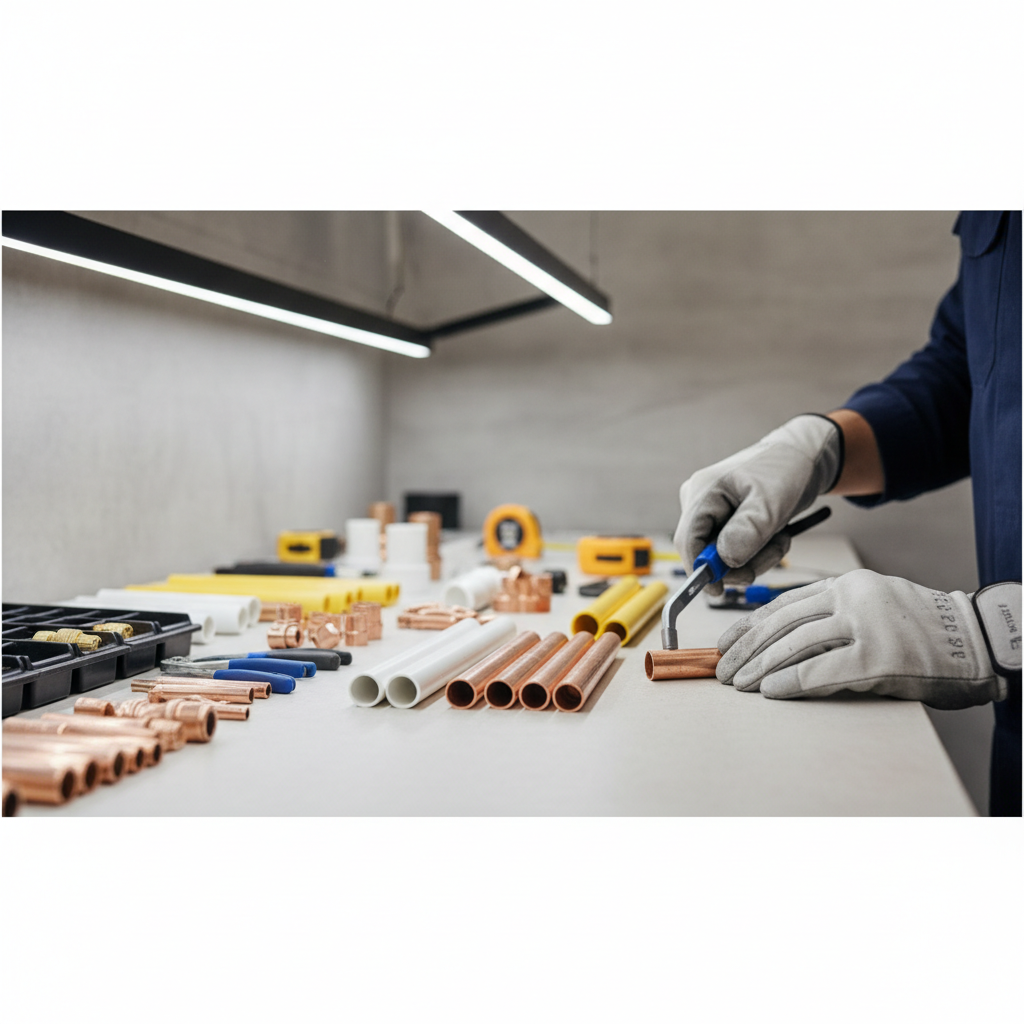
Practical workflow tips that save time on real jobs
This is the part most guides skip, but it is where you either stay on schedule or lose an hour to small mistakes.
- Measure twice, cut once, but also plan the sequence: cut the easiest access points first, leave tight cuts for after you confirm layout.
- Keep one “cleaning station”: deburring tool, sanding pad, rag. If you walk away each time, you start skipping steps.
- Replace blades sooner than you think: a fresh blade often costs less than the extra fittings you waste correcting bad cuts.
- Support the pipe: especially for longer runs of PEX or PVC, unsupported pipe flexes and encourages angled cuts.
Safety notes and common misconceptions
Cutting pipe feels low-risk until a tool slips, a blade snaps shut, or you are cutting overhead. Small habits reduce the chance of a bad day.
- Do not force a binding cutter: back off, re-align, then continue. Forcing often creates a jagged cut and can pinch fingers.
- Eye protection is sensible: chips from copper reaming or plastic sawing can fly, even on small cuts.
- “Any cutter works on PVC” is half-true: you can cut it many ways, but joint reliability depends on squareness and proper prep.
- “Tighter is better” on copper cutters often backfires, gradual tightening tends to cut cleaner.
If you are unsure about local code or you are working near electrical, gas, or structural components, it may be safer to pause and ask a licensed plumber for guidance.
When it makes sense to call a pro (or upgrade your tools)
Most small repairs are manageable, but some situations deserve extra caution or better equipment.
- You see corrosion, pinhole leaks, or brittle plastic that cracks when touched.
- The pipe is in a cramped wall cavity and you cannot get a square cut safely.
- You are transitioning materials and are not sure which fittings are approved in your area.
- The job involves main shutoff changes, water heater piping, or anything where a leak could cause significant damage.
In many cases, the smarter “upgrade” is not a bigger kit, it is the right tool for the specific material: a reliable wheel cutter for copper and a sharp shear for PEX, rather than one compromise tool.
Key takeaways (keep this short list handy)
- Match the cutter to the pipe: copper likes wheel cutters, PEX likes shears, PVC/CPVC needs square cuts and proper edge prep.
- Cut quality drives joint quality: deburring and squareness are not optional if you want fewer leaks and callbacks.
- Technique beats strength: gradual tightening on copper and clean single-cycle cuts on PEX reduce damage.
Conclusion: choose the tool that protects the pipe
A good pipe cutter copper plastic setup is less about owning every tool and more about making cuts that keep the pipe round, square, and easy to join. If you make one change, make it this: slow down on the cut, speed up on the prep, because clean ends pay you back when fittings slide on smoothly and seals behave the way they should.
If you have a project coming up, pick the cutter based on material and access, test on a scrap piece, then commit to the run. That quick trial cut can save you from redoing the hardest section in the tightest spot.
FAQ
Can one tool cut both copper and plastic pipe well?
Some multi-purpose kits can handle both, but “well” depends on pipe type and size. Many people get better results using a wheel cutter for copper and a shear-style cutter for PEX, because each tool supports the material differently.
Why does my copper tubing cutter leave a ridge inside the pipe?
That is common with wheel cutters because they displace material inward as they score and cut. Reaming or deburring removes the ridge so flow is smoother and fittings seat more predictably.
Is a ratcheting cutter okay for PVC?
Often yes for smaller diameters, but it depends on the cutter rating and the pipe schedule. If the pipe wall feels stiff or the cut shows stress whitening or cracking, a fine-tooth saw with a miter guide may be safer.
How do I know if my PEX cut is “square enough”?
Look at the end straight-on: the face should be flat, not angled, and the tube should stay round. If the ring or fitting looks uneven during assembly, re-cutting usually beats “making it work.”
Do I need to deburr plastic pipe too?
Many installers do, especially on PVC/CPVC, because burrs can interfere with seating depth and may scrape solvent cement during insertion. A quick deburr and light chamfer tends to make assembly more consistent.
What pipe sizes are hardest to cut cleanly with hand tools?
As diameter increases, keeping cuts square gets harder and the effort goes up. Larger PVC often benefits from a saw plus a guide, and larger copper may need a sturdier cutter, good clearance, and more patience.
My cutter keeps walking off the mark, what am I doing wrong?
Usually the tool is not square to the pipe, or you tightened too hard too quickly. Reset on the mark, tighten lightly, make a couple rotations to establish a track, then tighten gradually.
Should I use power tools to cut plumbing pipe?
You can in some situations, but it raises the stakes for safety and cut control. If you go that route, follow the tool manufacturer guidance and consider asking a professional if you are unsure, especially in tight spaces or near wiring.
If you are shopping and want a more “set-and-forget” approach, look for a kit that pairs a solid copper wheel cutter with a sharp ratcheting plastic cutter, then add simple prep tools like a deburrer, because that combination tends to cover most home plumbing cuts without overcomplicating your toolbox.