How to choose a tool set for beginners usually comes down to one thing: buying for the projects you’ll actually do, not the fantasy version of your garage.
If you’ve ever stood in a hardware aisle staring at a 200-piece “mega kit,” you’re not alone, it looks like value, but beginners often end up with filler tools they never touch and still miss the few pieces they truly need.
This guide helps you sort out what matters, what to skip, and how to put together a starter set that covers common home tasks without wasting money.
Start with your real use cases (not the piece count)
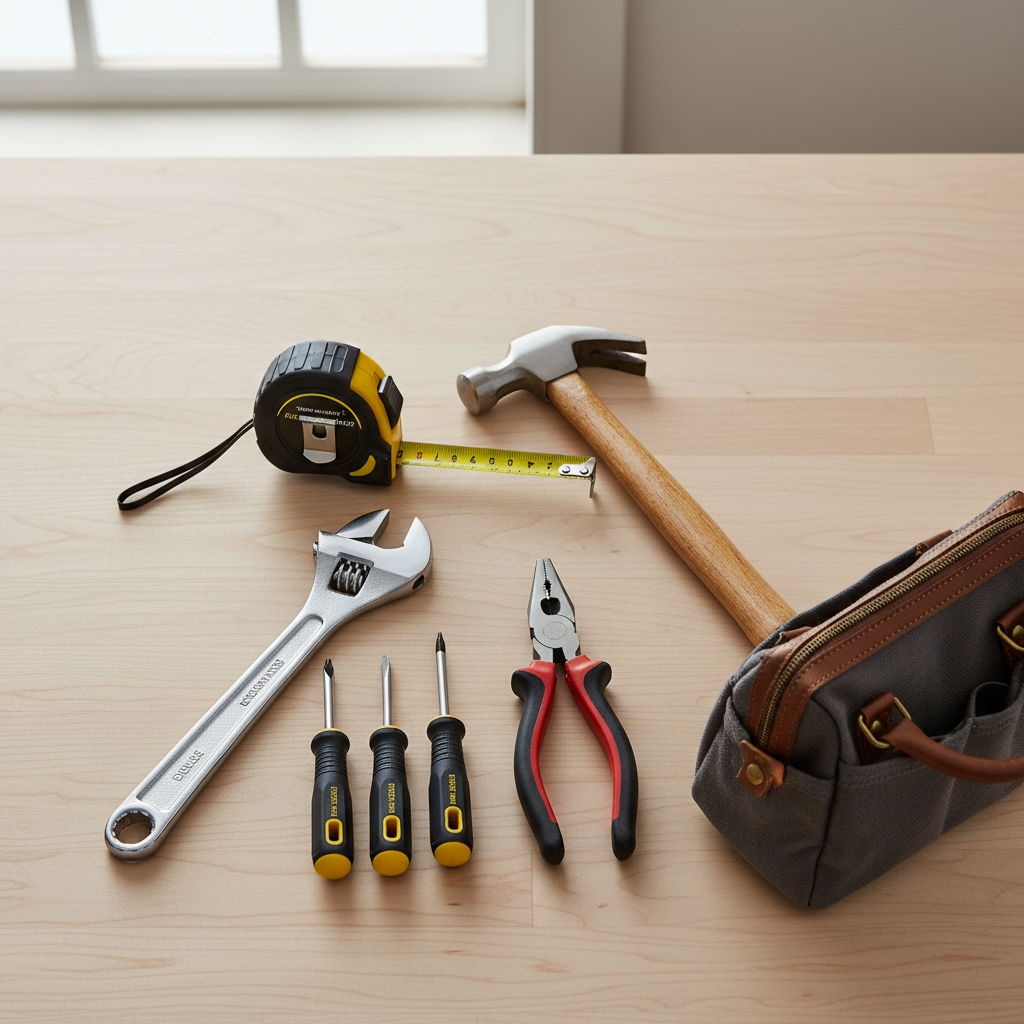
The fastest way to make a smart choice is to list 5–10 things you’re likely to fix or build in the next six months, think hanging shelves, assembling furniture, tightening a loose doorknob, basic car checks, or small DIY projects.
That list tells you whether you need a compact home kit, a light mechanic set, or a “moving-out first apartment” set. It also keeps you from paying for specialty bits you won’t recognize until year three.
Common beginner scenarios and what they imply
- Apartment/home basics: screwdrivers, tape measure, level, pliers, hammer, utility knife
- Furniture assembly: hex keys, bit driver, small ratchet, extension, magnetic bits
- Light auto/bike maintenance: metric sockets, ratchet, torque awareness, work light
- DIY and repairs: drill/driver (optional), bits, stud finder, safety glasses
Know the “core tools” that cover most beginner jobs
Most beginners do better with a smaller kit that includes solid versions of the tools you’ll touch weekly. A tool set can look complete while still missing basics like an adjustable wrench or a decent tape measure.
If you’re unsure where to start, use this core list as your baseline, then add based on your projects.
Core starter tools (the ones you’ll keep using)
- Claw hammer (general home use)
- Tape measure (16–25 ft is common for home projects)
- Screwdrivers or a bit driver with quality bits (Phillips, flat, Torx)
- Pliers: combination/lineman, plus needle-nose
- Adjustable wrench (8–10 inch is versatile)
- Utility knife with extra blades
- Level (small torpedo level is handy)
- Hex keys (metric and SAE, if you assemble furniture)
- Fasteners (a small organizer of common screws/anchors helps)
Power tools can wait. Many people buy a drill first and then realize they still need hand tools to mark, measure, hold, and tighten without stripping screws.
Quick self-check: what kind of beginner are you?
Before you pick a box set, be honest about how you work. A beginner set for occasional home tasks is different from someone who enjoys weekend projects.
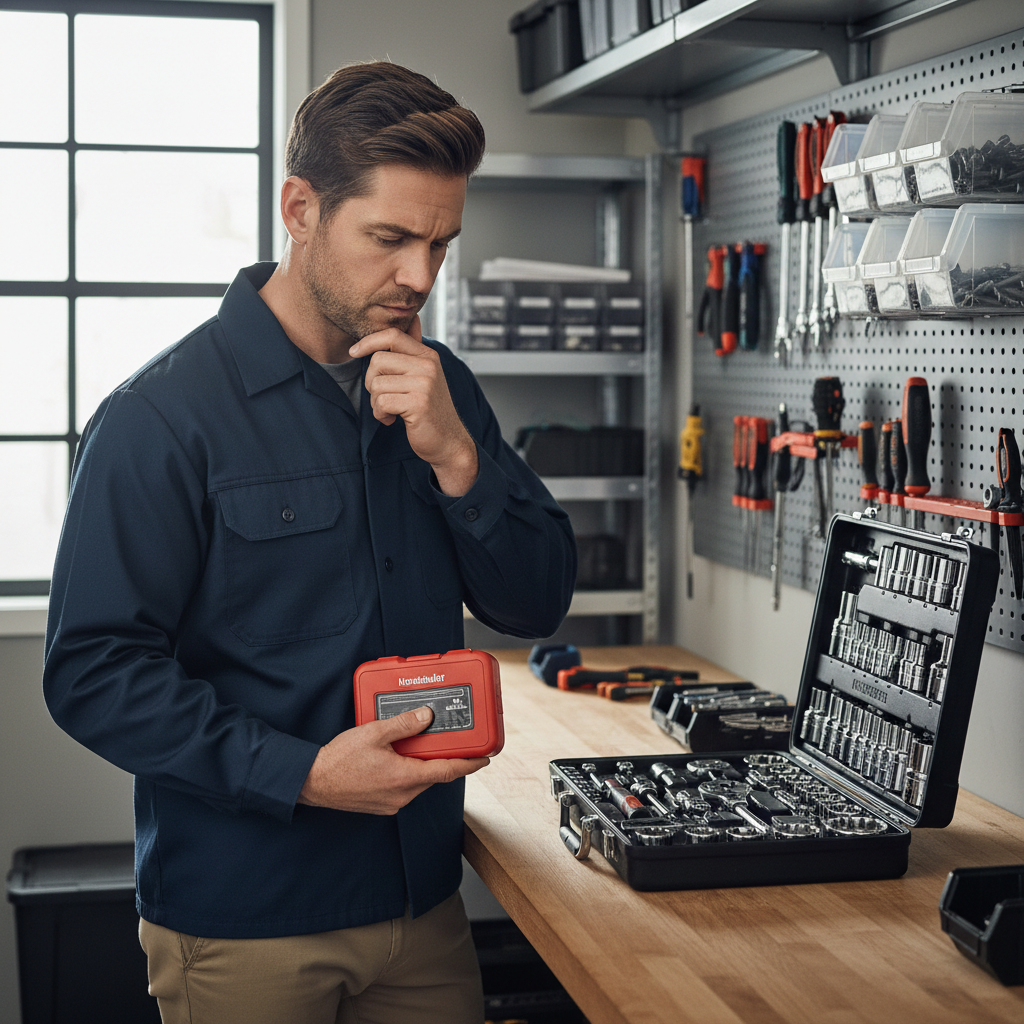
- “I just want to handle basics”: prioritize comfort, compact storage, and the core tools list.
- “I’m building DIY confidence”: add a ratchet + sockets, a better level, clamps, and a bit set.
- “I tinker with car/bike stuff”: buy sockets first, then add pliers/wrenches, skip fluff.
- “I hate clutter”: choose a bag or small case, avoid giant hard cases that don’t fit anywhere.
- “I lose small parts”: pick a kit with labeled slots or a modular organizer.
This self-check matters because how to choose a tool set for beginners is rarely about “best brand,” it’s about picking a kit you’ll actually open.
Use this table to compare beginner tool set types
Here’s a practical way to narrow options without overthinking specs.
| Tool set type | Best for | Usually includes | Common gap to watch |
|---|---|---|---|
| Household starter kit (30–80 pcs) | Home basics, apartment repairs | Hammer, tape, screwdrivers/bits, pliers | Low-quality bits, flimsy tape measure |
| Socket & ratchet set (40–120 pcs) | Light auto, bike, bolts/nuts | Ratchets, sockets, extensions | Missing pliers, missing screwdrivers |
| Mechanic combo kit (100–250 pcs) | DIYers who do a bit of everything | Sockets + bits + some hand tools | Lots of filler, uneven quality across tools |
| Tool bag “essentials” kit | People who value portability | Core tools, often better ergonomics | May lack a ratchet/socket range |
Quality signals that matter (and the gimmicks to ignore)
Beginners often assume every tool is basically the same, until the first stripped screw or rounded bolt. You don’t need premium everything, but a few quality signals save frustration.
What’s worth paying attention to
- Handle comfort and grip: if it hurts in-store, it won’t improve at home.
- Bit quality: soft bits wear fast and damage screws, a small good bit set beats a huge bad one.
- Ratchet feel: smoother action and less back-drag usually means easier work in tight spaces.
- Clear labeling: socket sizes that are easy to read reduce mistakes and lost time.
- Case or bag design: tools should return to their spot without a puzzle.
What to be skeptical about
- Huge piece counts: often inflated by dozens of tiny bits, duplicates, or rarely used items.
- “All-in-one” kits with a cheap drill: sometimes the drill is the weak link and drives the price.
- Too many specialty sockets: nice later, not essential early.
Also, warranty can be helpful, but it’s not the same as quality. According to OSHA, using the right tool in good condition helps reduce workplace injuries, and while your home isn’t a jobsite, the principle still applies when you’re learning and prone to slips.
Step-by-step: how to choose a tool set for beginners in a store or online
When you’re comparing two or three kits, don’t stare at marketing labels, run a quick checklist. This takes five minutes and prevents most regret purchases.
Beginner buying checklist
- Match the kit to your top projects: does it cover your most likely tasks without add-ons?
- Confirm core tools are included: tape measure, pliers, adjustable wrench, driver/bits, hammer.
- Check sizes: if you work on bikes/cars, make sure metric sockets are included, many households still need SAE.
- Look for duplicates that add value: extra Phillips bits can be useful, five random tiny flatheads are not.
- Inspect storage: can you tell if something is missing at a glance?
- Plan one “gap purchase”: pick the one item you’ll add soon, like a better tape or a small level.
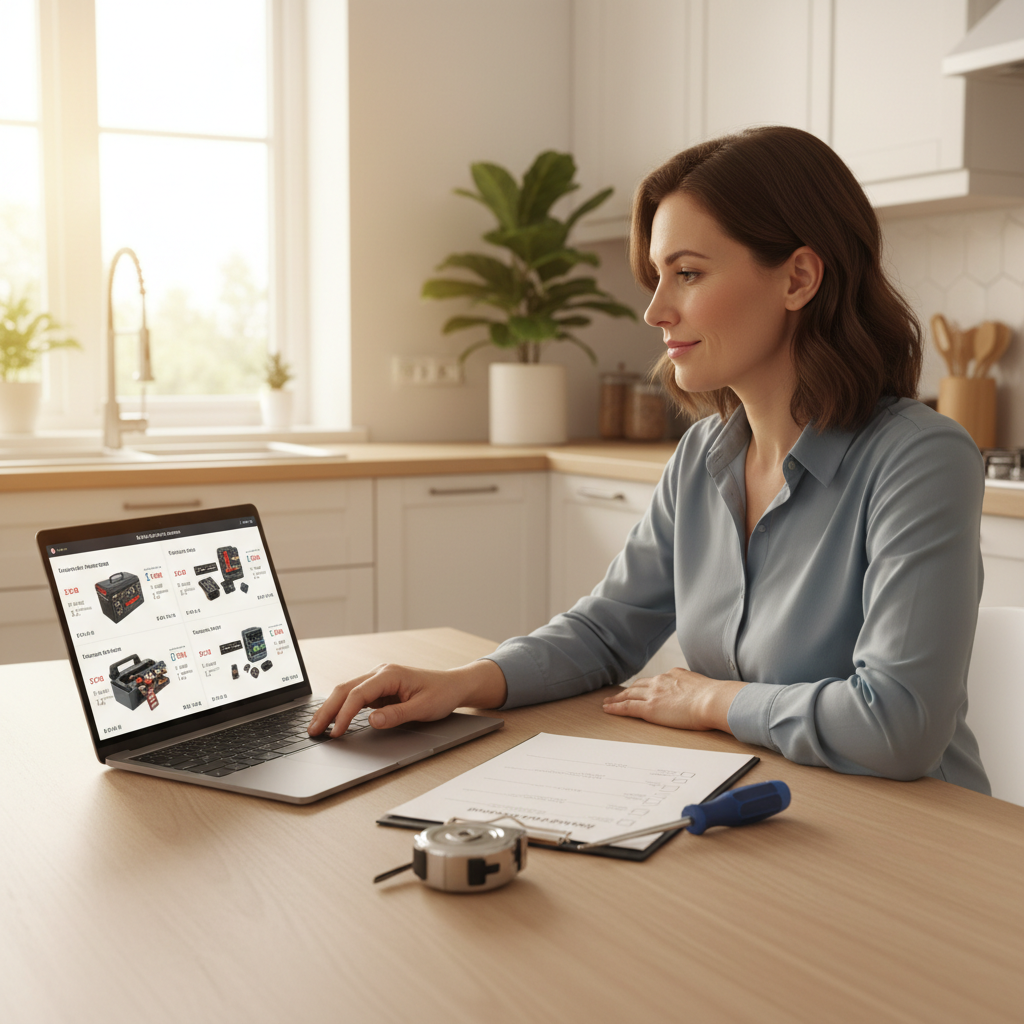
Online reviews can help, but focus on patterns: complaints about stripped screws, broken ratchets, or rust are more meaningful than “arrived late” or “box was dented.”
Practical starter recommendations by budget (without brand wars)
Prices move around, so it’s safer to think in tiers. Many beginners do best buying a modest kit, then upgrading one tool at a time when they feel the pain point.
Low budget: essentials only
- Small household kit with core hand tools
- Add-on: a better bit set if the kit bits feel soft or cam out
Mid budget: “I want fewer frustrations”
- Household kit + a separate ratchet/socket set (metric + SAE if possible)
- Add-on: small torpedo level, set of clamps, safety glasses
Higher budget: “I’m committed to DIY”
- Quality hand-tool kit with comfortable grips
- Dedicated sockets, better pliers, and a drill/driver from a reputable platform
- Add-on: stud finder, work light, and a basic torque wrench for automotive tasks
One more thing, don’t underestimate storage. A tool bag you can carry tends to get used more than a heavy case you dread moving.
Safety and common mistakes beginners make
Tools are straightforward, but injuries usually come from rushing or using the wrong tool. If you’re unsure, slow down and look up the correct technique, or ask someone experienced to show you once.
- Using pliers as a wrench: you can round nuts and slip, risking hand injuries.
- Over-torquing screws: stripped heads happen fast, especially with low-quality bits.
- Skipping eye protection: cutting, drilling, or even hammering can send small debris flying.
- Buying one giant kit and nothing else: you still need consumables like blades, tape, anchors, and spare bits.
According to CPSC, consumer product safety guidance often emphasizes reading instructions and using protective equipment where appropriate; for home projects, safety glasses and basic awareness are usually cheap insurance, and if a task involves electrical work or structural changes, it’s often worth consulting a licensed professional.
Key takeaways and what to do next
If you remember only a few things, remember these: ignore piece count, buy for your next projects, and prioritize the few tools you’ll touch all the time.
- Write your top tasks, then choose a kit that covers them with minimal gaps.
- Start small and upgrade one tool when it starts limiting you.
- Don’t skip safety basics, especially eye protection and a stable work surface.
Pick one kit this week, then plan one “gap” purchase after you use it twice, that’s usually the most realistic way to build a tool set you trust.
FAQ
- What size tool set is best for a beginner?
Many beginners are happiest with a 30–80 piece household kit plus a small add-on later, a huge kit can be harder to maintain and often includes duplicates you won’t use. - Is it better to buy a tool set or individual tools?
A set is convenient for the basics, but buying individual tools makes sense when you already know your needs, or when one item like a ratchet or bit set needs better quality. - Do beginners need both metric and SAE?
In the U.S., you’ll run into both, furniture and bikes often use metric, while some household and older automotive hardware may be SAE, if you’re buying sockets, having both reduces frustration. - What tools are most important for a first apartment?
A tape measure, screwdriver/bit driver, pliers, adjustable wrench, hammer, utility knife, and a small level cover most quick fixes and basic assembly jobs. - Should I buy a kit that includes a drill?
It can be convenient, but bundled drills sometimes trade quality for price, if the drill matters to your projects, it’s often smarter to pick a separate drill/driver you trust. - How do I know if a tool set is low quality?
Frequent mentions of stripped screws, broken ratchets, or rust are red flags, in person, slippery grips, vague sizing marks, and flimsy latches also suggest corner-cutting. - What’s the safest first upgrade after a beginner tool kit?
A quality bit set and safety glasses are common early upgrades, after that, a ratchet/socket set makes sense if you deal with nuts and bolts more than screws.
If you’re trying to choose a tool set quickly, it can help to share your top three projects and storage space, a short list usually points to the right kit faster than another hour of scrolling.