The best wet dry vacuum for garage use is the one that matches your real messes, your space, and how often you actually clean, not just the biggest horsepower number on the box.
Garages are where “normal” vacuums go to die: drywall dust, metal shavings, sawdust, wet slush off tires, spilled coolant, and that fine grit that somehow gets everywhere. A good wet/dry vac saves time, protects your tools, and makes the garage feel usable again.
One quick misconception I keep seeing: “More HP fixes everything.” In real garages, hose diameter, airflow, filtration, and how you move the vacuum matter just as much. This guide breaks it down in plain English and helps you choose fast.
Quick take: what matters most for a garage wet/dry vac
If you want a shortcut before you compare anything, start here. These traits usually decide whether a vacuum feels effortless or annoying.
- Tank size: 12–16 gallons suits many home garages; 6–10 works for light jobs and tight storage; 16+ is nice if you do lots of wet pickup.
- Hose diameter: 2-1/2 inch tends to clog less with shop debris than 1-7/8 inch.
- Filtration: Fine dust needs a better cartridge filter, often with a bag for easier cleanup.
- Noise and mobility: Big wheels and a stable base beat raw power when you’re dragging it around a car.
- Accessories: A floor squeegee, crevice tool, and wide nozzle often matter more than an extra gallon of capacity.
Key point: For most people, the “best” choice is a mid-size unit with a 2-1/2 inch hose, decent filtration, and a simple accessory kit you’ll actually use.
What you’re really cleaning: common garage mess profiles
Picking the best wet dry vacuum for garage cleanup gets easier when you name the mess. Most garages fall into one of these.
Woodworking and DIY dust
Sawdust plus fine sanding dust is a different beast. It floats, it coats shelves, and it sneaks into motors if filtration is weak. You’ll care about sealed filtration and whether bags are available.
Car care and wet messes
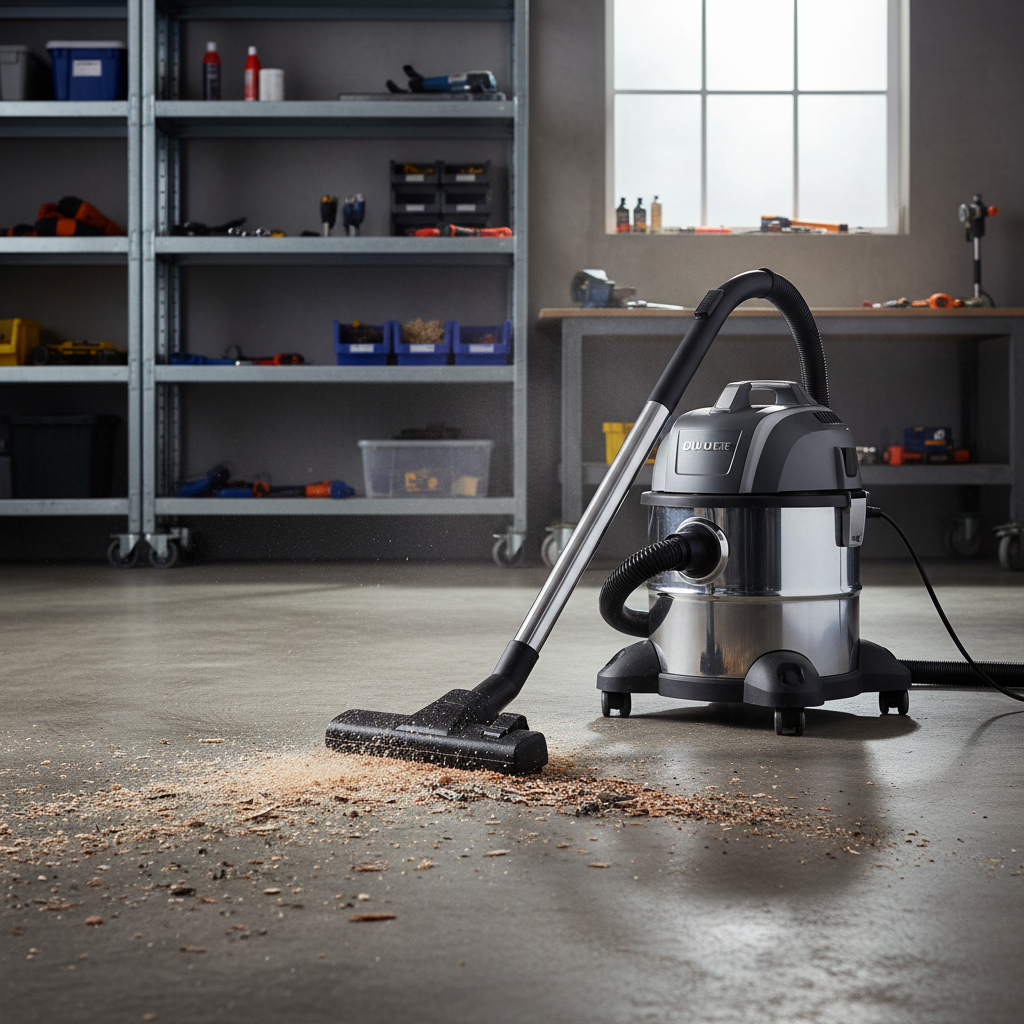
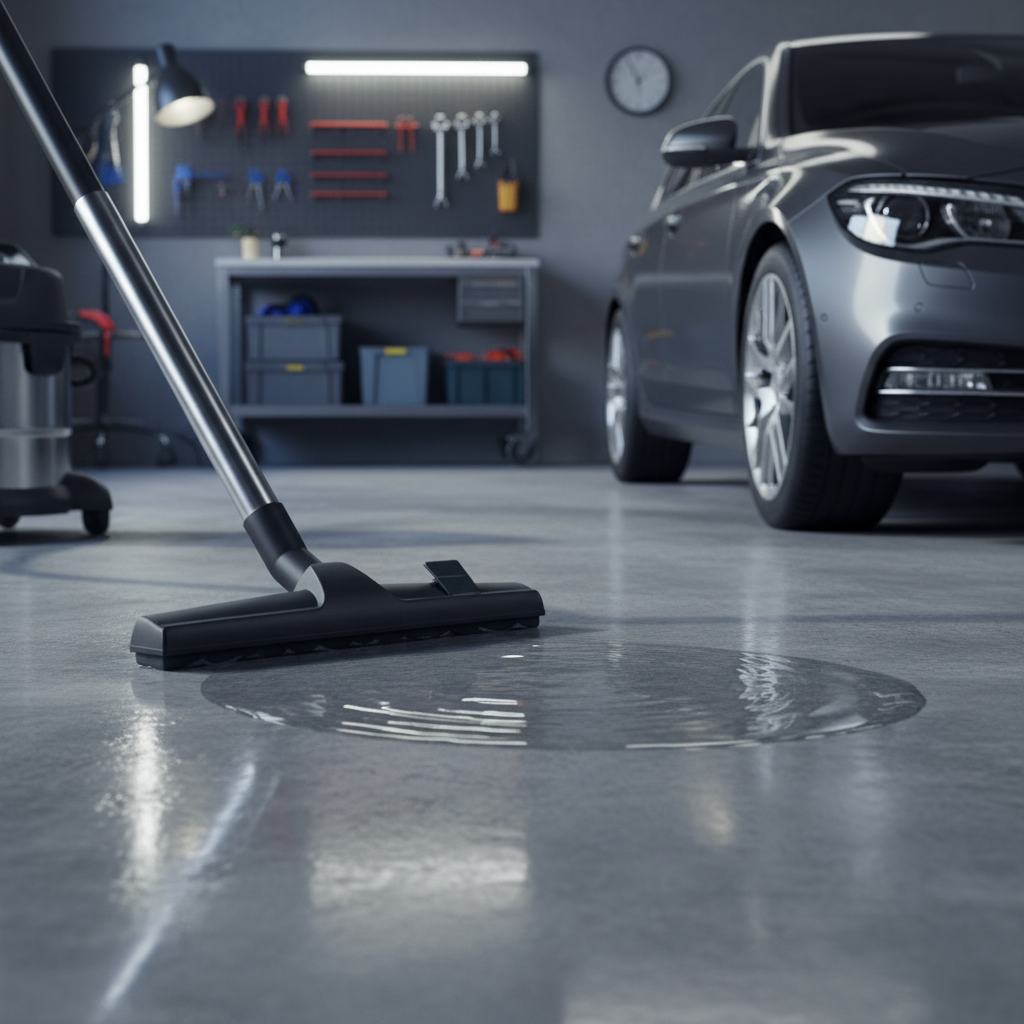
Snowmelt, muddy mats, small spills, and occasional coolant or washer fluid drips call for wet pickup, a squeegee nozzle, and a tank that’s easy to empty without splashing.
“Everything” debris: gravel, leaves, packaging, nails
This is where hose size and airflow matter. If you’re vacuuming chunks, a larger hose plus a wide nozzle keeps you from stopping every minute to clear a clog.
Renovation residue
Drywall dust is extremely fine and can be messy to handle. Many people also forget that some older materials can be hazardous. According to EPA guidance on renovation and dust, controlling and containing dust exposure matters, and for suspected hazardous materials you should consider professional assessment.
Spec checklist: how to compare vacuums without getting tricked
Product pages often emphasize one number. In practice, you want a small set of specs that predict day-to-day performance.
- Airflow (CFM) and sealed suction (water lift): Together they hint at pickup strength. Brands present these differently, so use them mainly to compare within the same brand line.
- Hose length and diameter: A long hose is great, but if it’s narrow it clogs more easily with garage debris.
- Filter type and availability: Standard cartridge vs “fine dust” upgrades; check if replacements are easy to find.
- Bag compatibility: Bags reduce filter clogging and make disposal less gross, especially with fine dust.
- Drain port: Helpful if you do frequent wet pickup with larger tanks.
- Power source: Corded is common; battery models are convenient but often cost more per unit of performance.
- Blower function: Nice for blowing out corners, leaf bits, or drying a wet spot, but it’s not a substitute for a leaf blower.
If you’re deciding between two close options, prioritize hose diameter, filtration, and accessory usefulness over marketing horsepower.
Which size fits your garage? (simple decision table)
Capacity isn’t just about volume, it changes how heavy the unit feels and how often you empty it. Use this as a practical starting point.
| Garage situation | Suggested tank size | Why it tends to work | Tradeoffs |
|---|---|---|---|
| Small garage, light cleanup, mostly dry | 6–10 gal | Easy to store, quick to roll out | More emptying, less “big debris” tolerance |
| Typical 2-car garage, mixed mess | 12–16 gal | Good balance for wet pickup and shop dust | Takes more space, heavier when full |
| Frequent wet pickup, renovation debris, large space | 16–20+ gal | Fewer trips to dump, handles big jobs | Bulky, awkward around cars and benches |
How to choose the best wet dry vacuum for garage use: 4 scenarios
Below are the most common buying scenarios. Pick the one that matches your habits, not your wishful weekend plans.
Scenario A: “I want one vacuum that does most things”
- Go 12–16 gallons with a 2-1/2 inch hose.
- Add a bag for dry debris and keep a standard cartridge filter installed.
- Look for good wheels and a stable base, because you’ll move it constantly.
Scenario B: “I do woodworking, sanding, or drywall work”
- Prioritize fine dust filtration and readily available replacement filters.
- Use bags whenever possible, they usually reduce filter clogging and keep cleanup cleaner.
- Consider a dedicated dust extractor if you’re connecting to sanders all day, a wet/dry vac can work but may feel like the wrong tool for heavy continuous dust collection.
Scenario C: “I mostly vacuum cars and occasional wet mess”
- A compact 6–10 gallon unit can be perfect if it stores easily.
- Look for a crevice tool, soft brush, and a decent hose length so you’re not lifting the tank into the trunk area.
- If wet pickup happens often, a drain port becomes more than a nice-to-have.
Scenario D: “My garage is basically a small shop”
- Go bigger (16+ gallons) if you’ll actually keep it in one area and roll it around.
- Check cord length, accessory storage, and whether the hose kinks easily.
- Buy extra filters and bags up front, you’ll use them.
Real-world setup tips: make your vacuum work better in 15 minutes
A lot of frustration comes from setup, not the vacuum itself. These tweaks usually improve the experience immediately.
- Run bags for dry work: Less dust on the filter means steadier suction across the job.
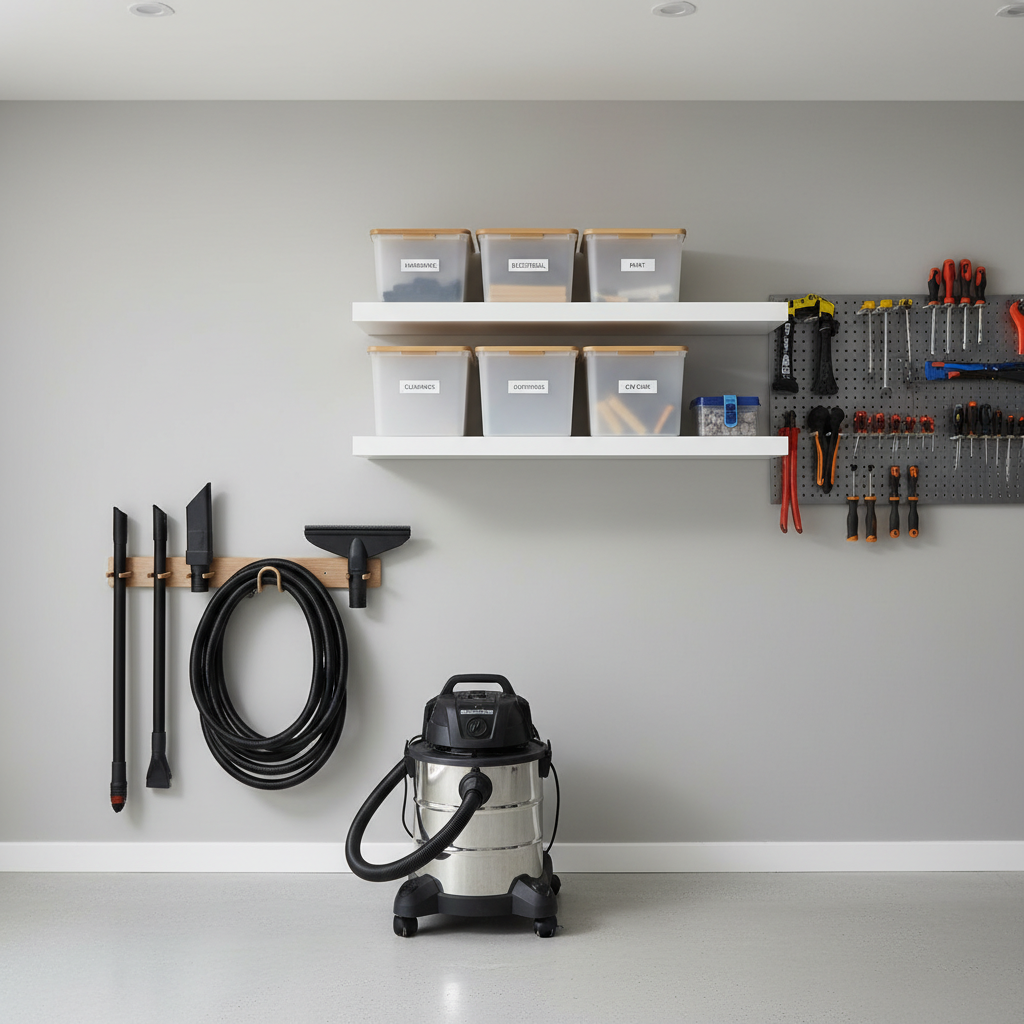
- Match nozzle to the mess: Wide nozzle for open floors, crevice tool for rail tracks and corners, brush for interior plastics.
- Keep a “wet kit” ready: Store the squeegee and the right filter setup so you’re not improvising mid-spill.
- Shorten the hose when possible: Long hose is convenient, but very long runs can feel weaker. Use only what you need.
If you’re chasing the best wet dry vacuum for garage cleanup, this is the unglamorous truth: a mediocre vacuum with the right nozzle and a clean filter often beats a “powerful” one used with the wrong setup.
Safety and maintenance: avoid the common mistakes
Wet/dry vacs are simple machines, but a few habits prevent burning through filters or creating a bigger mess.
- Never pick up hot ash: Even if it looks cold, embers can linger and may cause a fire. Use purpose-built ash vacs where appropriate.
- Switch to the correct filter for wet pickup: Many models require removing paper filters for wet use; check your manual.
- Empty wet tanks promptly: Standing water can smell fast, and residue becomes harder to rinse out later.
- Don’t vacuum unknown powders: If you suspect hazardous dust (lead paint, asbestos-containing materials), it’s safer to stop and consult a qualified professional.
According to OSHA, controlling dust exposure in work areas is an important safety practice; in a home garage that often translates to better containment, appropriate PPE, and avoiding actions that aerosolize fine dust.
Conclusion: the “best” choice is the one you’ll actually use
The best wet dry vacuum for garage work usually isn’t the biggest tank or the flashiest spec sheet, it’s a well-matched size with a clog-resistant hose, usable attachments, and filtration that fits your dust level.
If you want one practical next step, grab a notepad and write down your top two messes, dry dust versus wet pickup, then choose capacity and filtration around that. If you do lots of fine dust, budget for bags and spare filters from day one, it makes ownership easier.
If you’re narrowing options and want a second opinion, list your garage size, the mess types, and whether you plan to connect tools, then compare models against the checklist above instead of horsepower alone.